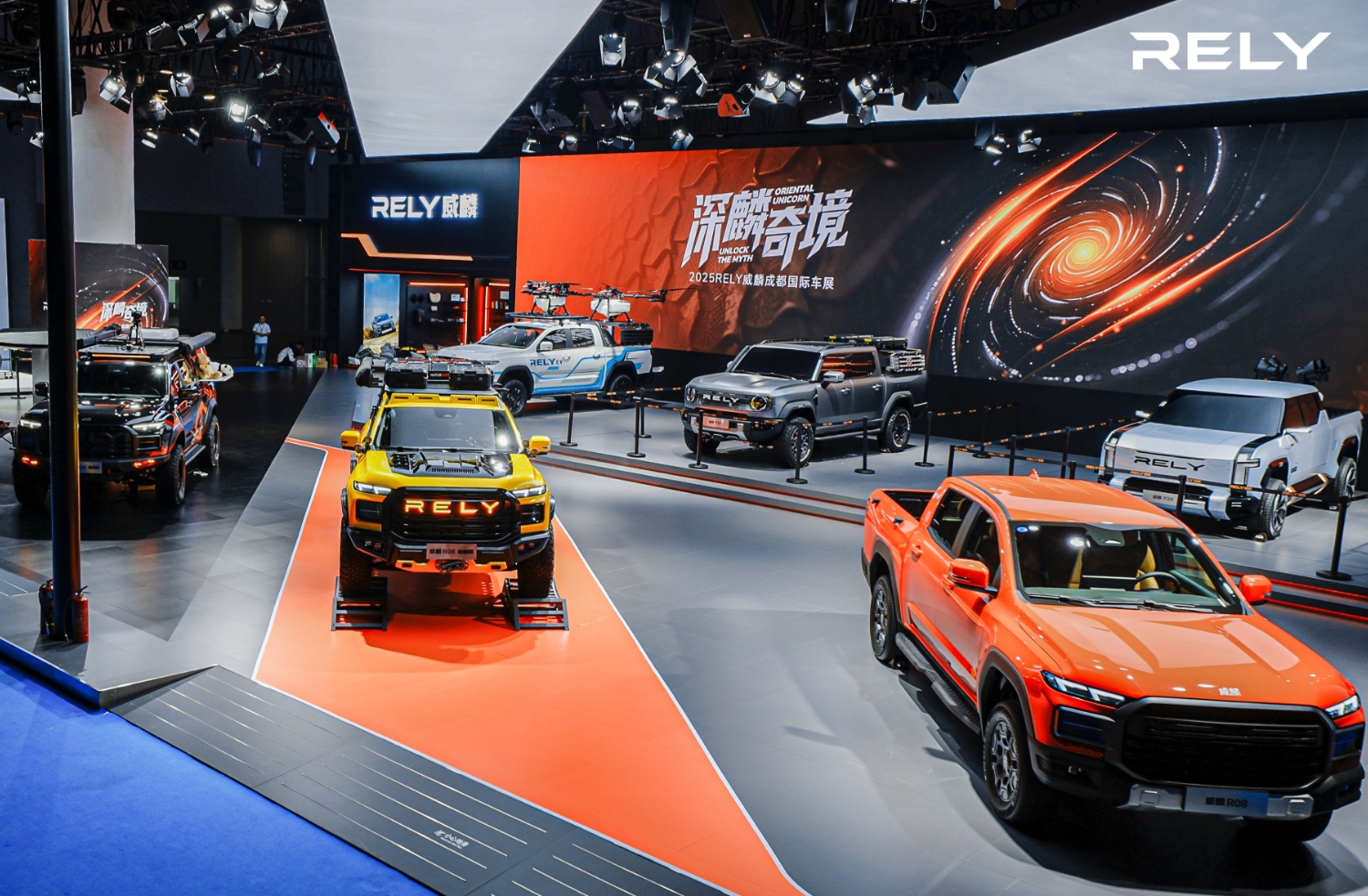
Chery Commercial is assembling the pieces of a serious European business with unusual speed. A Liverpool headquarters, a DELIVAN electric van range slated for 2027, a new energy-charging ecosystem unveiled at IAA Transportation 2026, a second battery joint venture with CATL, and even a £300 Yamaha-clone moped that hints at range-extender ambitions beyond four wheels. It is a coherent, well-funded commercial-vehicle strategy — and it is aimed almost entirely at the least interesting corner of the market.
The appointment of the former GWM Cannon chief to head the Chery Stockman team ought to change that. The question is whether Chery Commercial will let him.
The Cannon Pedigree
The Cannon is not a footnote in the pickup world. Under his stewardship, GWM turned a regional Chinese ute into a genuine global challenger, one that now competes credibly against the Toyota Hilux and Ford Ranger in Australia, South Africa and Southeast Asia. That is a rare and specific skill: knowing how to build a ladder-frame vehicle that fleets will tolerate, private buyers will desire and aftermarket specialists will embrace.
It is not the skill required to develop another mid-size electric panel van with a 3.5-tonne towing rating and a fleet telematics package. Chery Commercial already has the van. It has the DELIVAN. It has the Liverpool base, the charging infrastructure and the battery supply chain. What it does not yet have is a vehicle with a soul.
The Temptation to Play It Safe
The temptation, of course, is to play it safe. The European LCV market rewards compliance and punishes ambition, and the DELIVAN programme is a sensible way to establish volume, homologation experience and dealer confidence. But sensible is precisely what the commercial-vehicle division does not need from its Stockman team.
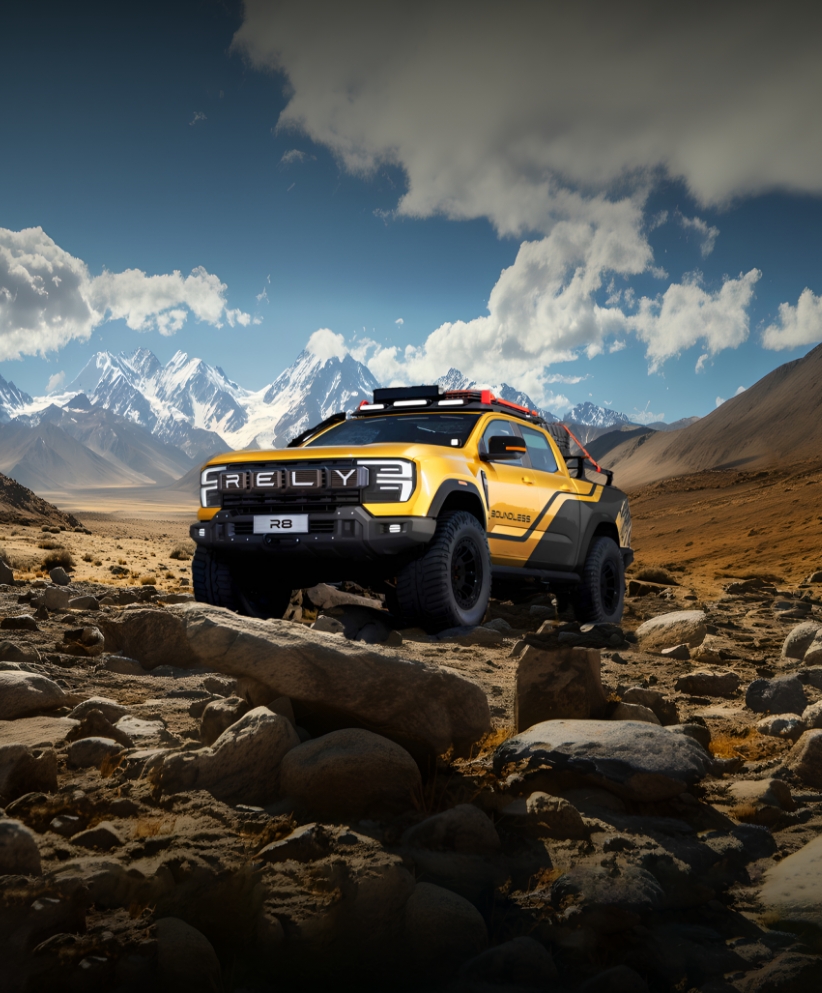
The global pickup segment is undergoing its most significant transformation in decades, as electrification reshapes the Ranger and Hilux bloodlines and opens space for new entrants with genuine offroad credibility. A brand-new Chinese marque with a Liverpool postcode and a Cannon-bred engineering chief is precisely the kind of proposition that could seize that space — if it arrives with a properly engineered, body-on-frame, genuinely capable 4x4 rather than a softened lifestyle crossover with a tray.
The Capability Is Already There
The signals from Chery's wider group suggest the capability exists. The CATL joint ventures point to battery depth that could support a credible electrified 4x4. The range-extender moped filings demonstrate a willingness to think laterally about powertrains rather than defaulting to pure BEV. The IAA Transportation showing and the Nottingham College partnership reveal a company investing in European engineering talent and after-sales substance, not merely badge-engineering.
And the Stockman name itself — utilitarian, workmanlike, faintly rugged — is a far better fit for a load-lugging, trail-capable pickup than for another indistinguishable electric van.
Build the Pickup, Not Another Van
There is a version of this story in which Chery Commercial builds the DELIVAN, secures its fleet foothold, and then quietly asks its Cannon chief to apply his talents to a van-derived lifestyle utility. That would be a waste. The man who made the GWM Cannon a credible alternative to the establishment did so by understanding that pickups are bought with the heart as much as the spreadsheet, and that offroad authenticity cannot be retrofitted by marketing.
Give him a ladder frame, a locking rear differential, a range-extender or plug-in hybrid powertrain drawing on the CATL relationship, and a European launch price that undercuts the Ranger — and Chery Commercial has a genuine franchise on its hands.
The commercial-vehicle market will always reward another van. It rarely rewards another icon. Chery Commercial has spent the past two years building the infrastructure, the supply chain and the European footprint to do something more interesting than that. The appointment of the ex-Cannon chief is the clearest signal yet that someone inside the organisation understands the difference. The worst outcome would be to bury that instinct beneath a DELIVAN-derived platform and a fleet discount sheet. Build the offroad pickup. The vans can wait.