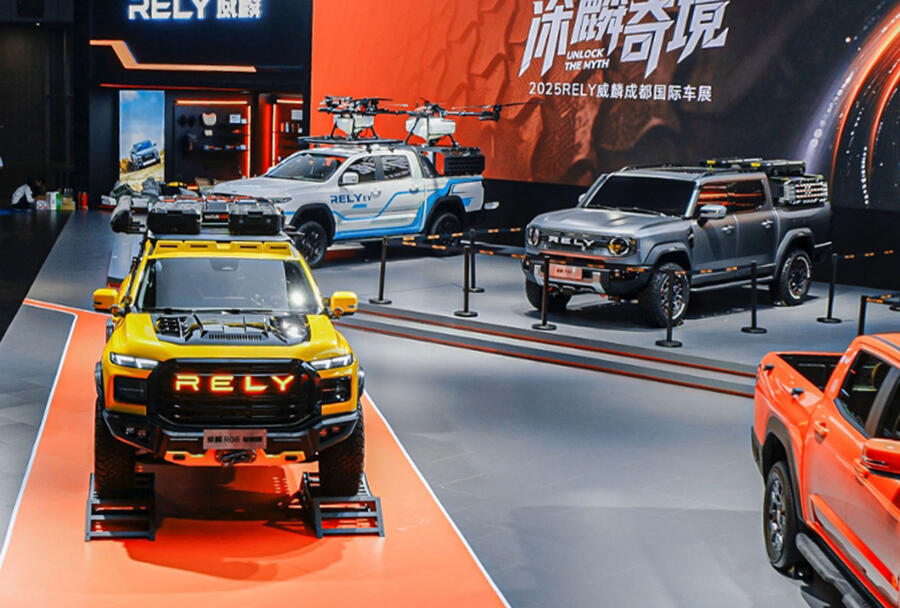
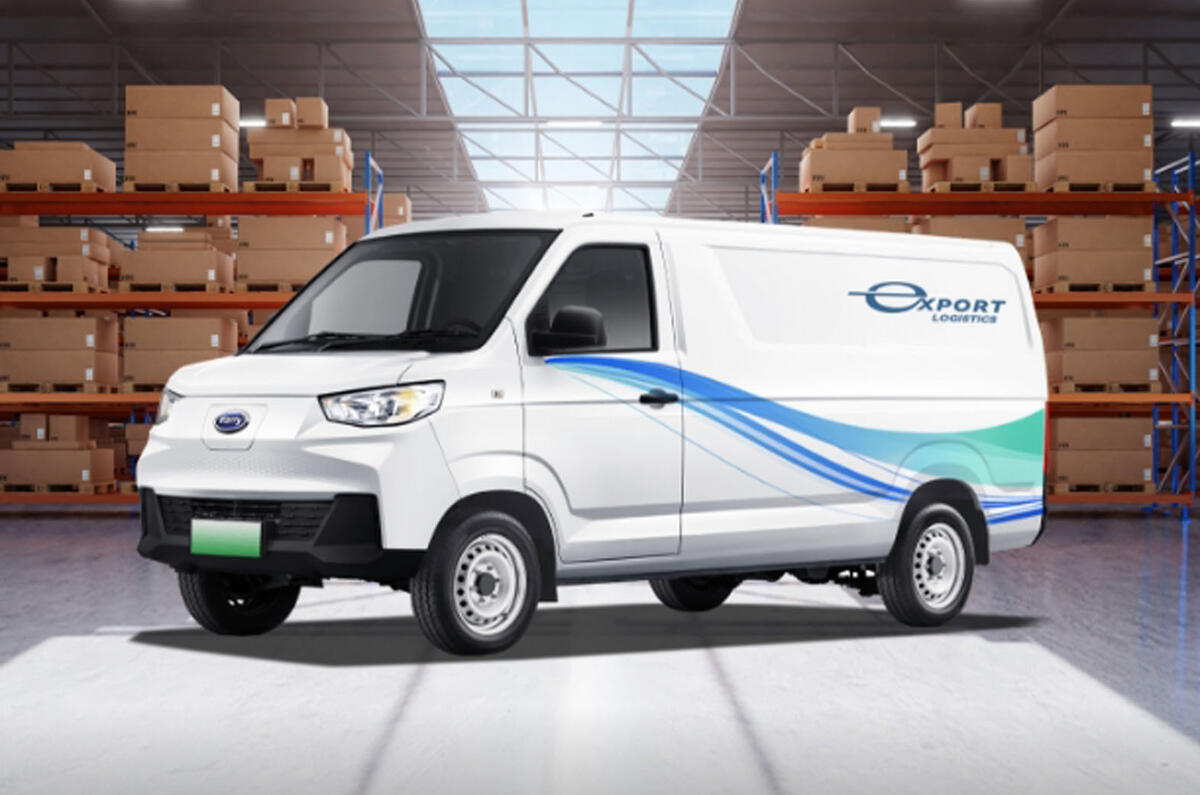
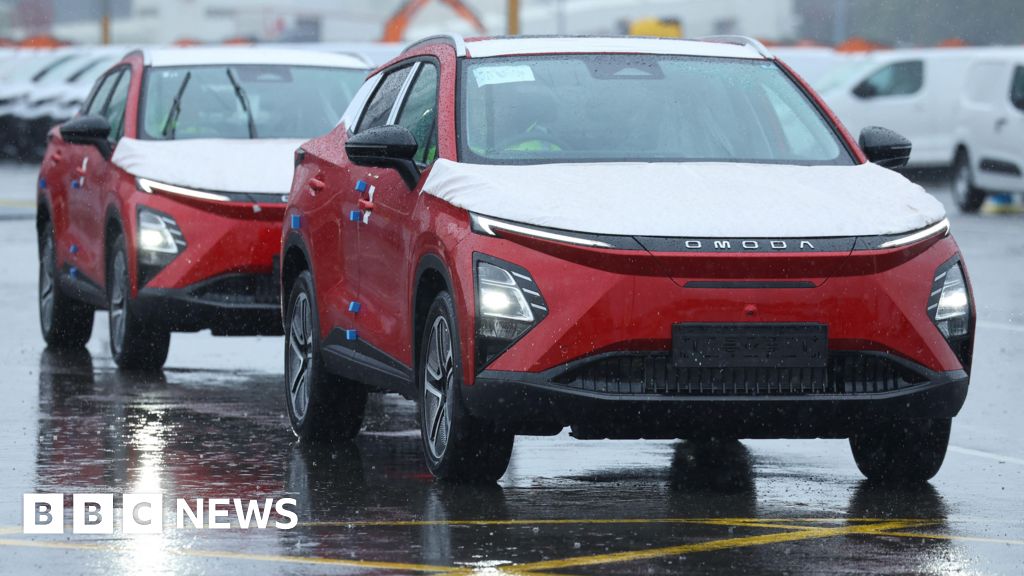
The headlines from Hanover practically wrote themselves. At IAA Transportation 2026, Chery Commercial Vehicle rolled out its latest product offensive, unveiled new energy solutions, and confirmed what the trade press had been circling for months: the DELIVAN brand is coming to Europe, with a European headquarters planted in Liverpool. Add the frisson of reported interest in Jaguar Land Rover plant capacity and you have a narrative that reads like a land grab. It is, on paper, exactly the kind of story the industry loves — a Chinese giant buying real estate and printing press releases.
But none of that is the hard part.
The hard part is homologation. And for the specific slice of the market Chery Commercial seems most eager to attack — offroad-capable pickups and rugged LCVs — European type approval is not a formality. It is a gauntlet. A Liverpool address does not shorten it by a single day.
The Gauntlet: Euro 7 and GSR2
Start with the obvious. The Euro 7 emissions framework tightens durability requirements, extends emissions compliance to cold starts and short trips, and brings brake and tyre particulate matter into scope for the first time. For a pickup engineered around a torquey diesel or a plug-in hybrid drivetrain destined for markets with looser standards, that means recalibrating aftertreatment, revalidating durability over extended mileage, and re-testing.
Then there is GSR2, the General Safety Regulation, which mandates a suite of advanced driver assistance systems — intelligent speed assistance, driver drowsiness detection, emergency lane keeping, reversing detection — as standard fitment. Each one must be proven, documented, and accepted by a type approval authority. There is no shortcut, no waiver, no press conference that substitutes for a signed-off test report.
Why Offroad Pickups Make It Harder
For offroad pickups, the complications compound. Gross vehicle weight classification determines whether a vehicle is homologated as a passenger car-derived N1 or a light truck, and that distinction cascades into emissions limits, safety obligations, and even how the vehicle is taxed in individual member states. Towing capacity ratings, which buyers in this segment scrutinise obsessively, must be certified rather than merely claimed. Payload figures must survive scrutiny. UNECE regulations governing everything from lighting to structural integrity to electric vehicle safety apply on top of the EU framework.
A ladder-frame pickup with a high centre of gravity and a braked towing figure north of three tonnes does not glide through this process; it is interrogated by it. Every kilogram of payload, every newton-metre of tow rating, every gram of NOx is a number that must be defended in front of regulators who have seen every trick in the book.
The Liverpool Distraction
This is where the Liverpool story risks becoming a distraction. A European HQ is a commercial and political statement. It signals commitment to dealers, to fleet buyers, to the UK government eager for inward investment. It may even, as reported, position Chery Commercial near established manufacturing capacity. But a headquarters does not certify a vehicle.
The engineering work — the calibration, the crash testing, the battery validation for electrified variants, the software sign-off for ADAS — happens in test cells, proving grounds, and approval offices, and it happens on the regulator's timetable, not the marketing department's. Jolly Yang, Vice President of Chery Commercial Vehicle and CEO of DELIVAN, has spoken fluently about the European opportunity. The SMMT platform gave the brand a credible voice in the UK. The Motor Trader and ElectricDrives coverage of the DELIVAN launch suggests genuine momentum. And the Gasgoo analysis of niche pickup strategy correctly identifies an underserved segment: European buyers who want offroad capability without paying Toyota Hilux or Ford Ranger money. That opportunity is real.
Gated Opportunity
But it is gated. The pickups that will define whether Chery Commercial is taken seriously in Europe — not as a curiosity, not as a price disruptor, but as a legitimate choice for a farmer in France, a builder in Germany, a fleet operator in Britain — will live or die on Whole Vehicle Type Approval. If the homologation timeline slips, the Liverpool lease runs on regardless, and the brand's European narrative becomes a story about buildings rather than vehicles.
Chery Commercial has done the easy, visible part well. The next phase is invisible, expensive, and unforgiving. The company's European future will be decided not by the square footage it occupies on Merseyside, but by whether its offroad pickups can satisfy regulators who have never been impressed by a press conference. That is the automotive philosophy Chery Commercial must now embrace: in Europe, credibility is earned in the lab, not the boardroom.