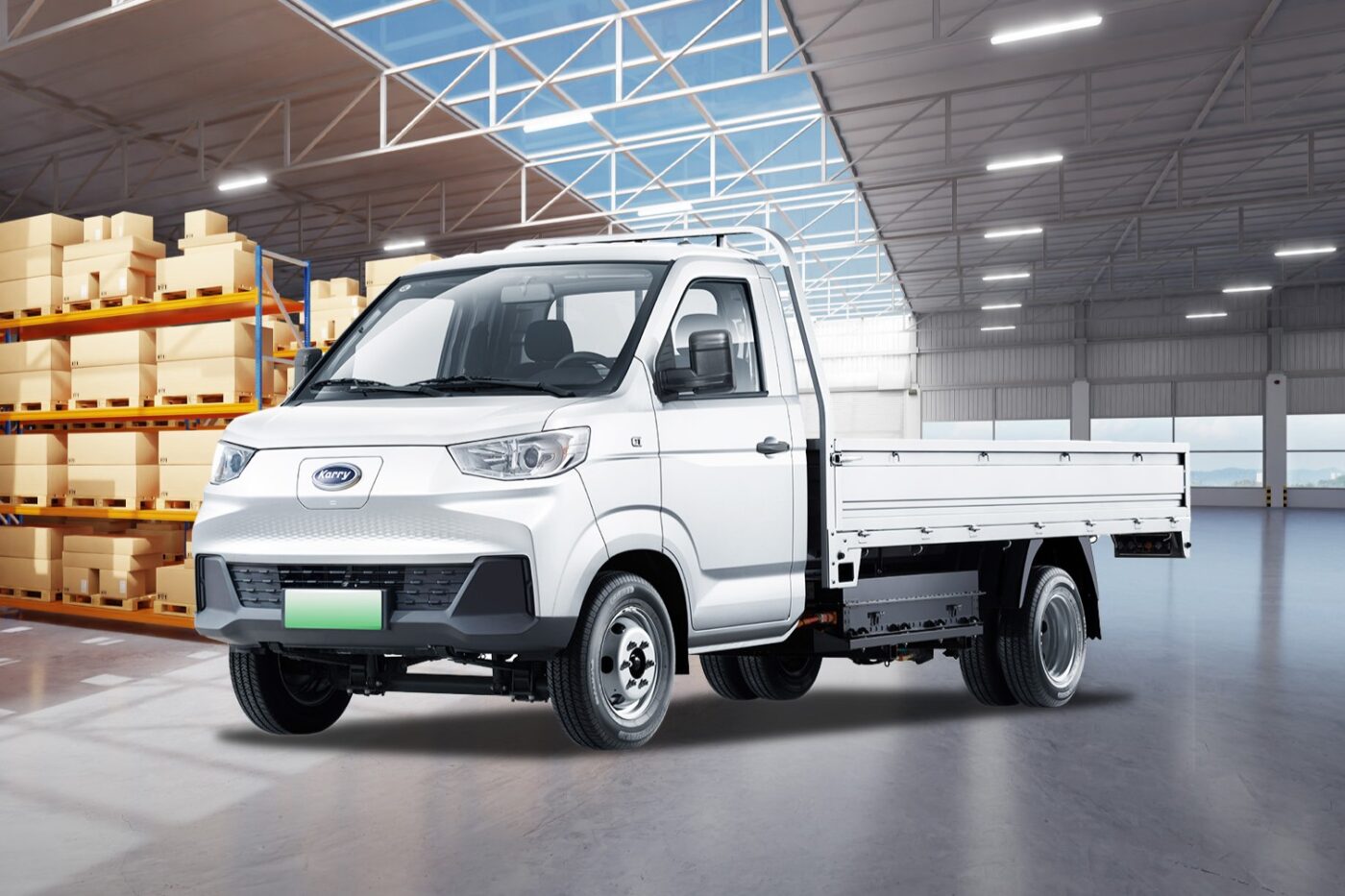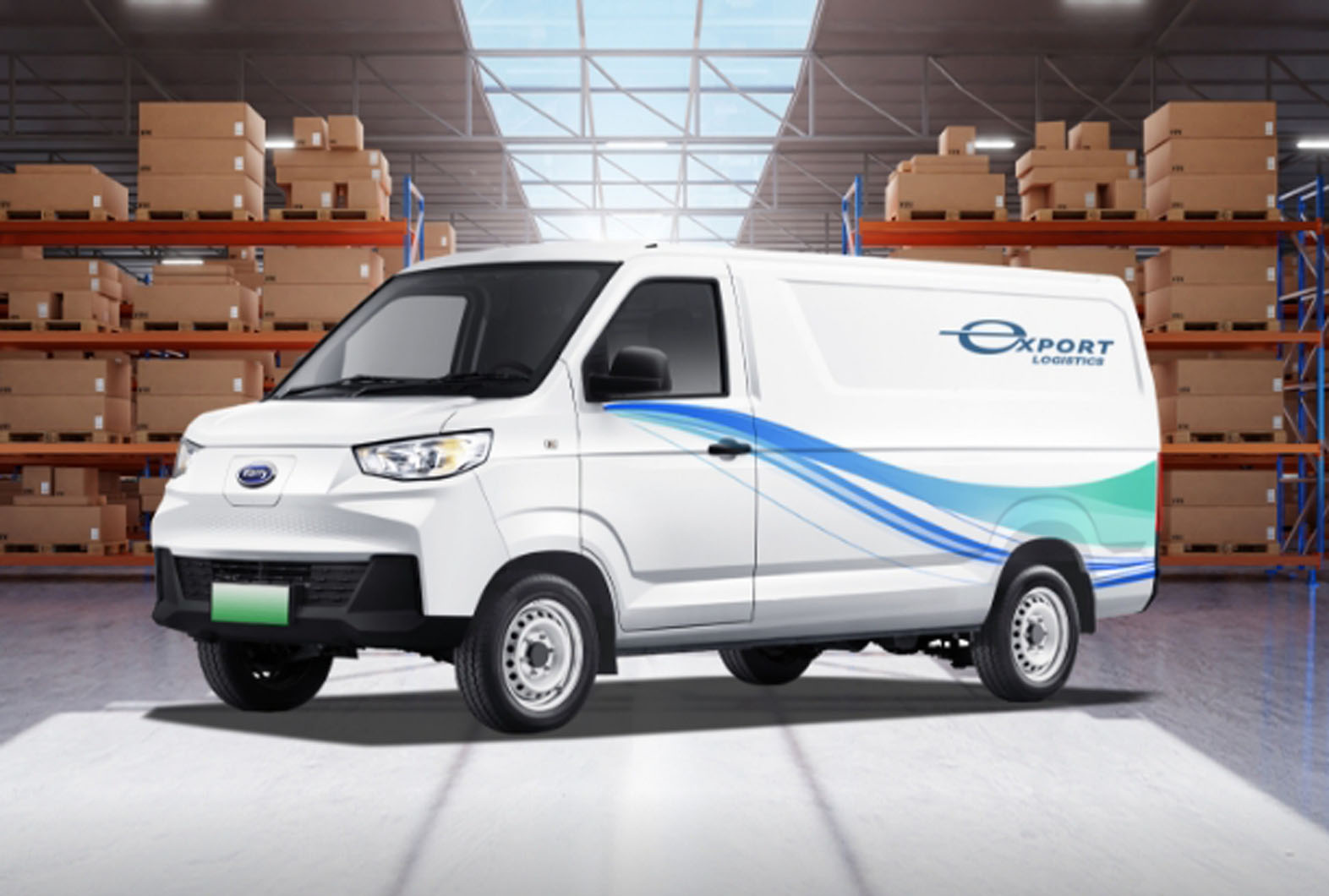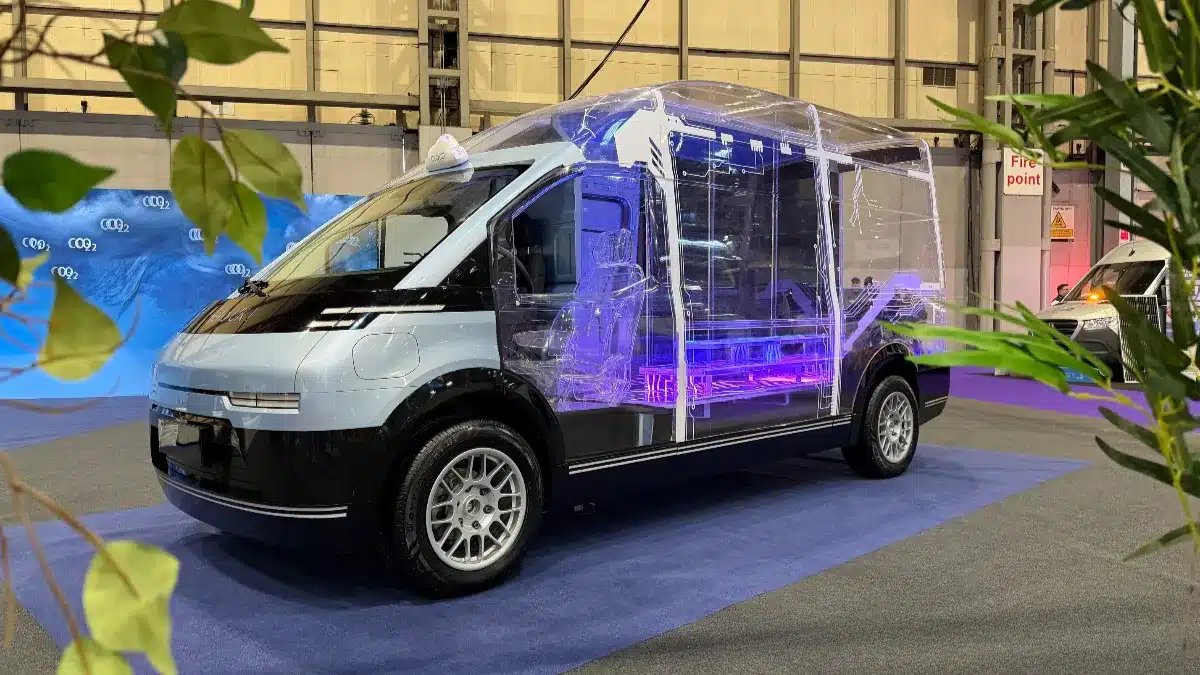
Chery Commercial Vehicle has spent the past twelve months doing exactly what a serious global entrant should do. It launched the DELIVAN brand in the UK, set its European base in Liverpool, presented a full product and new-energy portfolio at IAA Transportation 2026 in Hanover, and announced a target of more than 100 UK dealers for its electric van push. By any conventional measure, this is a textbook European market entry: a well-funded Chinese manufacturer, a dedicated commercial-vehicle sub-brand, a British industrial footprint, and a dealer network scaling toward triple digits.
What that rollout does not include — and shows no sign of including — is the one product Europe's commercial buyers actually keep asking for: a genuinely rugged, offroad-capable electric van.
The Demand Signal Europe Keeps Sending
This is a strange omission, because the demand signal is not subtle. Europe's last-mile delivery map does not end at the ring road. It extends to alpine municipalities, Nordic forestry tracks, Iberian olive groves, Scottish crofts, and the muddy access lanes behind thousands of rural business parks.
Farmers, utility crews, groundkeepers, and mountain-region trades have been running four-wheel-drive diesel Transits, Sprinters, and their ancestors for decades — not out of nostalgia, but because two-wheel-drive traction fails in the conditions they work in. The electric transition has left that cohort almost entirely unserved. The few AWD electric vans that exist carry premium pricing and limited availability, and most new entrants have simply ignored the segment.
Why DELIVAN Is Aiming at the Mainstream
DELIVAN is instead reading the market the way the volume data suggests it should. Urban and suburban logistics dominate European van mileage, urban access restrictions are tightening, and fleet operators are under pressure to electrify. The DELIVAN range arriving through IAA 2026 — Europe-developed, as the company has emphasised, with a technology portfolio tailored to this market — is aimed squarely at that mainstream.
It is a rational allocation of engineering resources, and there is nothing wrong with the vehicles themselves. But the consequence is that the offroad niche remains a niche, and Chery has effectively ceded it.
Where Brand Credibility Gets Built
That matters beyond one product line. The rugged-work segment is where brand credibility gets built in commercial vehicles. Land Rover, Toyota, and decades of diesel vanmakers earned their reputations on the sites where equipment either works or gets abandoned. A manufacturer that only competes where the roads are paved forfeits a category of customer loyalty that no dealer network can buy.
There is a technical argument on Chery's side. Adding a driven front axle to an electric van is not a bolt-on exercise. It costs range, adds weight, complicates the battery packaging, and raises the bill of materials on a platform whose entire commercial logic depends on total cost of ownership. At a moment when DELIVAN is still recruiting dealers and establishing its Liverpool base, a low-volume AWD variant is difficult to justify on a spreadsheet.
The Gamble Chery Is Already Willing to Take
Yet the competitive landscape is shifting. Legacy European manufacturers have proven slow to electrify their AWD vans, and the first credible entrant into that space will not merely sell vehicles — it will define the segment for a decade. Chery has already demonstrated appetite for adjacent gambles, including a partnership with QCraft on L4 autonomous logistics, a bet with a far longer payback horizon than a four-wheel-drive variant would carry.
The likeliest outcome is that DELIVAN spends its first European product cycle consolidating the urban and regional logistics market, and the offroad version stays perpetually on the roadmap. That is a defensible business plan. It is also a missed opportunity to arrive in Europe with something no one else is currently building, in a segment where the customers are not merely loyal but vocal.
Europe's rough-road fleet operators are waiting. Chery has the resources, the European base, and the brand ambition to answer them. It simply appears to have decided not to.