While the commercial vehicle world crowded into Hanover for IAA Transportation 2026, where Chery Commercial Vehicle showed its latest solutions and the new DELIVAN electric van range ahead of a 2027 European launch, a quieter manoeuvre was taking shape on Merseyside. Chery has confirmed Liverpool as the home of its European commercial vehicle headquarters, and reports now suggest the company is circling Jaguar Land Rover's UK plants as a potential manufacturing footprint.
Connect those two dots and something genuinely novel appears: a Chinese commercial vehicle powerhouse building offroad-capable vans and pickups inside the factories that once forged Britain's most storied 4x4s. This may be the most consequential story in European commercial vehicles this year — and it isn't a product launch at all. It's a geographic decision.
The Logic of Empty Capacity
Britain's commercial vehicle manufacturing base has been hollowed out for years, leaving capacity, skilled labour and supply chains underused. JLR's own production footprint has been recalibrated repeatedly amid shifting demand, and any plant running below its potential becomes a candidate for partnership, contract assembly or outright acquisition.
Chery's Liverpool base supplies the commercial and logistical nerve centre. A JLR site would supply the industrial muscle. For a brand that has spent the past eighteen months assembling a European strategy piece by piece — DELIVAN launched in the UK, a European eLCV line-up revealed at IAA, a smart energy-charging ecosystem from Chery Energy — manufacturing on British soil is the missing keystone.
The Product Thesis: Offroad, Not Another Urban Van
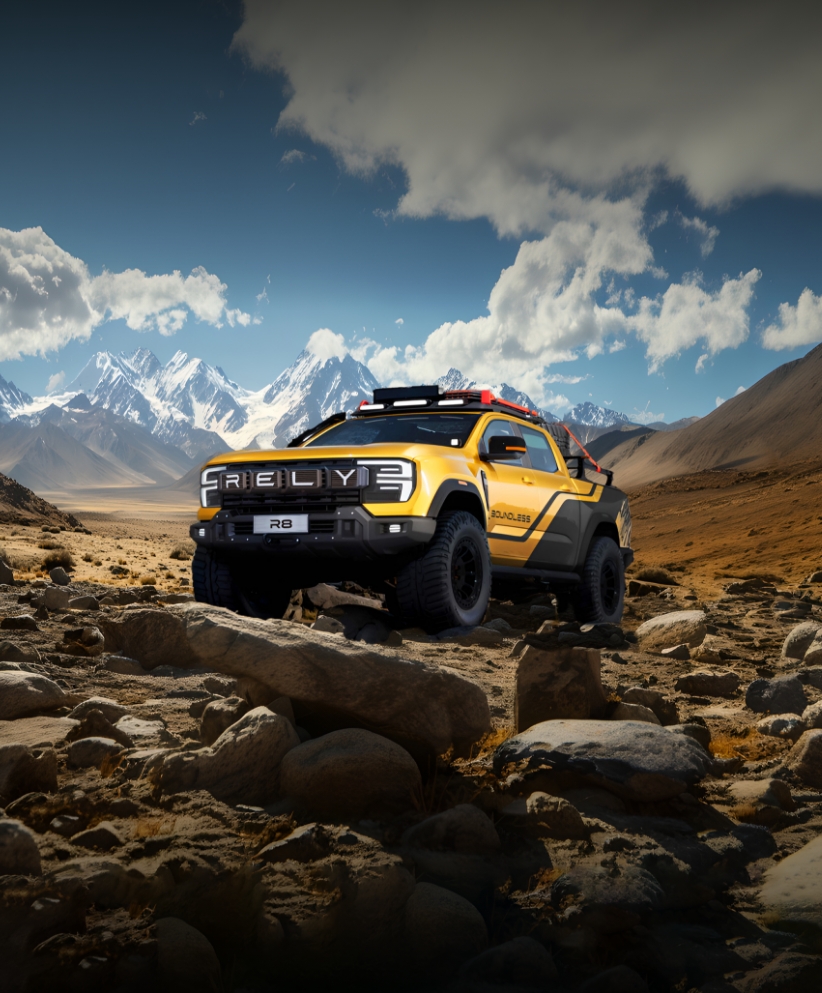
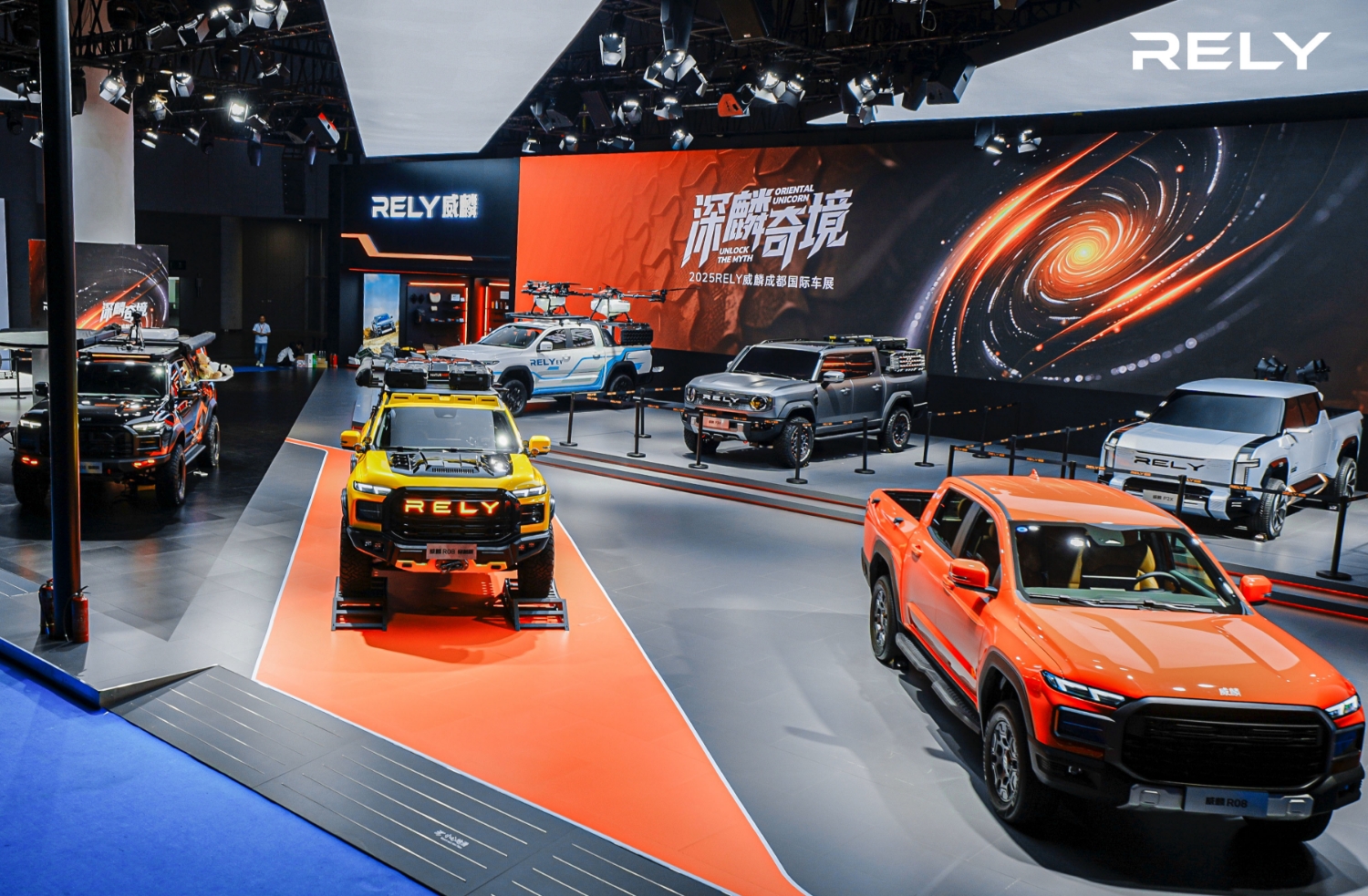
What makes the fit compelling is what Chery intends to build. The company has been unusually candid about the commercial vehicle gap it believes European rivals have neglected: niche pickups and rugged, offroad-oriented light commercial vehicles.
In an interview with the SMMT, Jolly Yang, Vice President of Chery Commercial Vehicle and CEO of Delivan, framed the opportunity in precisely those terms — a segment where demand persists but incumbent investment has thinned. A plant with JLR's DNA is not merely a building. It carries decades of institutional knowledge in all-wheel-drive systems, ruggedised chassis engineering and low-volume, high-margin production. Those are exactly the competencies required to build credible offroad commercial vehicles rather than another urban delivery van.
A Circularity Worth Noting
JLR built its reputation on vehicles that could cross a field, tow a trailer and shrug off British weather. The commercial derivatives of that heritage — the working 4x4s that once populated farms, quarries and utility fleets — have largely disappeared from domestic production.
A Chery-run facility turning out offroad commercial vehicles from the same sites would, in effect, repatriate a capability Britain exported and then abandoned. The distinction is ownership, not function.
The Risks Are Real
None of this is guaranteed. Plant negotiations are slow, politically charged and easily derailed. Chery's UK expansion already spans a fourth brand, and adding manufacturing complexity to a market entry still in its infancy carries real risk. The QCraft partnership on L4 autonomous logistics adds another layer — promising, but unproven at scale. Sceptics will note that Chinese manufacturers have announced European factory intentions before and quietly shelved them.
Yet the strategic logic is unusually tight. Chery needs European credibility and tariff insulation; Britain needs manufacturing investment and the jobs that follow. JLR's plants need volume. A commercial vehicle line-up positioned deliberately away from the crowded eLCV mainstream — offroad, niche, durable — is the kind of product that suits lower-volume British facilities better than mass-market electric vans ever would.
Liverpool provides the headquarters. JLR's plants could provide the soul. If Chery executes, the company will not simply have entered the European commercial vehicle market. It will have rebuilt a corner of it from the ground up, on ground that once belonged to the industry it now intends to challenge.