While European headlines chase every new Chinese badge arriving at the boat ramp, one of China's oldest automakers has been assembling its continental strategy the slow, unglamorous way. Changan has spent the better part of a decade building a global footprint through export corridors, distributor networks, and methodical brand-building in markets the European establishment rarely watches. Mexico, Kazakhstan, Panama — these are not prestige battlegrounds. But they have given Changan something more valuable than press coverage: proof. And now, with reports surfacing that Changan is weighing a Spanish manufacturing plant to anchor its European expansion, that accumulated proof is being converted into a strategy that looks less like an invasion and more like a pincer movement.
The choice of Spain is not accidental. Spain has become the de facto staging ground for Chinese automotive ambitions in Europe, offering a combination of idle or underutilised industrial capacity, regional government incentives, and port infrastructure that makes both component import and finished-vehicle distribution efficient. For a company that has publicly stated its ambition to rank among the world's top ten automakers by 2030, a Spanish plant is not a vanity project. It is a tariff mitigation instrument, a logistics hub, and a credibility signal to European buyers who still equate Chinese cars with long supply chains and uncertain aftersales support.
The Sedan Bet
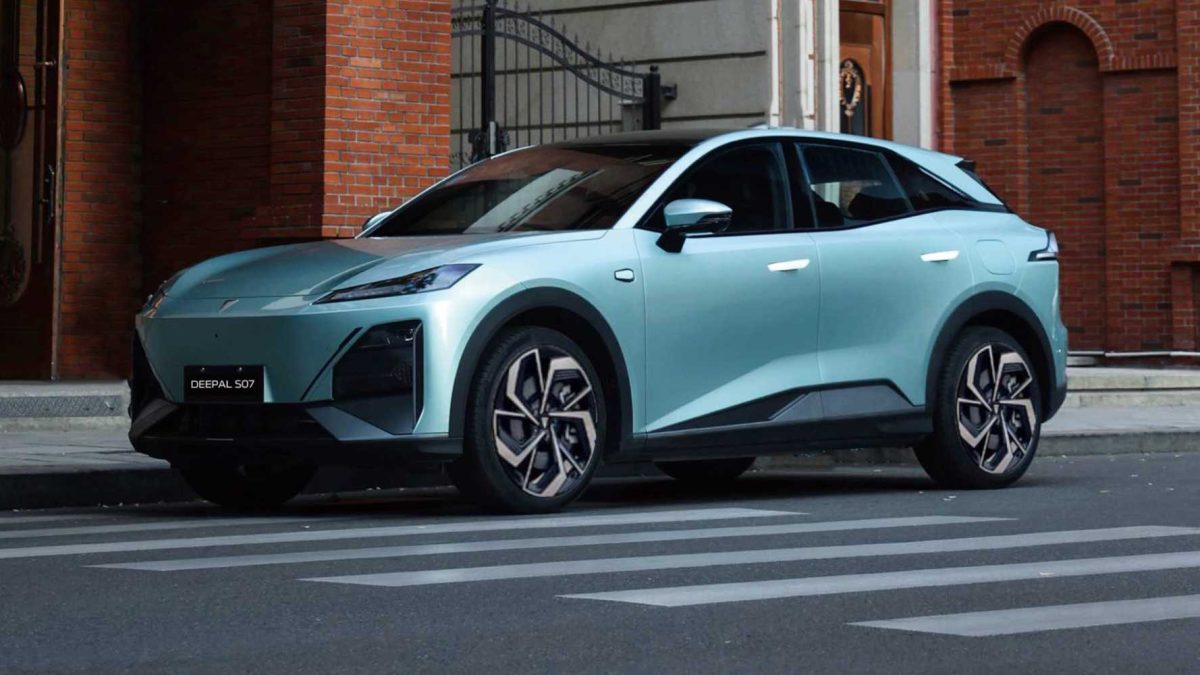
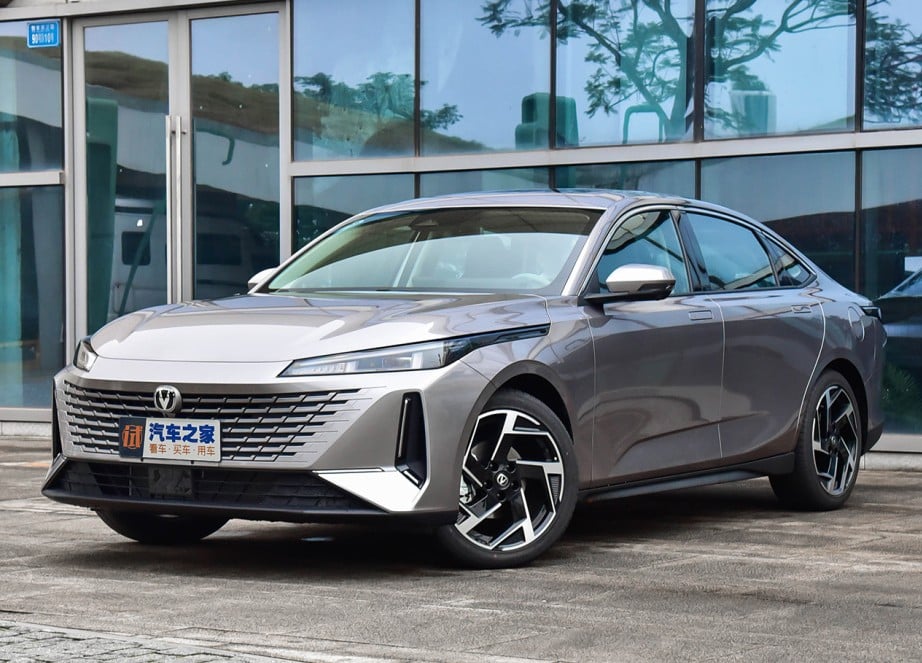
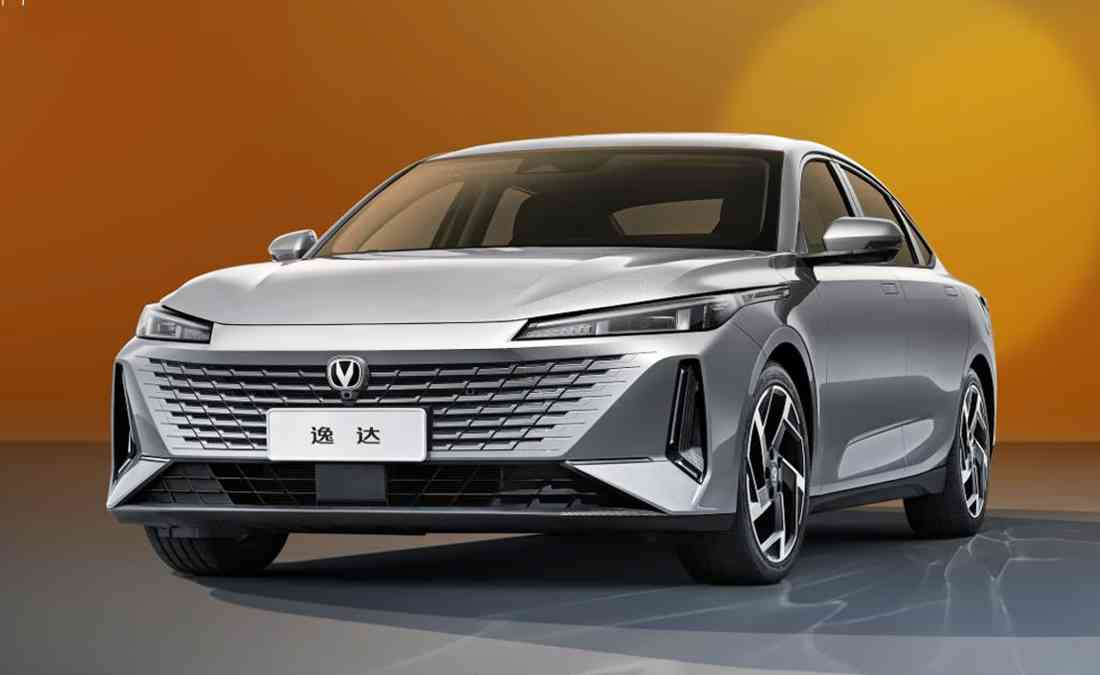
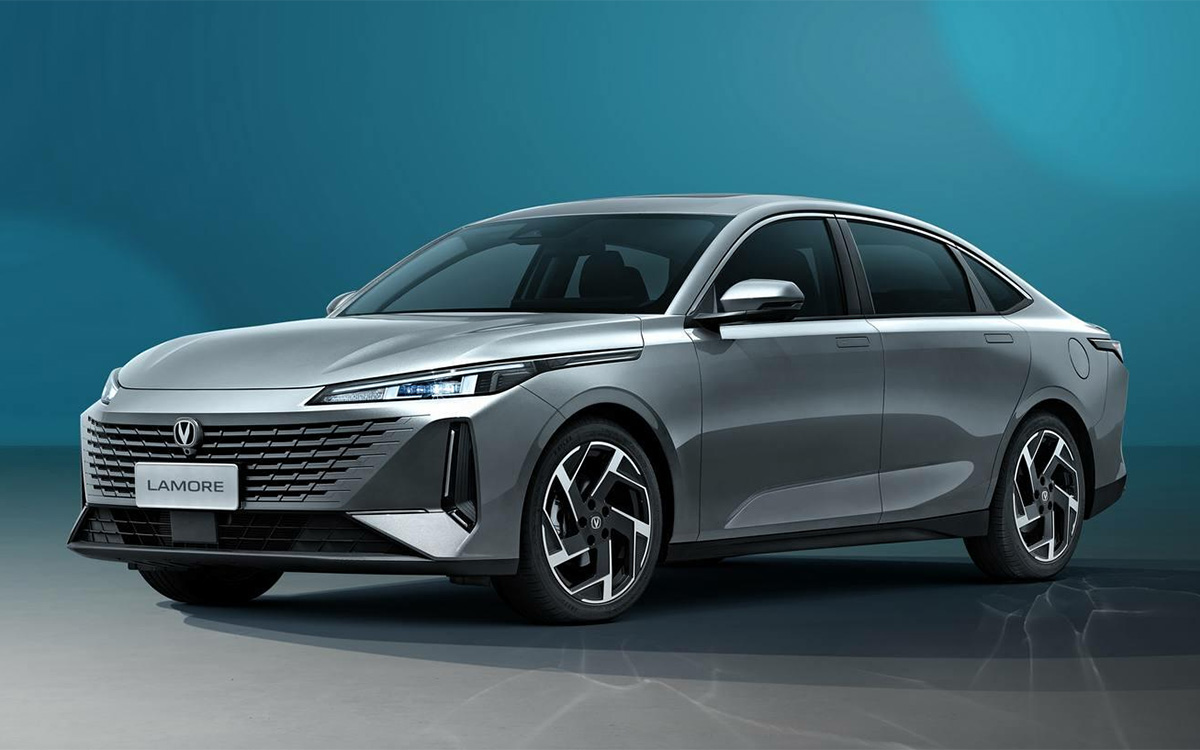
What makes Changan's European approach distinctive is what it intends to build there. While much of the Chinese charge into Europe has been led by SUVs and crossovers — the vehicle classes that travel most easily across regulatory and consumer taste boundaries — Changan's product architecture suggests a more traditional sedan-and-fastback emphasis for its European push. This is a calculated bet. The European sedan market is not dead; it is underserved at the value end, where established players have retreated upmarket and left a gap that a well-engineered, keenly priced four-door can exploit. Changan's domestic lineup, including the Nevo sub-brand, has demonstrated it can deliver distinctive design and competitive technology at aggressive price points.
The scale of Changan's domestic momentum gives it room to be patient abroad. The Nevo Q06 drew 35,000 orders within 24 hours of its China launch, a reminder that Changan's home-market engine is running hot enough to fund overseas expansion without desperate quarterly returns. That same Q06 — a crossover positioned at the intersection of value and technology — has been flagged for global rollout, suggesting Changan intends to use its volume models as beachheads in new markets while the Spain plant matures.
Building the Ecosystem
The supporting infrastructure is being assembled with unusual thoroughness. In the UK, Changan has already selected Ohme as its home charging partner, a small but telling move that signals serious intent to support EV ownership rather than simply dump product. In Mexico, five years of market presence have been reinforced by a three-year partnership with Olympic diver Juan Celaya, a sponsorship play that speaks to brand-building rather than transactional selling.
In Kazakhstan and Panama, Changan's growth rates — +103% and +36.9% respectively in recent monthly data — demonstrate that the export-first strategy is delivering compounding returns. Even the Saudi NEV Institute MOU with Changan Anyi points to a company embedding itself in regional ecosystems rather than merely shipping cars.
The Keystone
This is the quiet part of the invasion: Changan is not arriving in Europe with a single flagship and a press release. It is arriving with a supply chain, a charging partner, a manufacturing footprint under consideration, and a product plan that includes both the SUV-shaped vehicles Europe already accepts and the sedans it has been conditioned to overlook. The Spanish plant, if confirmed, would be the keystone — the point at which Changan stops being an importer and starts being a European manufacturer.
The risk is real. European industrial policy is tightening, labour costs are high, and the brand's recognition in Western Europe remains modest compared to its standing in Latin America and Central Asia. But Changan's trajectory suggests it understands something its rivals sometimes forget: that market entry is a marathon of infrastructure, not a sprint of showroom openings. Spain is not the finish line. It is the foundation.