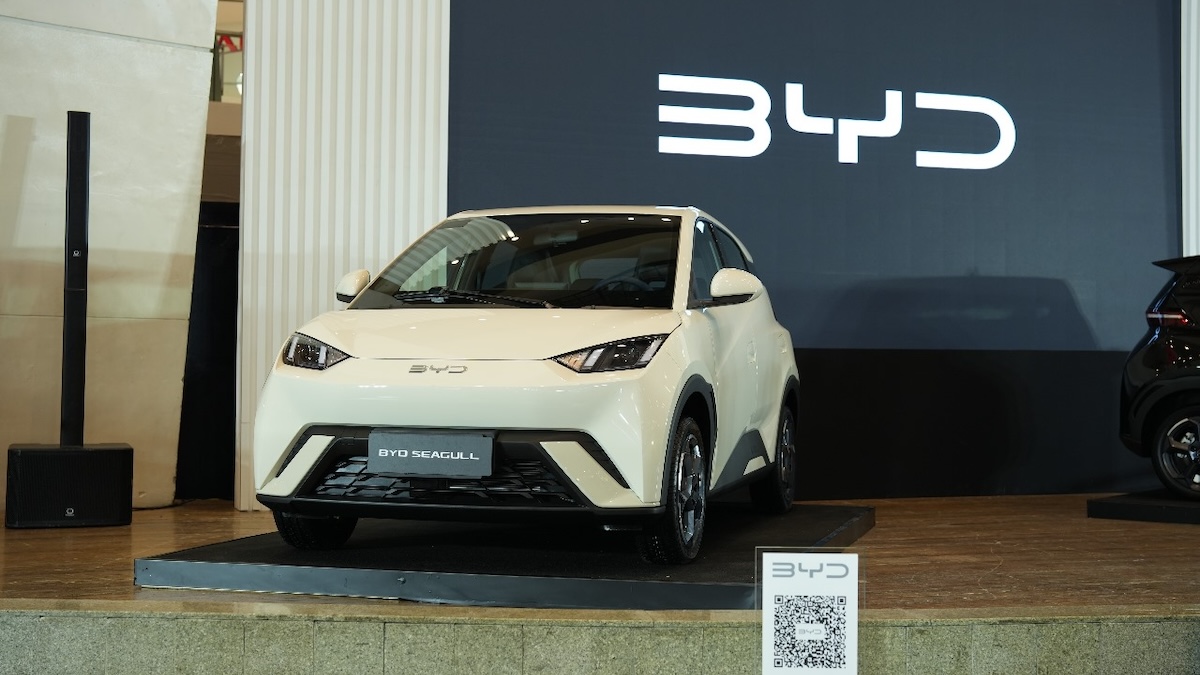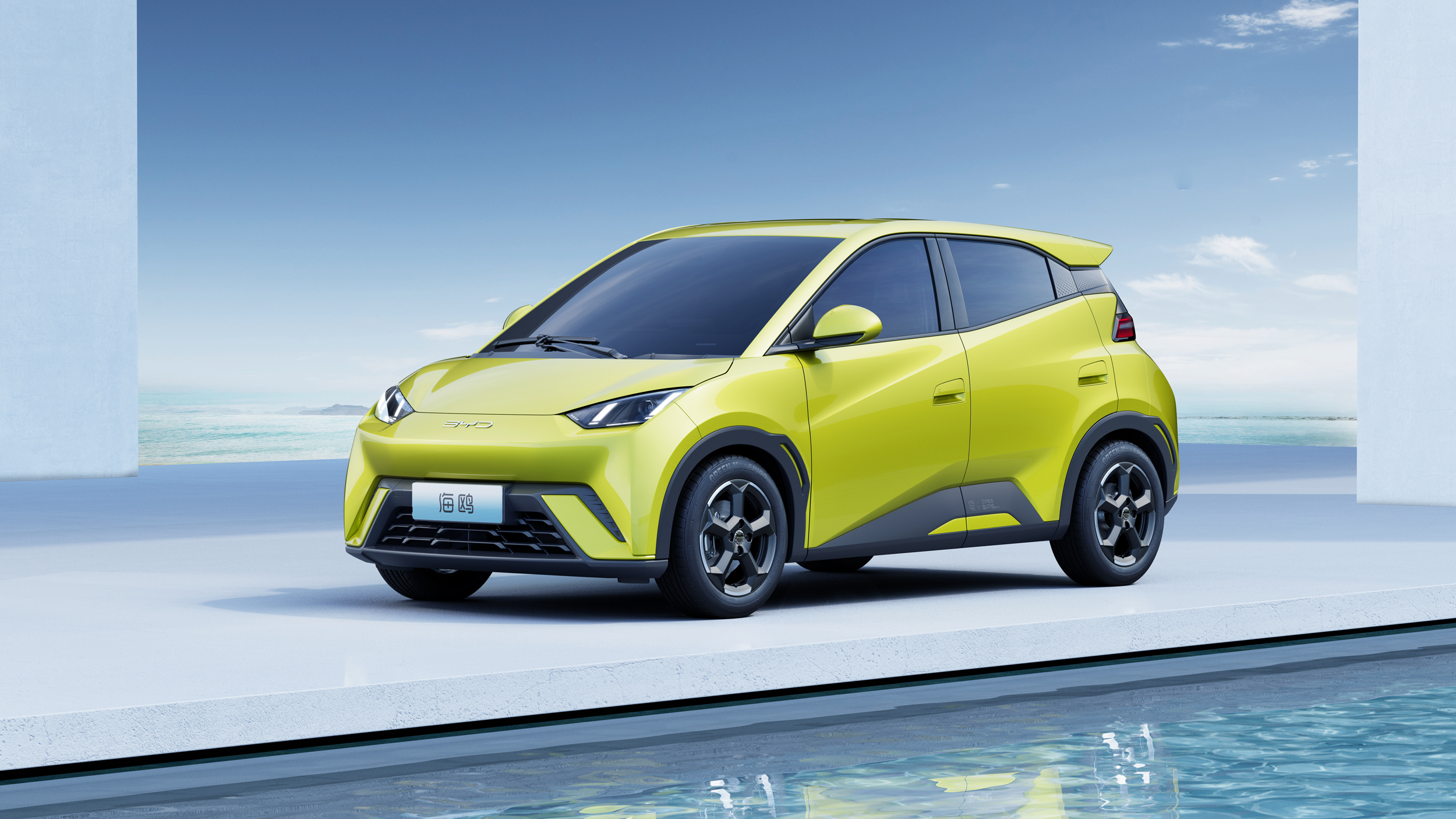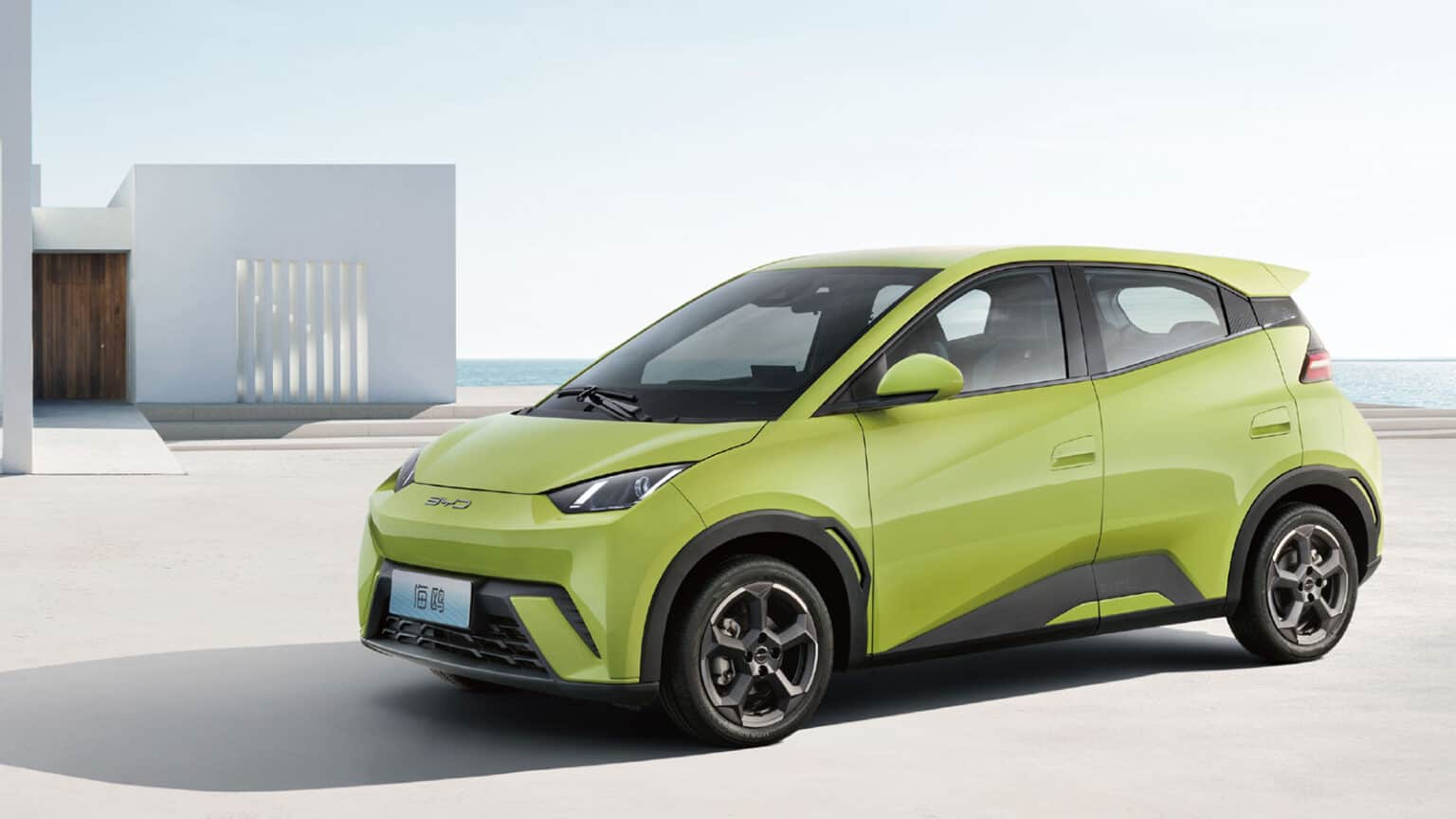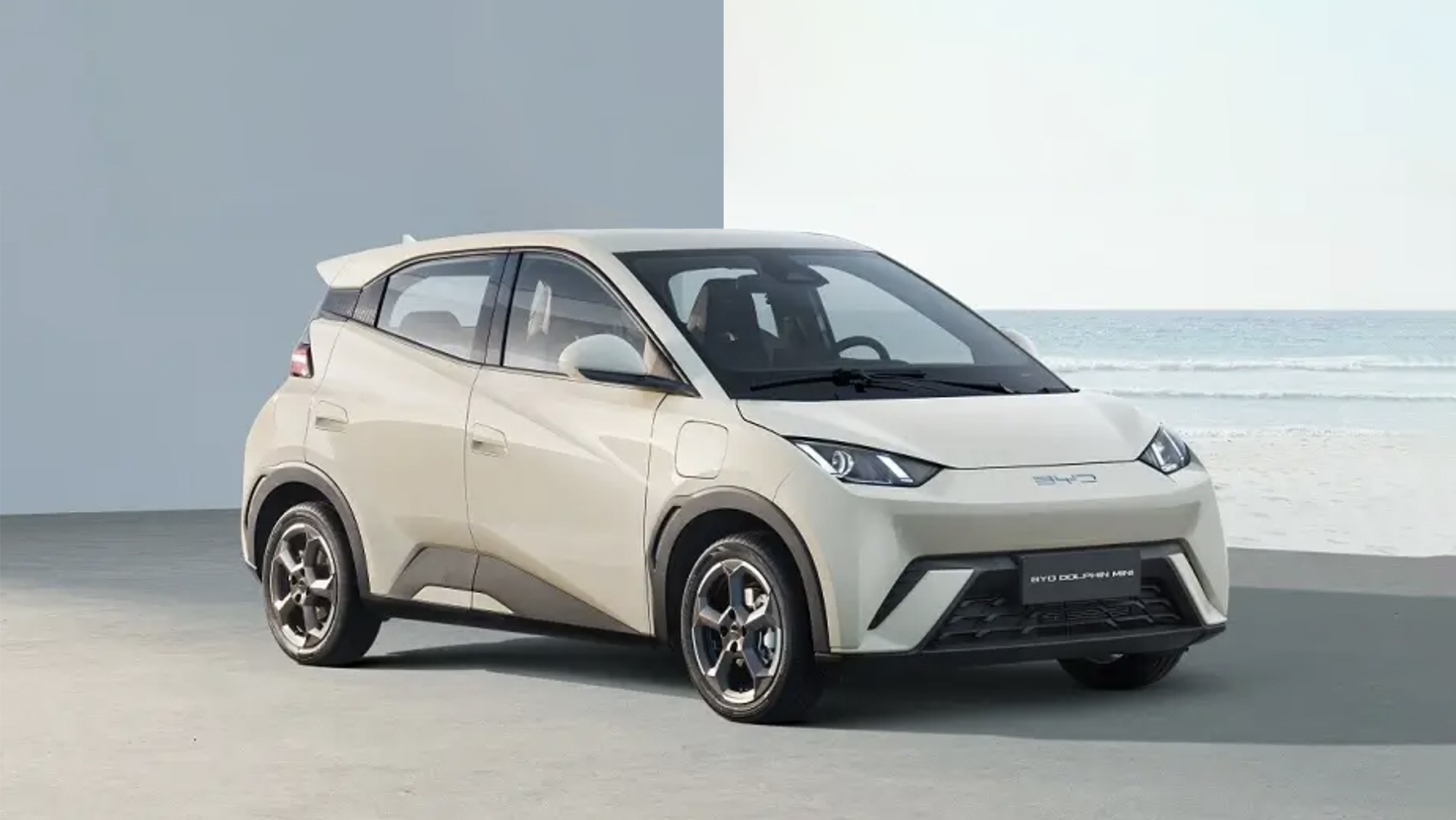
The sub-$10,000 electric car has long been the industry's most awkward promise—cheap enough to matter, compromised enough to dismiss. Then BYD launched the Seagull, sold in some markets as the Dolphin Mini, and the equation changed overnight. Hundreds of thousands of sales later, across China, Latin America, Southeast Asia, and Europe, the tiny hatchback is no longer a curiosity. It's a benchmark.
Now BYD is preparing to move the goalposts again. According to recent reporting, the next-generation Seagull is growing in size and ambition, and the overhaul is described as "bigger than expected"—a phrase doing double duty, referring both to the car's physical dimensions and to the scale of the technological leap being engineered into it. The headline detail is a promise of 5-minute charging, a figure that until recently belonged exclusively to premium EVs costing five or six times as much.
The Solid-State Gambit
Here's where it gets genuinely interesting. BYD executives have stated publicly that solid-state battery technology is "nearly ready for the open road," with a target of putting it into a production vehicle as early as next year. Solid-state cells promise higher energy density, improved thermal stability, faster charging, and longer cycle life—the four horsemen of every lingering EV objection, dispatched in a single stroke.
For BYD to debut this technology in its most affordable model rather than in a flagship would be an extraordinary statement of intent. It would signal that the company views solid-state not as a halo feature rationed to luxury buyers, but as a manufacturing-scale solution ready for mass deployment. That is precisely the kind of vertical integration advantage BYD has spent two decades building, from lithium mines to battery cells to complete vehicles. Most rivals are still negotiating with suppliers. BYD is negotiating with itself.
Charging at the Speed of Competition
A 5-minute charging claim is meaningless without a network capable of delivering that rate, and BYD has been moving with equal aggression on that front. The company recently opened its 2,000th high-speed flash charging station, surpassing its annual target well ahead of schedule. The charging experience, BYD understands, is now as much a product as the car itself—and its flash-charging rollout effectively creates a proprietary ecosystem that rewards Seagull buyers with a refueling experience approaching parity with gasoline. That psychological threshold has long held back mainstream EV adoption. BYD is dismantling it, one station at a time.
Competitors are watching closely. Geely has fired back with its own 4.5-minute charging claims, and the charging-speed arms race is now unfolding in real time. But speed alone isn't the story. What distinguishes BYD's approach is the vertical stack: batteries designed and built in-house, vehicles priced for the masses, and a charging network owned and operated by the same company. Few rivals can replicate that model of consolidation—and it is being aimed squarely at the most price-sensitive buyers on earth.
The Scale Behind the Strategy
Context matters here. BYD's Dynasty lineup recently marked its 10 millionth vehicle, a milestone that underscores the sheer scale at which the company operates. Models like the Seal 07, the Atto 3 EX in Japan, and the DENZA sub-brand continue to expand its footprint across segments and geographies. Even in the United States, where tariffs and legislation have effectively walled off the market, BYD already operates a factory—a fact that Washington has seen fit to legislate around rather than compete with directly.
But the Seagull remains the keystone. Geely's EX2 has begun eating into its dominance in the entry-level segment, and BYD, never a company to cede ground quietly, has responded not with a price cut but with something far more consequential. Affordable EVs are where the global transition will ultimately be won or lost, and the segment has historically been where ambition goes to die. Batteries are expensive, margins are thin, and consumers at this price point are unforgiving.
BYD's willingness to pour solid-state technology and 5-minute charging into a car that costs less than a used compact in most Western markets is not merely a product update. It is an argument—perhaps the most persuasive one yet—that the company intends to define the entry-level EV era rather than merely participate in it. If the Seagull's next act delivers even half of what's promised, the rest of the industry won't just be chasing a price point. It'll be chasing a philosophy: that the best technology should arrive first where it's needed most.