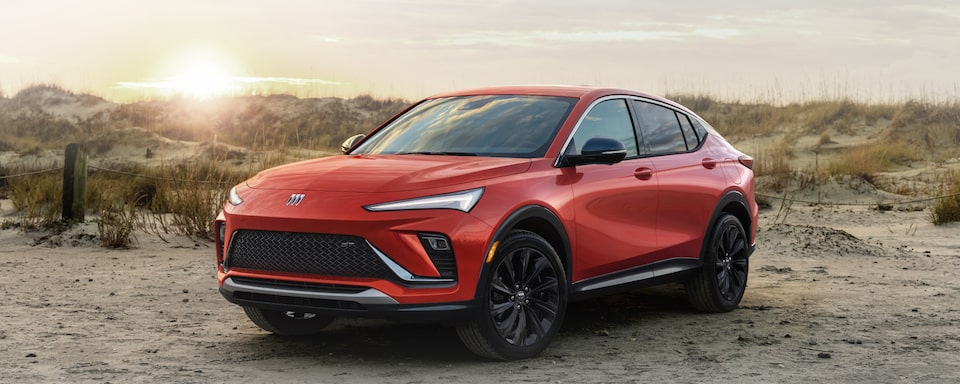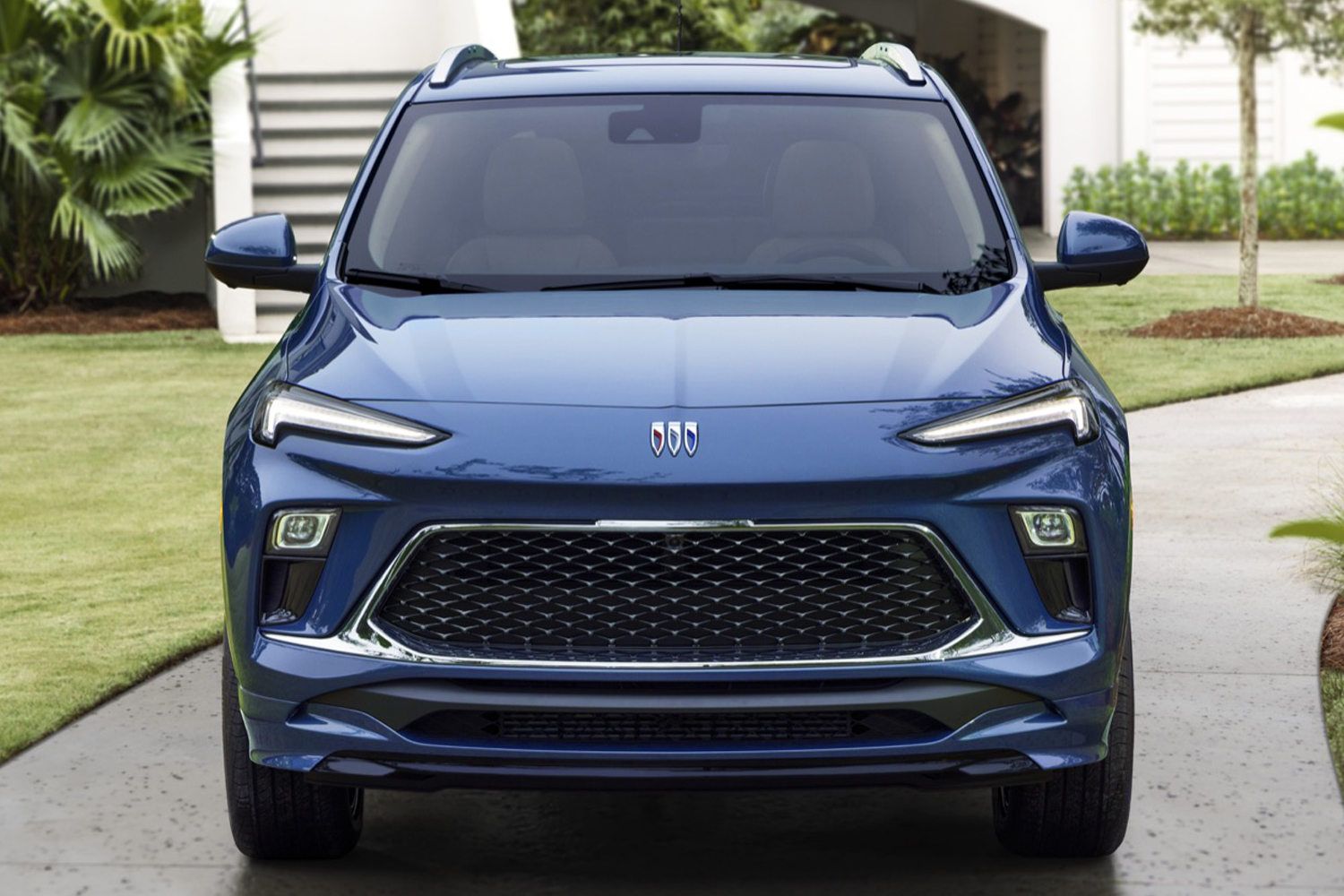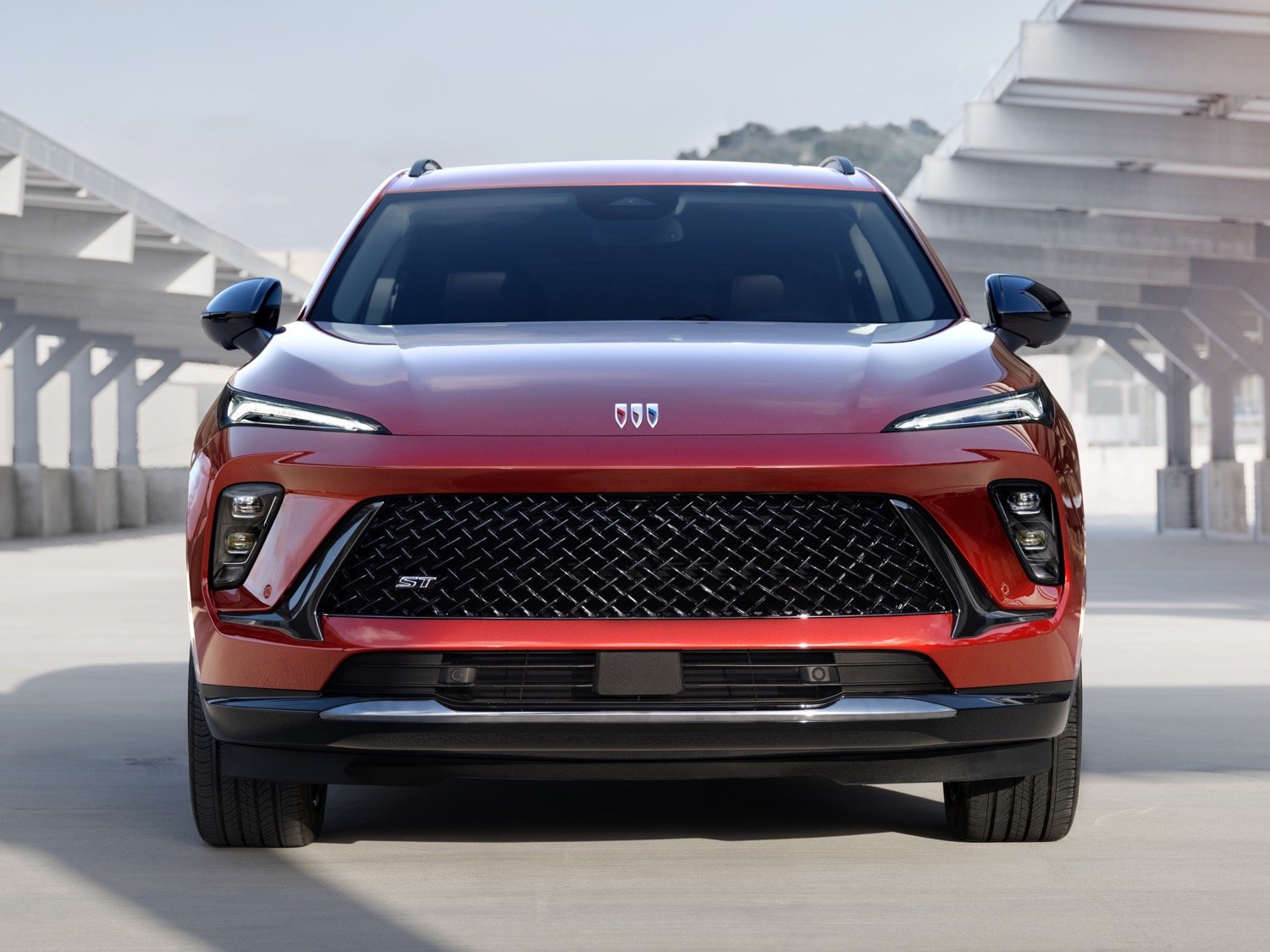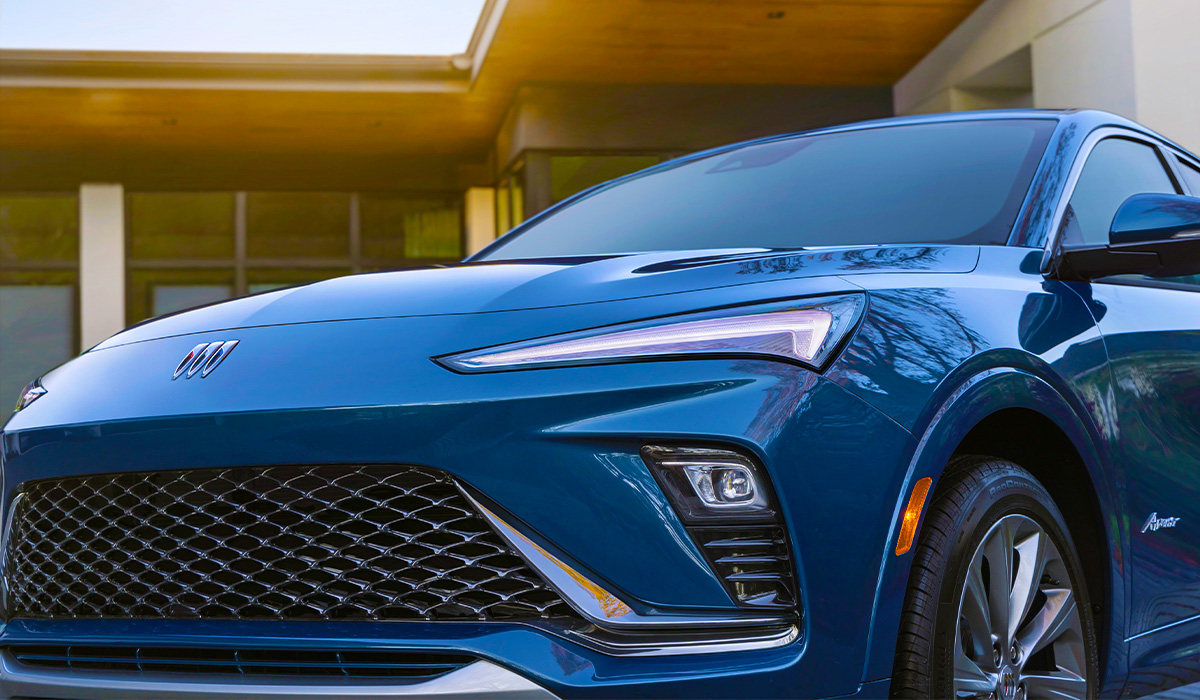
There is a curious tension unfolding inside Buick’s design studios and marketing departments. The brand has spent the last half-decade aggressively shedding its geriatric skin, replacing chrome-laden land yachts with sleek crossovers like the Enclave and the Envista—the latter of which GM Authority recently noted may finally ditch its most questionable design quirk for the 2027 model year. The strategy is working, at least in terms of product freshness. Yet in the rush to court younger buyers, Buick has committed a strategic error that its own heritage proves fatal: it refuses to say the word “luxury.” This is not a matter of semantics. It is a miscalculation of the most valuable asset the nameplate still owns.
Walk through the recent headlines and you will see a brand caught between identities. There is breathless nostalgia for the 1971–73 Riviera and the Grand National, the all-black menace that remains a cult hero. There is praise for the current Enclave, which Top Gear reviewed this year with genuine enthusiasm. And then there is the nagging repetition of a pattern: GM made the same mistake with the Buick Envista as it did with the Chevy Bolt EV and EUV, per GM Authority. The essence of that critique is production allocation and value positioning, but it points to something deeper. Buick keeps pricing and positioning its vehicles as approachable mainstream options, desperate to avoid the “old person’s Cadillac” stigma. But in doing so, it has robbed itself of the very premium halo that once made it a step above the Chevrolets and Fords of the world.
The Park Avenue Principle
The irony is that Buick’s own history is a masterclass in accessible luxury. The Park Avenue, that grandpa sedan that HotCars recently noted out-rated the muscle car in its day, was not a stripped econobox. It was a rolling living room with velvet ride quality and a quiet confidence that screamed success without shouting. The Riviera was a personal luxury coupe that could hold its own against anything from Europe. These cars did not apologize for being comfortable, opulent, or softly sprung. They embraced it. And consumers rewarded Buick for decades precisely because it offered a slice of the good life without the full Cadillac tariff. That is a powerful niche, and it is still vacant in today’s market. Instead of claiming it, Buick now talks about “playful” design and digital experiences, a generic corporate vocabulary that could apply to any brand from Kia to Nissan.
The Price of Playing It Safe
Consider the recent lease deals splashed across USA Today, where Buicks appeared alongside stripped sedans at $209 a month. There is nothing wrong with a value proposition, but leading with that price point actively erodes the premium perception Buick needs to survive. When you advertise your three-row crossover next to a subcompact rental special, you are telling the public that your product is a commodity. Meanwhile, the brand’s own dealers are winning GM Mark of Excellence awards and outfitting fire departments with vehicles, which is wonderful community work but does nothing for the aspirational image. The most damning evidence is the digital revival of the Roadmaster, that aerodynamic rear-wheel-drive station wagon land yacht that autoevolution recently showcased. It is a fantasy render, but it generated buzz because it understands what Buick once meant: substantial, luxurious, unapologetically American transportation.
Design Tweaks Won’t Fix an Identity Crisis
The 2027 Envista’s rumored design change is a perfect microcosm of the problem. Buick is tinkering with styling details, removing questionable elements, and refining the product. That is all well and good. But the underlying issue is not a headlight shape or a grille pattern. It is a brand that cannot decide whether it wants to be a premium player or a volume player. GM has the volume brands in Chevrolet and GMC. It has the ultimate luxury in Cadillac. Buick’s only rational lane is the middle-upper ground, the place where buyers who cannot stretch to an Escalade still want more than a Traverse. That lane demands confidence, a willingness to say “we are a luxury brand” and mean it. Every time Buick runs from that label, it surrenders ground to Acura, Lincoln, and even well-optioned mainstreams.
Claiming the Crown
The recipe is not complicated. Build the handsome crossovers, keep the design momentum, but price them like premium products and market them like the heirs to the Riviera and Park Avenue legacy. The customers are waiting. They are tired of sterile German minimalism and inflated Japanese prices. They want a Buick that is proud to be a Buick, not a generic crossover that happens to wear a tri-shield. Until the brand embraces the L-word, it will remain a footnote in the shadow of its own glorious past. The cars are good enough now. The only thing missing is the nerve to claim the luxury crown it already owns.