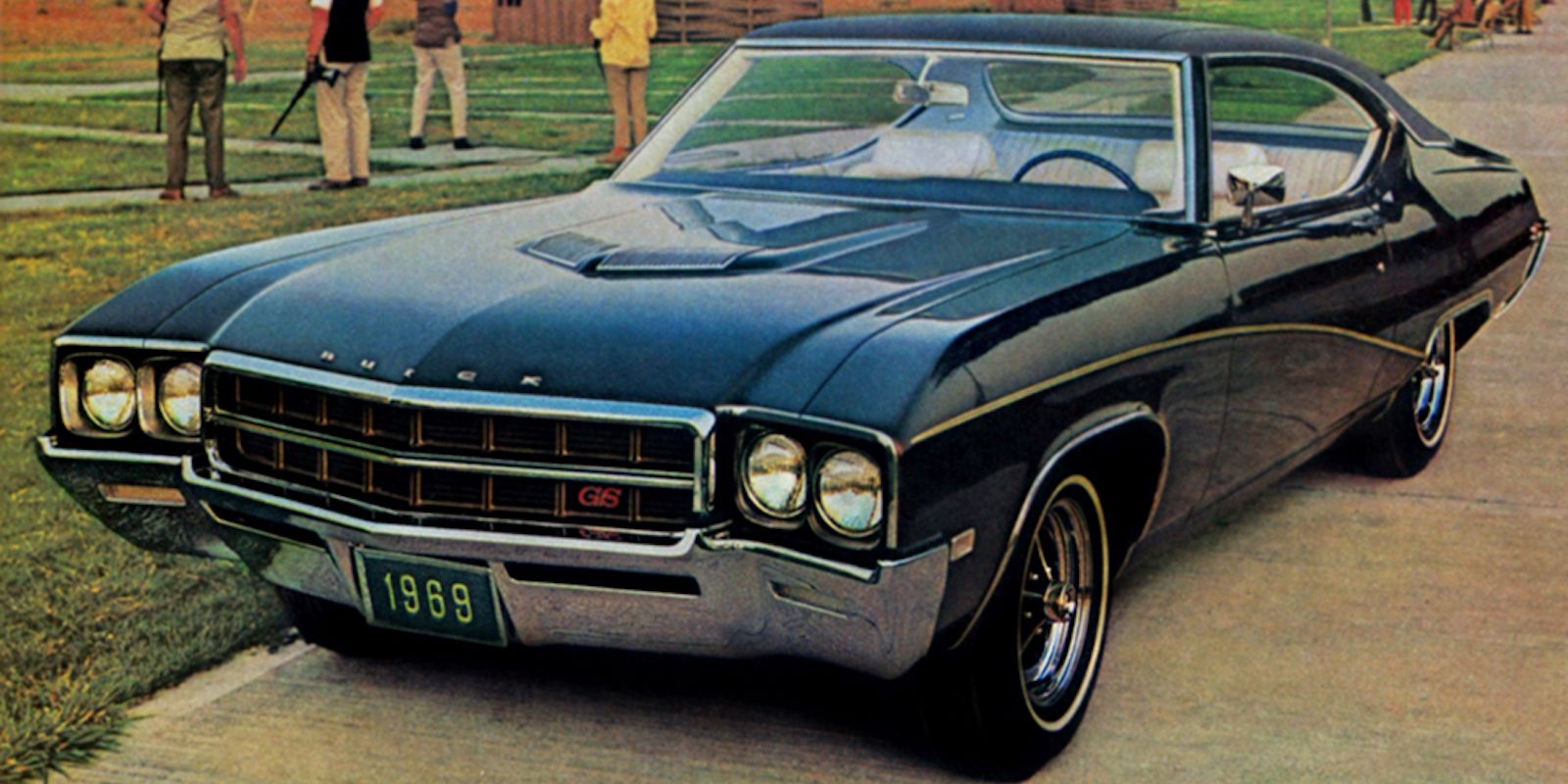
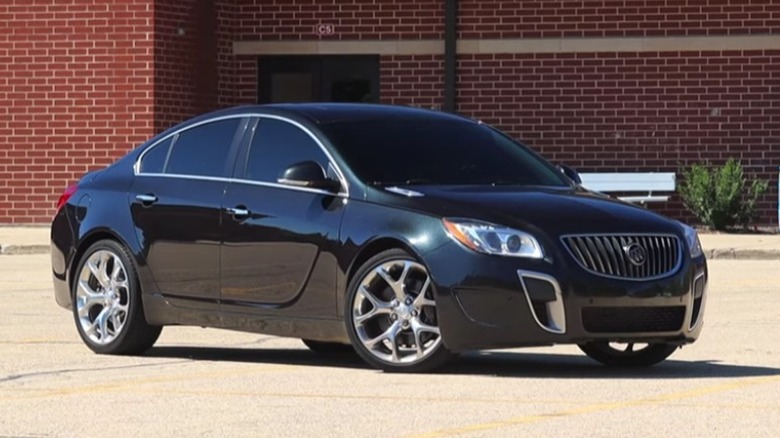
The most extraordinary chapter in Buick's long history never appeared in a showroom. It was written at 80,000 feet, at Mach 3.2, in the thin air above hostile territory—and it began, improbably, with two Buick V8 engines bolted to a cart. That the same marque now sells the Envista crossover and quietly offers E85-capable sedans is a juxtaposition almost too strange to invent. Yet it happened, and it remains the most fascinating piece of engineering trivia ever attached to an American luxury brand.
The aircraft in question was the Lockheed SR-71 Blackbird, unquestionably the most formidable reconnaissance platform ever flown. Its Pratt & Whitney J58 turbojet-ramjets were engineering marvels, capable of sustained speeds exceeding Mach 3 while swallowing prodigious quantities of fuel. But those engines harbored a stubborn secret: they could not be started by conventional means.
The J58's Violent Appetite for Ignition
The J58's starting requirements demanded external motivation of a very specific and violent sort—a burst of shaft energy sufficient to spin the compressor to self-sustaining speed. Normal airport ground equipment, the sort that coaxed airliners to life, was simply unequal to the task.
The solution came from an unexpected corner of General Motors. Buick, a division better known for plush Roadmasters and the occasional Grand National, built a starter cart housing not one but two Buick V8 engines. Working in tandem, these powerplants produced more than 600 horsepower—not to propel a vehicle, but to drive the pneumatic and hydraulic systems that would, in turn, crank the J58 into life.
A Mobile Power Station From Flint
The cart was, in essence, a mobile power station built around the same aluminum V8 architecture that had powered Buicks on American roads. Ground crews would couple it to the Blackbird, unleash its twin engines, and wait as the cart's output spun the J58's massive turbojet to ignition.
Consider the absurdity of the image: the most advanced aircraft ever constructed, a machine that leaked fuel on the tarmac by design and flew faster than a rifle bullet, utterly dependent on a pair of passenger-car V8s to leave the ground. There is no more vivid illustration of the strange symbiosis between Detroit mass production and aerospace ambition. Buick's engines were chosen not for glamour but for reliability, compactness, and the sheer brute output available from a proven design. It was pragmatism of the highest order.
Myth, Memory, and the Modern Marquee
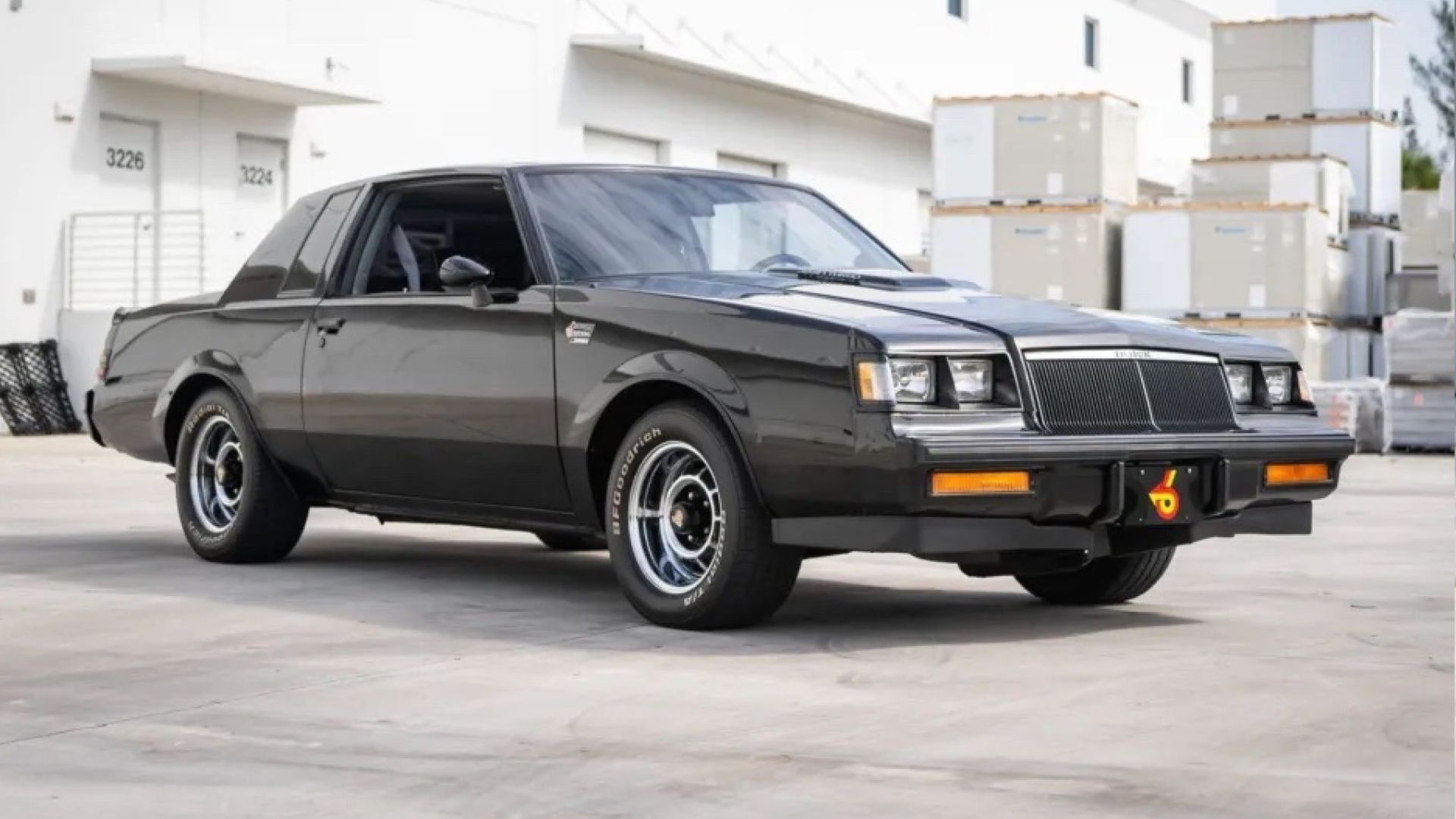
That this story survives at all is a testament to its enduring power. In an era when Buick's news cycle is dominated by the 2026 Envision's price increases, climbing dealer inventory, and speculation about hybrid powertrains for its next compact crossover, the starter cart feels almost mythological. The brand's current identity—a bridge between mainstream and premium, with the Electra NEV sub-brand gathering momentum in China—sits a galaxy away from the flight lines of Beale Air Force Base. Yet the connection endures, and enthusiasts still trade photographs of the cart with the reverence usually reserved for the GNX, that blacked-out 1987 legend now so ardently pursued by collectors.
There is a peculiar irony in the fact that Buick's most consequential contribution to American technological supremacy was never advertised. The cart did not wear a badge, appear in a brochure, or grace a motor show stand. It simply did its job, spinning J58s into life so that Blackbirds could slip the surly bonds and vanish into the stratosphere. Meanwhile, the same engineering culture that produced it also gave us the Grand National, the 310-horsepower V6 sports sedan that remains a bargain among performance machines, and the quietly efficient E85-capable cars now rolling off dealer lots.
Buick has spent decades refining a reputation for comfort and restraint. But beneath that polished surface lies a heritage stranger and more thrilling than any marketing department could manufacture: a luxury brand whose engines once ignited the fastest jet ever built. It is, without question, the oddest and most magnificent story in the marque's long, quietly remarkable life.