Five months. That’s how long it takes Buick to decide a brand-new SUV needs a significant update in China. In America, five months is how long it takes a new nameplate to gather dust on dealer lots before the first round of stair-step incentives kicks in. Same company. Same badge. Two completely different definitions of urgency — and only one of them tells you where Buick actually believes its future lives.
According to CnEVPost, Buick will refresh the Electra E7 SUV on September 23, roughly five months after the model first went on sale. In the world’s most competitive electric vehicle market, half a year is apparently an eternity, and Buick is treating it accordingly. In the United States, five months is barely enough time for a nameplate to accumulate a full inventory of unsold examples, let alone warrant a hardware and software revision. That gap is the whole story.
A Five-Month Cadence in a Market That Punishes Complacency
Chinese buyers get a five-month update cadence because the market punishes complacency with instant obsolescence. Refresh or die. Iterate or be forgotten. Buick, facing that reality, moves like a company that believes its survival depends on it — because it does.
This is not a triumph of agility so much as an indictment of pace. The same company that can retool a Chinese-market crossover within a single fiscal quarter has spent the better part of a decade watching its American lineup drift toward irrelevance. The engineering muscle clearly exists. The will to deploy it stateside, apparently, does not.
Meanwhile, in America
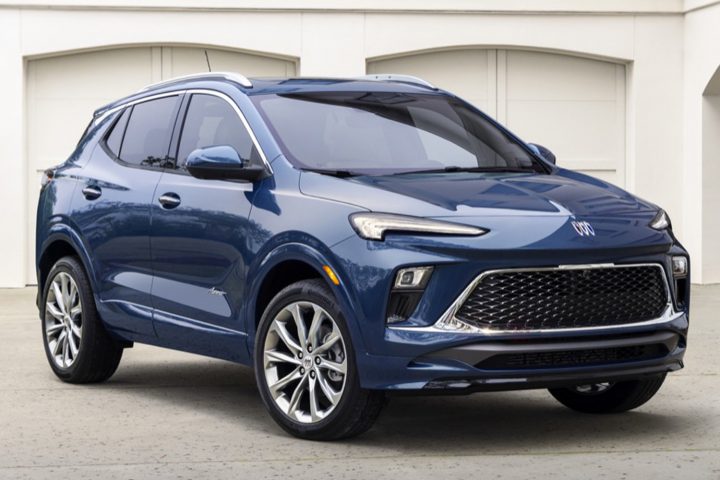
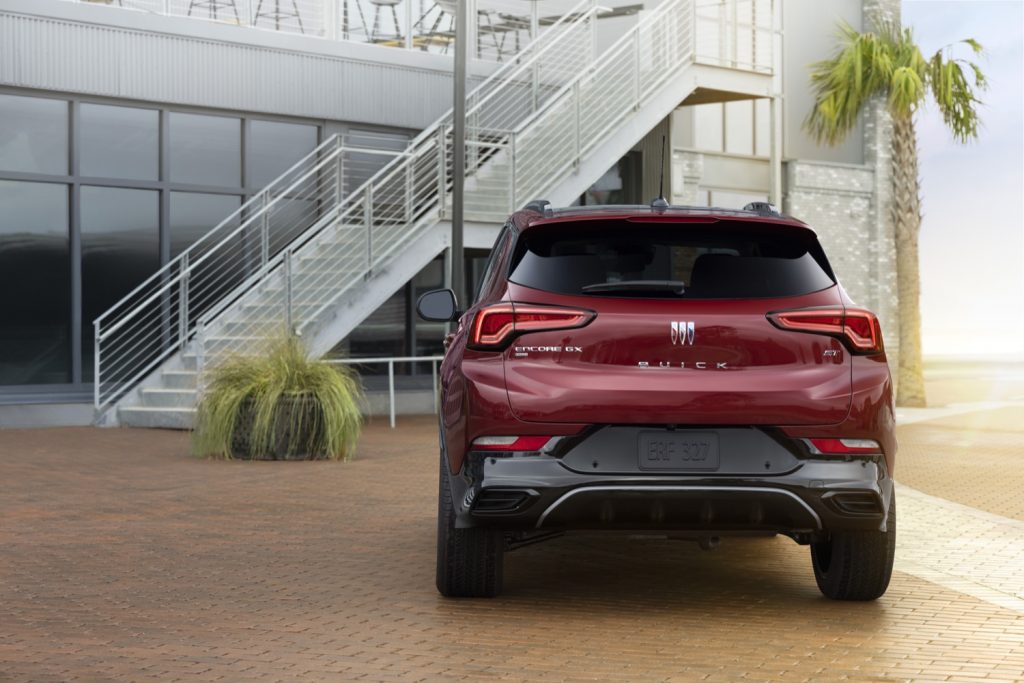
Consider what passes for news on this side of the Pacific. The Encore GX and Envista were just recalled for faulty rearview cameras, part of a broader GM action covering more than 306,000 Buick and Chevrolet SUVs. The Electra E7 PHEV was spotted testing in Korea without camouflage — a reminder that the electrified Buick Americans keep hearing about is being engineered and validated everywhere except the market that invented the brand.
And the most compelling Buick stories of the past week? A 1964 Riviera with 42,900 miles. A 1987 GNX with 30 miles. A Lucerne kept alive by GM’s best V6. Nostalgia pieces, all of them, filling the void where new-product excitement should be. When your brand’s headlines are written by the collector market, you have a problem the configurator can’t fix.
The Asymmetry Was Always the Business Model
American buyers get a five-year product cycle because, historically, they have been willing to accept it. Buick has been coasting on that asymmetry for years, selling rebadged Opels and lightly reskinned Chevrolets to a demographic that skews older and, critically, less demanding of its dealers.
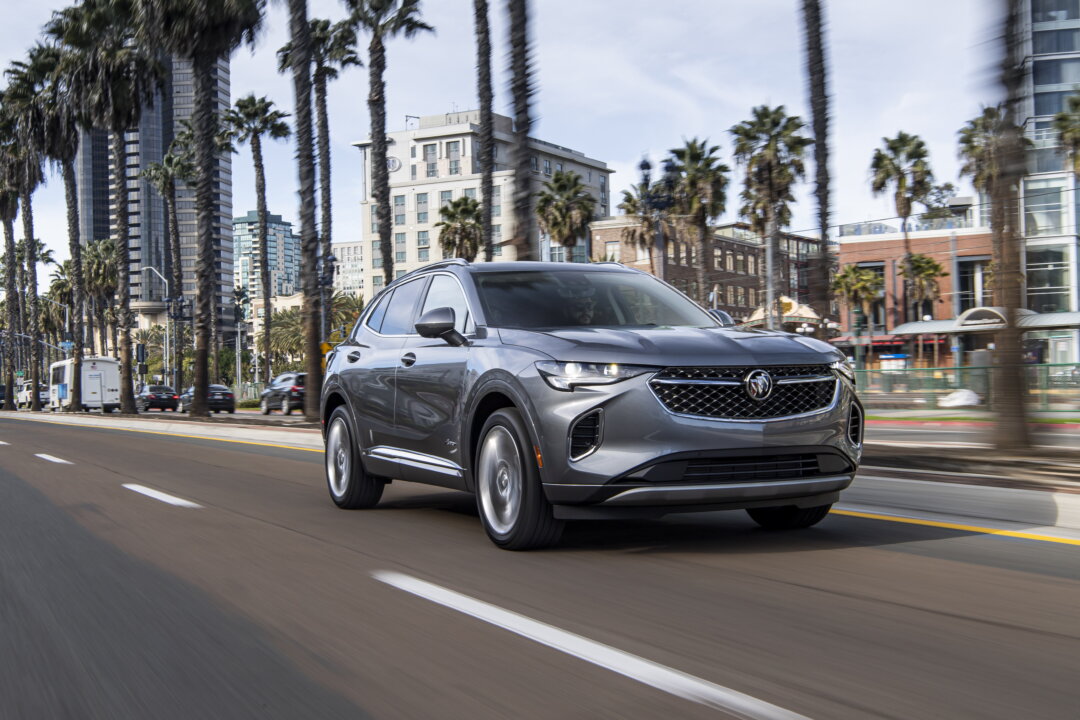
The evidence is everywhere. The Century Black Gold Edition minivan, announced with much fanfare, is a luxury trim package for a vehicle Americans cannot buy. The 2027 Envision is still three model years away. The brand’s most forward-looking product decisions are being made in Shanghai, and its American identity is increasingly curated by the used-car market — a heritage act propped up by survivors rather than showroom traffic.
There is a version of this where Buick’s Chinese velocity is a blueprint — proof that the brand still knows how to move quickly when it believes its survival depends on it. But that would require acknowledging the obvious: Buick believes its survival depends on China, not America.
A Signal, Not a Flex
The Electra E7’s September refresh is not a flex. It is a signal about where the company’s engineering urgency actually lives, and it is not in Detroit. A five-month product cycle is what happens when a brand is fighting for its life in a market that will not wait. A five-year product cycle is what happens when a brand believes it can.
Until Buick applies that same five-month metabolism to its American lineup — until an Encore or Envision or Enclave gets the kind of rapid, iterative attention the Electra E7 takes for granted — the brand’s stateside story will remain what it has been for a decade. A heritage act, propped up by classics and recalls, waiting for a future that keeps getting built somewhere else.