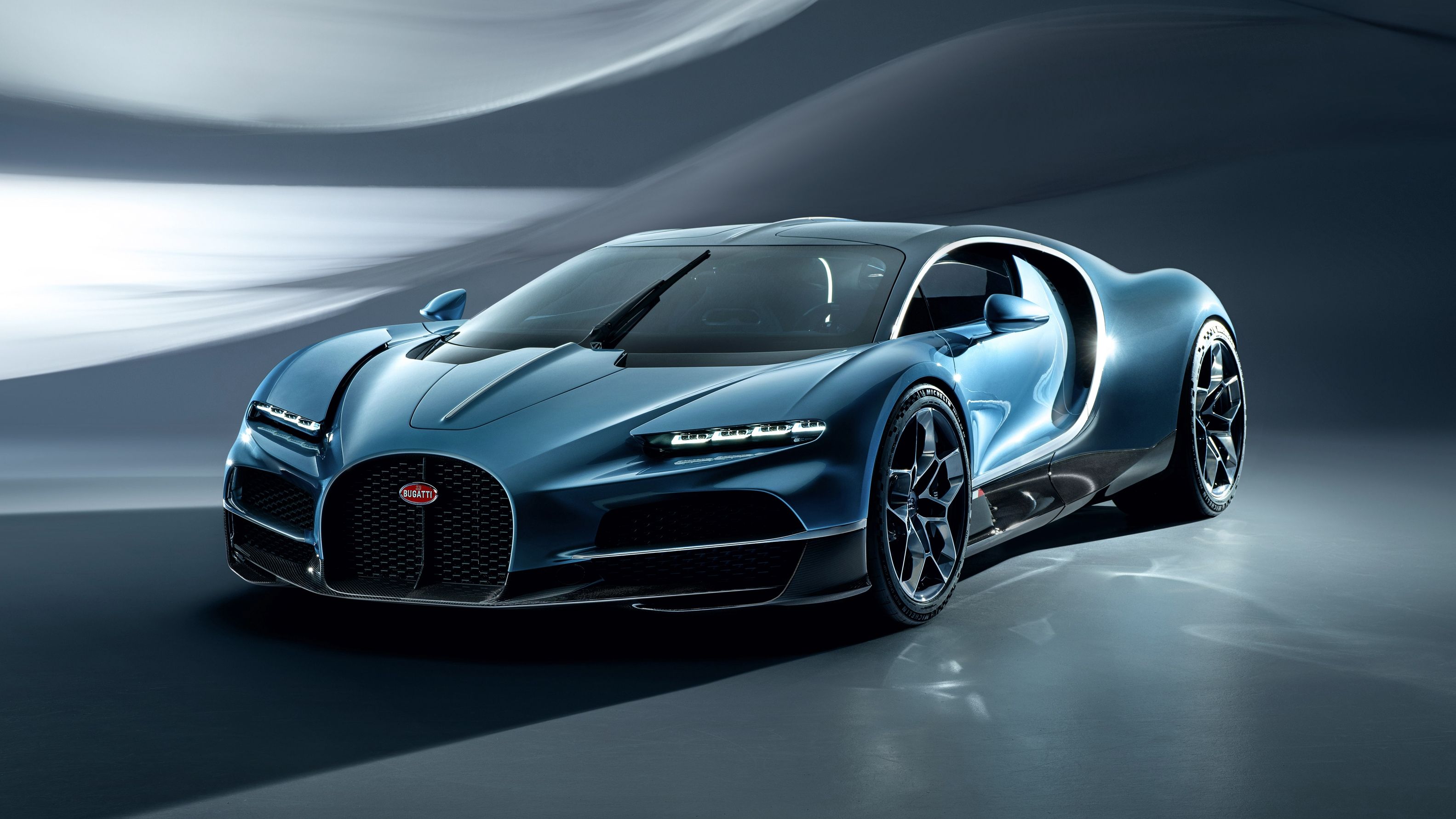
Miami's skyline is about to get its most improbable automotive landmark. Bugatti — the Molsheim marque synonymous with quad-turbo W16 engines and seven-figure window stickers — has unveiled plans for a 60-story branded residential tower in the heart of the city, its first such venture on American soil. On the surface, it reads like another entry in Miami's booming ultra-luxury real estate market, where cash transactions dominate and prestige brands jostle for square footage. Look closer, though, and the tower is something far more consequential: the clearest signal yet that Bugatti no longer thinks of itself as a car company at all.
The mechanics of the building are appropriately extravagant. Residences will come with butler service and a curated program of *art de vivre* — the French philosophy of elevated living — woven through the amenities. This is not a parking garage with condos stacked above it. It is Bugatti attempting to sell a complete existence, one in which the automobile is merely the most visible artifact.
A Hypercar Business Is a Boutique. Real Estate Scales.
For a brand that builds perhaps a few dozen cars a year, the economics are revealing. A hypercar operation, however storied, is a boutique business with brutal development costs and a customer base measured in the hundreds. A real estate portfolio, by contrast, scales. It generates recurring revenue, compounds brand equity in the daily lives of the wealthy, and does so without requiring a single new crankshaft.
What makes the timing so compelling is that the tower arrives at a moment of genuine product momentum. Mate Rimac, now firmly installed atop the Bugatti Rimac leadership structure following the completed ownership transition, has openly mused about a stick-shift V-16 hypercar — a proposition so anachronistic and so gloriously unnecessary that it could only come from this brand. Meanwhile, the Bugatti Destrier, a 1,578bhp reimagining of the Bolide as road-going art, demonstrates that the engineering ambition remains undiluted. And the Mistral, Bugatti's roofless farewell to the W16, continues to generate headlines, with a Mansory-tuned Vincero example turning heads at the Monaco Yacht Show — itself a telling venue, positioned as it is at the intersection of automotive and nautical luxury.
The Client List Says It All
The customer base tells the same story. Cristiano Ronaldo's reported $40 million garage is dense with Bugattis, and a single buyer recently parted with $20 million for one of the most exclusive machines to emerge from the company's special programs. The most expensive Veyron ever built has likewise changed hands, its provenance now part of a broader narrative about collectibility and cultural weight. Even the marque's history has become a luxury commodity: the abandoned Campogalliano factory, where the EB110 was born, is now a site of pilgrimage for enthusiasts who treat Bugatti's past as a secular relic.
This is the playbook of a brand transcending its category. Ferrari has its theme parks and fashion lines; Aston Martin has its apartments; Porsche has joined Bugatti in courting Miami's cash-rich buyers. But Bugatti occupies a peculiar position. It has no volume models to protect, no mass-market dilution to fear. Every touchpoint — the Veyron 16.4 Grand Sport Vitesse that Robb Report recently drove, the Mistral, the tower, the butlers — reinforces the same singular proposition: that Bugatti is not transportation but a membership.
The Coherence Problem
The risk, of course, is coherence. A brand can extend itself into residences and lifestyle ventures only so far before the core product begins to feel like a footnote to the merchandising. Bugatti's defence is that its cars remain genuinely extraordinary, and that Rimac appears committed to keeping them so. The V-16, the Destrier, the special commissions at $20 million apiece — these are not the output of a company coasting on its name.
Still, the Miami tower marks a threshold. When a hypercar maker erects a skyscraper, it is announcing that its ambitions are no longer measured in horsepower alone. Bugatti has spent two decades establishing that it builds the world's most exclusive automobiles. Now it is betting that the same clientele will pay to live inside the brand — and that the brand, in turn, can survive the transition from garage to skyline without losing the thing that made it worth living in.