For nearly two decades, Bugatti existed as a glorious indulgence inside the Volkswagen Group — a loss-making halo project that Ferdinand Piëch willed into existence and Wolfsburg bankrolled with the patience of a patron rather than the discipline of a parent company. That era is now formally over. Porsche has completed the sale of its stakes in Bugatti Rimac and Rimac Group to an HOF Capital-led consortium, walking away with roughly €1 billion — reported in some outlets as $1.16 billion — to bolster its own cash flow and pension obligations. It is a transaction that says as much about Porsche's priorities as it does about Bugatti's future.
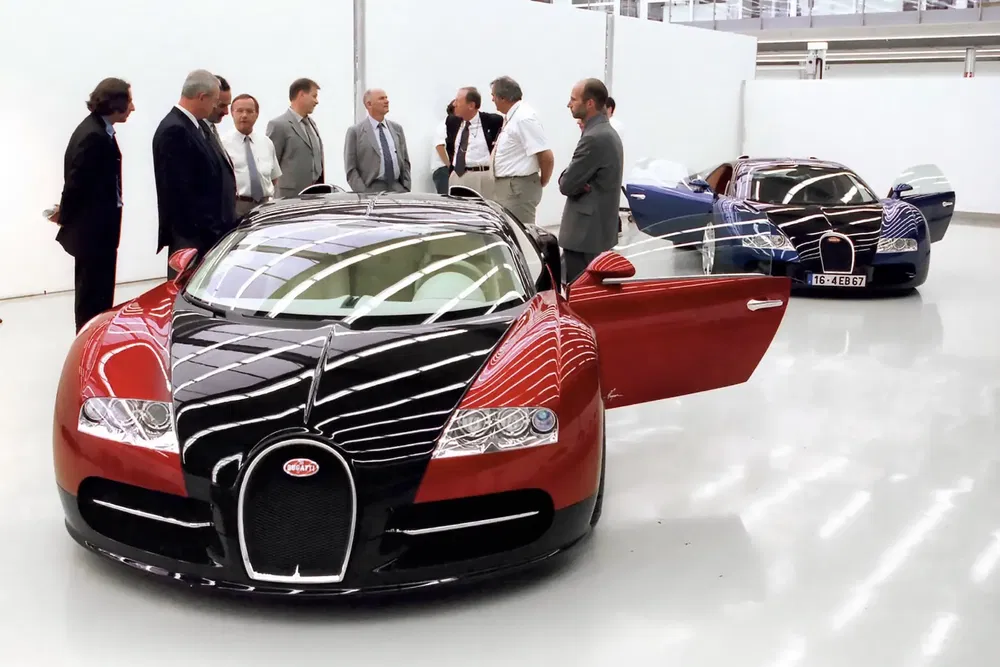
To understand what changes, it helps to understand what Volkswagen provided. Under the Group's stewardship, Bugatti was never asked to justify itself on a quarterly spreadsheet. The Veyron and Chiron were engineering statements first and commercial products second, built to demonstrate what an unfettered budget and German industrial resolve could achieve. That arrangement produced the W16 — a quad-turbocharged masterpiece that will almost certainly never be replicated — and it produced a brand whose cultural weight far exceeded its annual delivery numbers. What it did not produce, at least in the conventional sense, was profit.
The End of the Blank Cheque
HOF Capital is not Volkswagen. The consortium, which now holds the controlling interest in both Bugatti Rimac and Rimac Group, operates with the expectations of private capital: returns, growth trajectories, and a credible path to value creation. That does not automatically spell trouble for Bugatti — it spells a change in the terms of the relationship. The brand will need to articulate a business case, not merely an engineering one.
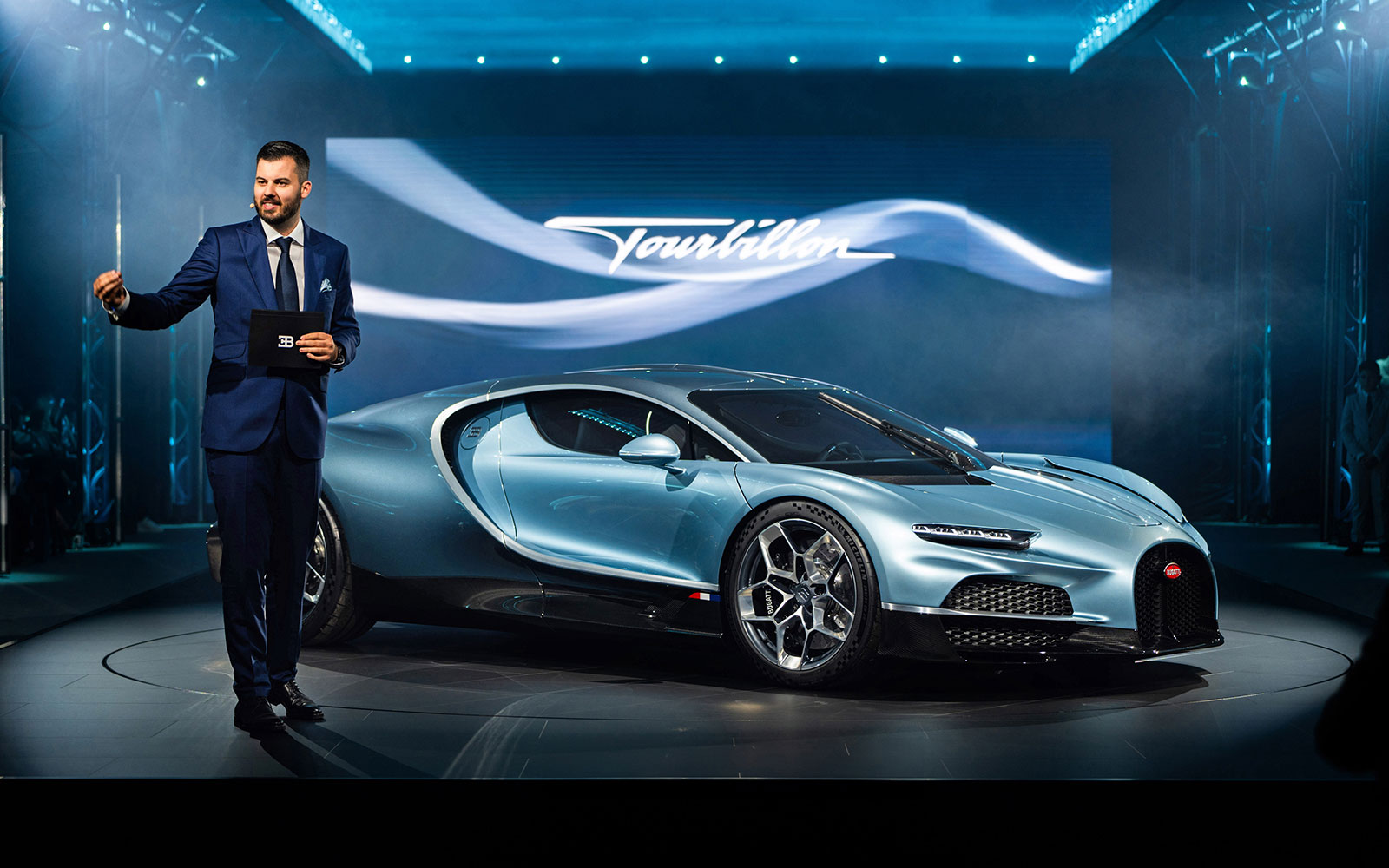
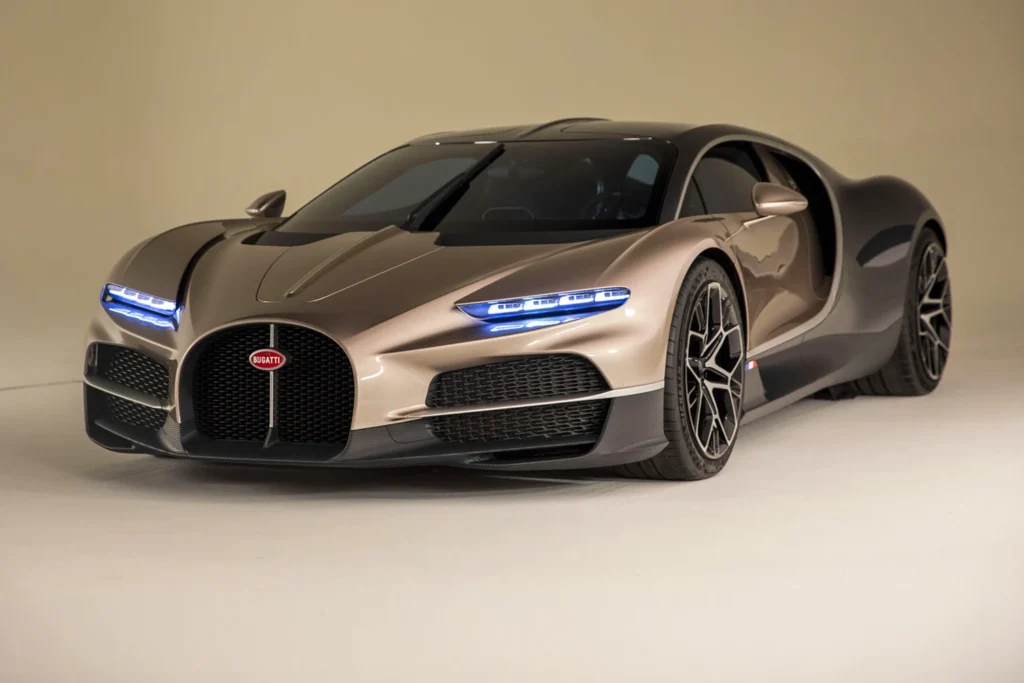
The good news is that the groundwork has already been laid. The Tourbillon, Bugatti's hybrid V16 successor to the Chiron, represents exactly the kind of product a commercially minded owner wants: a hypercar with electrified powertrain credibility, positioned at the intersection of heritage and future regulation. It is a vehicle designed to be sold, not just admired.
Rimac, Brussels, and the New Map
The deeper strategic question concerns the relationship between Bugatti and Rimac. The two marques share a corporate parent in the HOF consortium, and the logic of that pairing — Rimac's electric hypercar expertise feeding into Bugatti's grand touring ambitions — remains intact. If anything, a leaner ownership structure may accelerate collaboration that was previously complicated by Porsche's layered involvement.
Bugatti has already signalled its institutional confidence by establishing a new home in Brussels, a move that underscores its European identity at precisely the moment its ownership becomes more international.
Monetising the Myth
There is also the matter of brand extension. Bugatti has recently moved into the high-end golf club market, a small but telling signal that the marque is exploring revenue streams beyond the rarefied air of hypercar sales. Such ventures are unlikely to move the financial needle on their own, but they reflect a brand learning to monetise its mythology in ways that Volkswagen's stewardship never demanded. Under private ownership, that instinct will sharpen.
None of this guarantees success. Private equity has a mixed record with heritage automotive brands, and the temptation to harvest a name rather than nurture it is real. But Bugatti enters this new chapter from a position of unusual strength: a full order book, a technically compelling flagship in the Tourbillon, and a brand equity that few marques on earth can match. The Volkswagen era gave Bugatti its modern identity. The HOF era will determine whether that identity can finally pay for itself — and whether the next great Bugatti is built by engineers answering to accountants.