There is a poetic cruelty in the automotive world: the weakest player in the room often writes the cheque for the strongest one’s future. Brilliance Auto, a name that once exemplified the hollow promise of Chinese state-backed manufacturing, has finally been put out of its misery. Chinese regulators recently froze the vehicle production qualifications of eight “zombie” brands—a bureaucratic execution that ends Brilliance’s lingering corporate existence. But here’s the twist that would make any strategist grin with admiration: this death isn’t a tragedy. It’s the most profitable thing Brilliance ever did.
By collapsing into bankruptcy, Brilliance effectively handed BMW the keys to a $4.2 billion rebirth in the world’s largest car market. A decades-old joint venture, burdened by a dysfunctional partner, has been transformed into a fully controlled, innovation-driven powerhouse. The zombie didn’t just die—it fuelled a resurrection.
The Joint Venture Trap
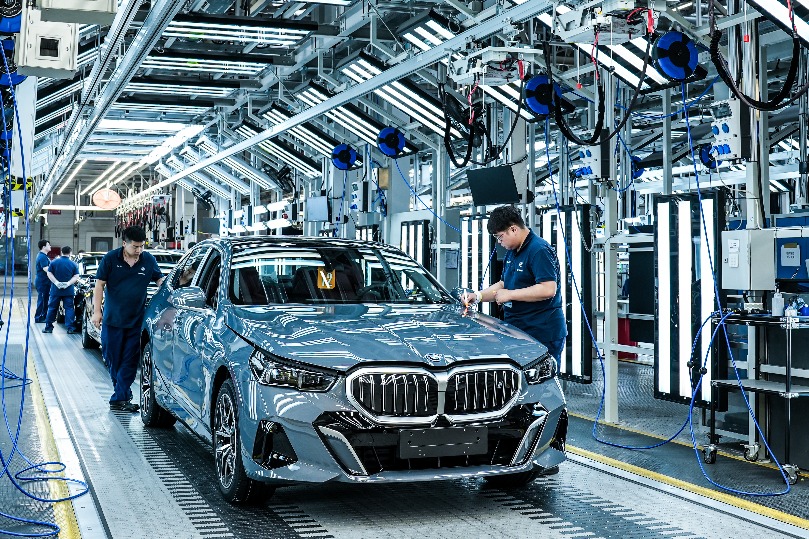
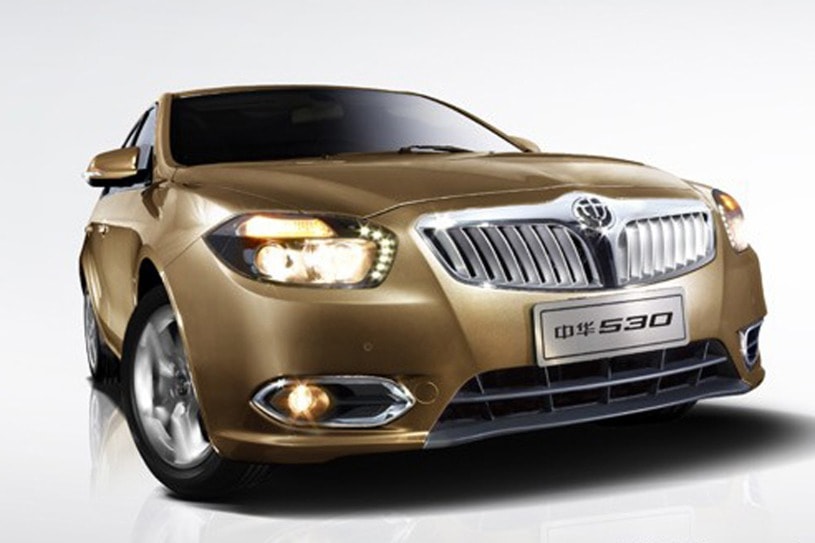
For years, China forced foreign automakers into 50:50 joint ventures with local partners. The policy was designed to force technology transfer and nurture domestic champions. Brilliance, however, took this mandate to an absurd extreme. While its Shenyang factory churned out the surprisingly competent BMW 3 Series and 5 Series for Chinese customers, Brilliance’s own branded vehicles—the forgettable BS6 and its ilk—languished in showroom obscurity.
The company piled up debt with the enthusiasm of a gambler chasing losses, defaulting on bonds and bleeding cash through ill-fated ventures like its Renault partnership, which filed for bankruptcy in 2021. By 2022, Brilliance was a textbook zombie: technically alive, commercially dead, kept breathing only by state intervention and the steady dividend checks from its Bavarian cash cow. The BS6 that Car and Driver once tested was a testament to how far Chinese manufacturing had come—and how far it still had to go. Brilliance never built a great car because it never needed to. Its profitability was guaranteed by BMW’s engineering excellence.
The Surgical Strike
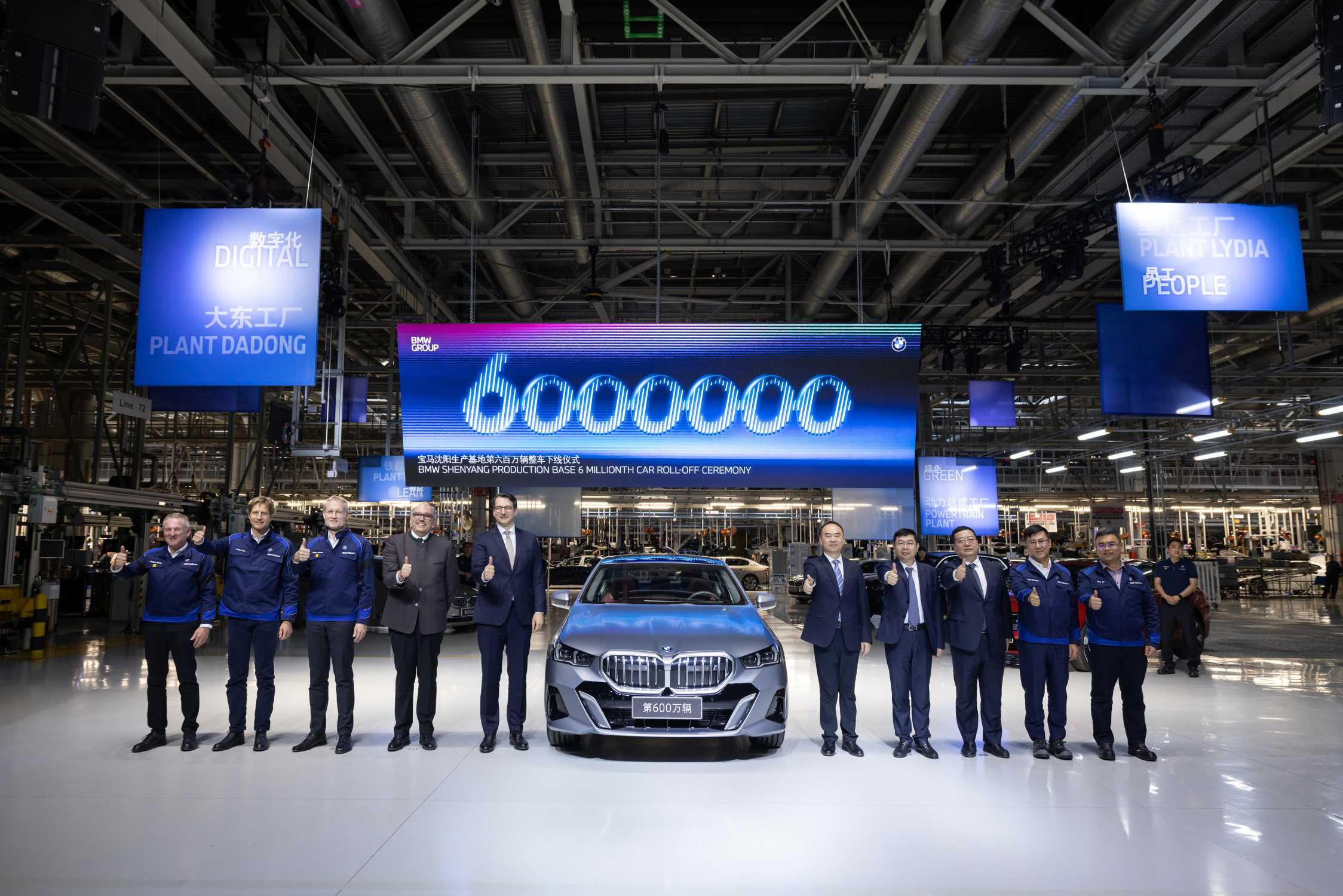
What makes this story remarkable isn’t Brilliance’s failure—that was inevitable. It’s the surgical precision with which BMW capitalised on the corpse. When Beijing finally relaxed foreign ownership rules in 2018, BMW moved with the speed of a racing driver attacking an apex. The €3.6 billion acquisition of a 25 percent stake gave Munich total control of BMW Brilliance Automotive, now rebranded as BMW Group Plant Shenyang.
The timing was flawless. As Brilliance’s parent company entered formal bankruptcy restructuring, BMW was simultaneously announcing a €2.5 billion investment to turn Shenyang into its largest production base outside Germany. The zombie’s death rattle became the soundtrack to BMW’s most aggressive China strategy in history. With full ownership, BMW transformed Shenyang into a high-voltage hub for electric vehicle production, building the iX3 and the forthcoming i5 for global export. The joint venture that once diluted control with a debt-ridden partner is now a clean, wholly owned asset.
The Elimination Race
The deeper irony is that Brilliance’s demise has inadvertently accelerated Chinese innovation, not hindered it. The government’s willingness to let eight zombie brands die sends a clear signal: the era of propping up incompetent state enterprises is over. This is the true elimination race, where market forces—not bureaucratic mercy—determine survival.
Even the recent partnership between Mercedes-Benz and BMW Brilliance to create a joint charging network in China underscores the strange symbiosis of this collapse. Mercedes, once a rival, now collaborates with a factory that emerged from Brilliance’s ashes. The German automakers understand that China’s EV revolution demands scale and cooperation, and BMW’s clean ownership structure makes it a more agile partner. Brilliance, reduced to a shell company fighting creditors in court, cannot participate in this future. Its legacy is not a single memorable car, but rather the strategic vacancy it created—a void BMW filled with ruthless efficiency.
The Foundation Stone
For the enthusiast, there is a melancholy lesson here. In the brutal calculus of modern automaking, passive income is no substitute for active competence. As the Chinese market consolidates and the state withdraws its safety net, the companies that survive will be those that innovate, not those that merely exist.
Brilliance’s permanent freeze is not just a regulatory footnote—it is a tombstone marking the end of an era where mediocrity could be subsidised into relevance. And for BMW, that tombstone is the foundation stone of its Chinese renaissance. The zombie automaker paradox is simple: sometimes the best thing a brand can do for the automotive world is get out of the way. Brilliance did exactly that—and BMW is now building the future on its grave.