BMW paid $4.2 billion to take control of its long-running Chinese joint venture — a landmark transaction, the first time a global automaker had been permitted to majority-own a domestic partnership. The headlines framed it as a triumph of foreign investment in China. What they underplayed was the other side of the ledger. For Brilliance Auto, selling down to a 25% stake in the venture it had co-owned since 2003 was not a strategic recalibration. It was a lifeline thrown from a sinking ship, and everyone at the table knew it.
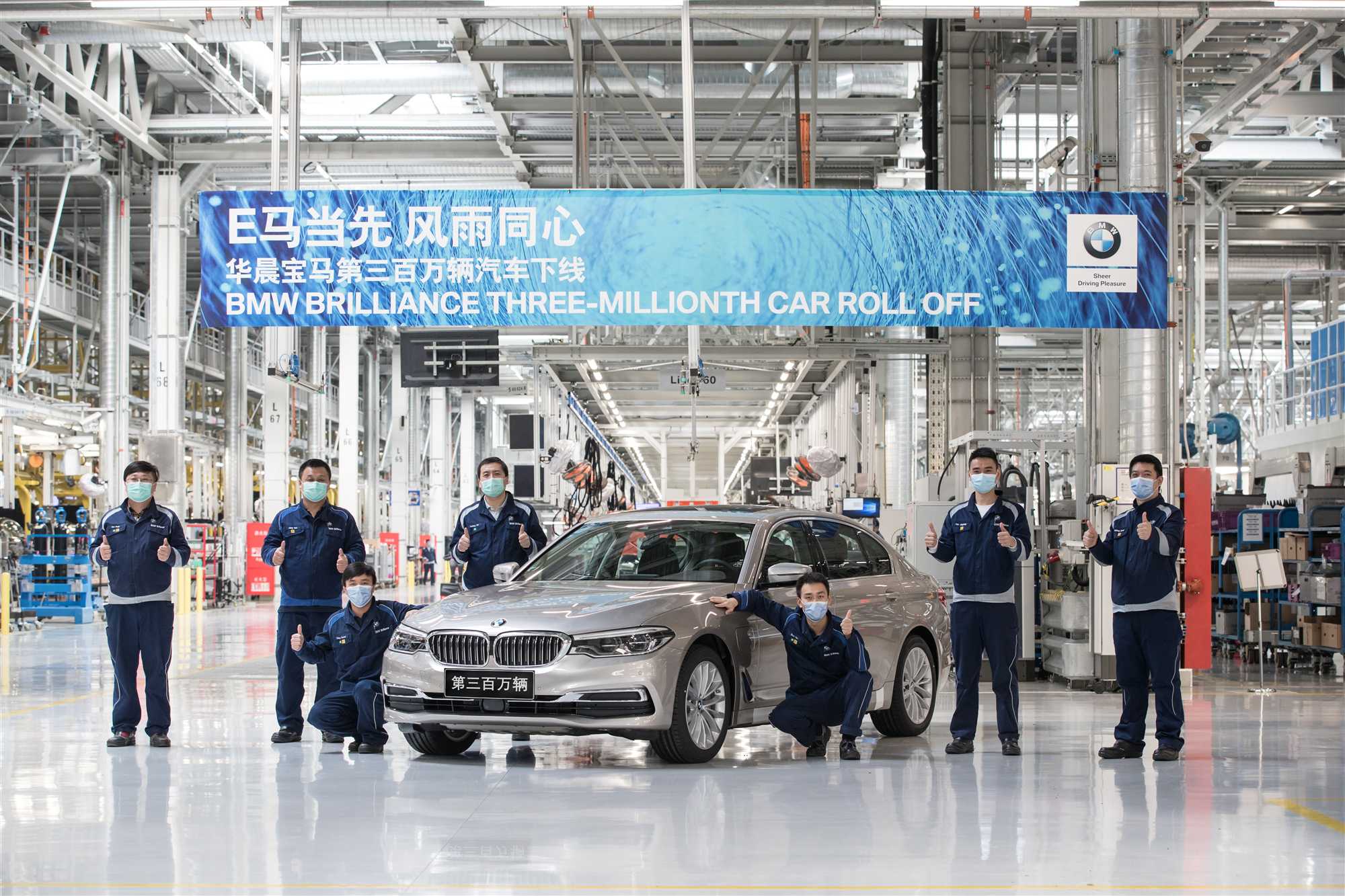
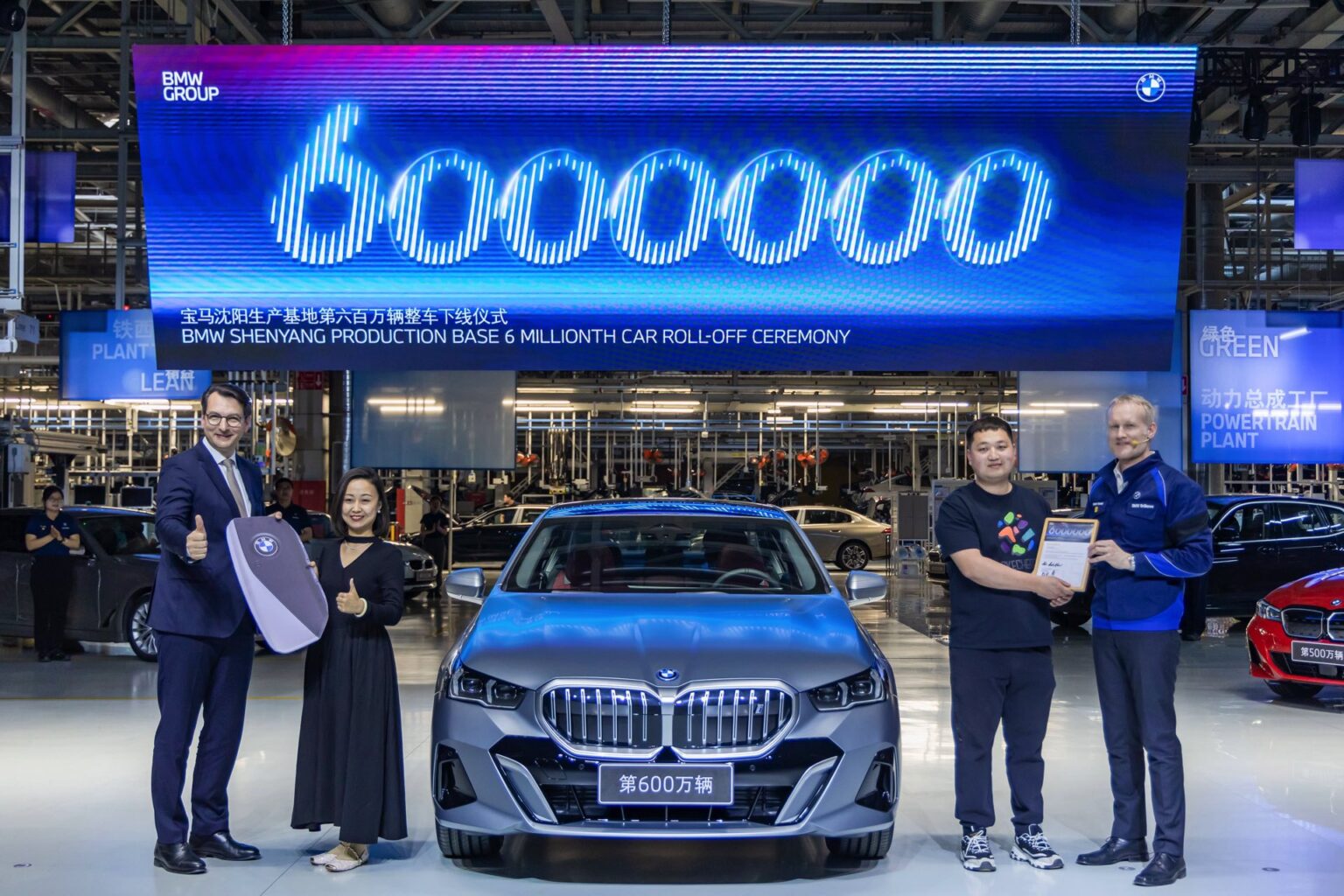
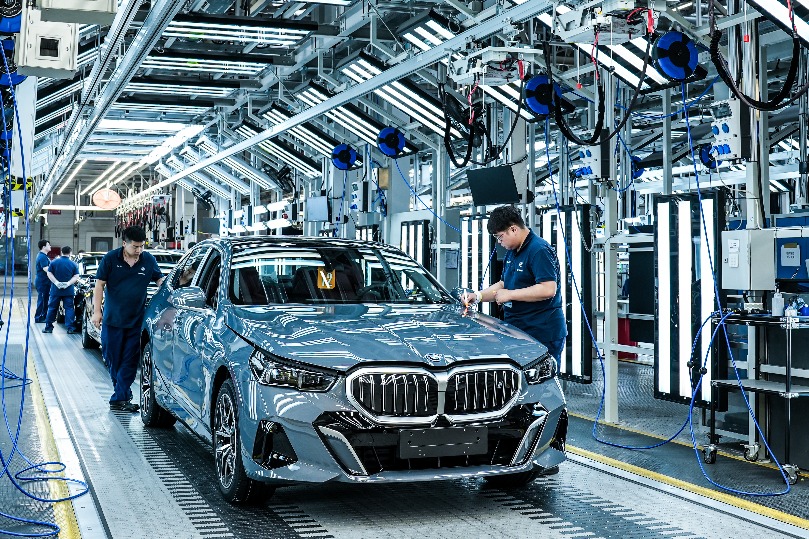
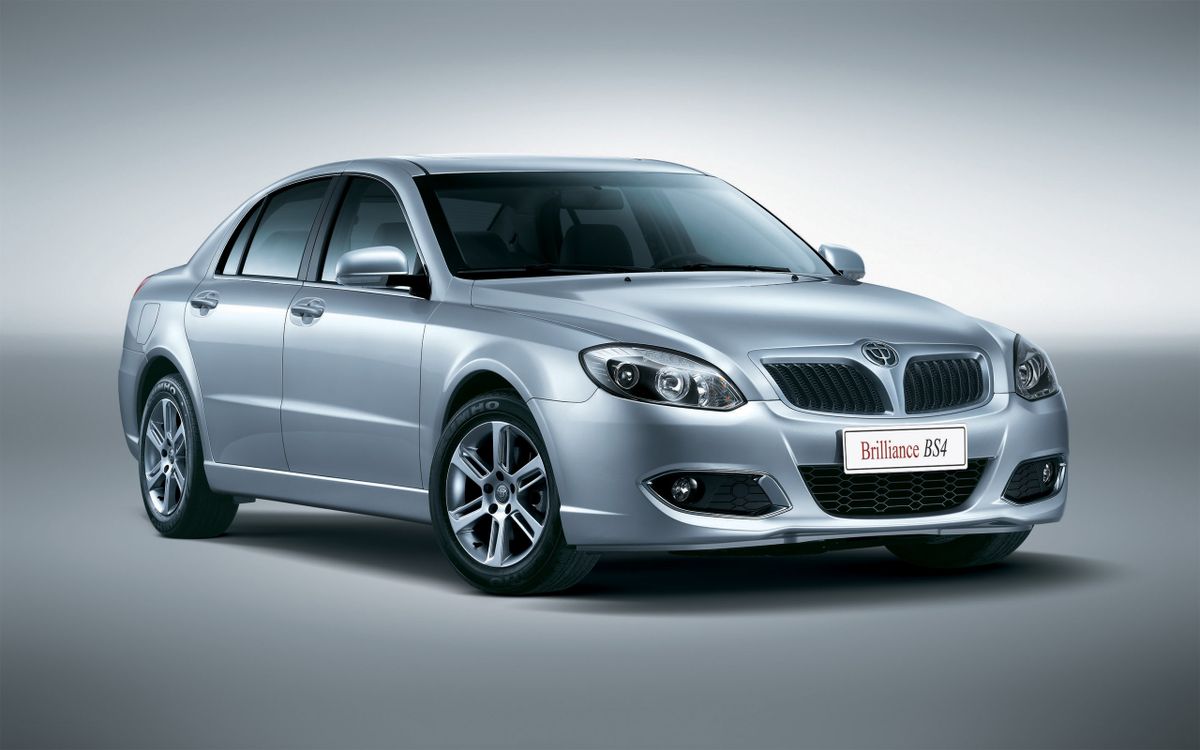
For two decades, Brilliance's identity was effectively welded to its German partner. The BMW Brilliance Automotive joint venture built sedans and SUVs in Shenyang, and Brilliance's own-brand products — the Zhonghua sedans, the Jinbei vans — traded on the halo of that association. But the halo was always borrowed. Brilliance never developed the engineering depth, the brand equity, or the cost discipline to compete once China's domestic market matured into the world's most brutal automotive battlefield. By the time BMW moved to raise its stake, Brilliance was a company running on fumes and legacy contracts.
The Arithmetic of a Borrowed Future
The debt spiral is now a matter of public record. Brilliance Auto's parent entered bankruptcy proceedings, its bonds defaulted, and creditors pursued lawsuits over $457 million in obligations. The restructuring was not a surprise to anyone watching the balance sheet; it was the inevitable arithmetic of a manufacturer that had outsourced its future to a partner with no obligation to protect it. The 30% collapse in Brilliance shares when BMW's control plan was announced told the story more succinctly than any analyst note: the market understood that the joint venture was the only asset of value, and Brilliance was now selling it down.
That is where the 25% stake becomes something more than a residual holding. It is a staged exit. BMW's $4.2 billion payment did not merely buy control; it bought Brilliance time — enough to stagger through restructuring, satisfy creditors, and wind down an enterprise that no longer had a viable independent path. Renault, which had signed a strategic cooperation agreement with Brilliance and the Liaoning provincial government, found itself restructuring its own China joint venture as the partner it bet on dissolved beneath it. Even Goldman Sachs briefly doubled its target price on the stock, a piece of financial theatre that did nothing to change the fundamental trajectory.
The Zombie Brand Cull
There is a broader pattern here, and it is not flattering to Brilliance specifically. Chinese regulators have begun permanently freezing the vehicle production qualifications of established automakers, part of a deliberate cull of so-called zombie brands — manufacturers kept alive by state support, legacy licenses, and the reluctance of local governments to accept closure. Brilliance sits squarely in that category. The state intervention that once sustained it has now turned toward ending its linger, and the BMW buyout gave all parties a face-saving mechanism: a foreign partner absorbing the productive assets while the shell was allowed to fail quietly.
The irony is sharp. Brilliance spent twenty years as the junior partner in a venture that built some of the most desirable cars in China, and it exits with nothing to show for it but a minority slice of the business it once half-owned. The Zhonghua brand, once positioned as a national champion of Chinese luxury sedans, is effectively finished. The Jinbei commercial line has been carved up and restructured. What remains is a holding company managing its own dissolution.
Control Without Friction
BMW, for its part, gets what it always wanted: full operational control of its most important production base outside Germany, without the friction of a Chinese partner whose interests diverged from its own. The German maker has been careful to frame the takeover as a commitment to China, not a retreat from partnership. Both things can be true. BMW is deepening its presence in the world's largest car market while simultaneously removing the partner that made that presence possible. It is a clean, clinical piece of corporate surgery.
The lesson for the rest of the industry is uncomfortable but clear. Joint ventures built on regulatory necessity rather than genuine capability transfer are not durable assets. Brilliance had access to BMW's engineering, its standards, and its global supply chain for two decades, and it converted none of that into independent competitive strength. When the rules changed and foreign ownership caps lifted, the partnership's logic evaporated overnight.
Brilliance's 25% stake is not a foothold. It is a receipt — proof of what was sold, and a reminder of what was never built. The brand that once leaned on borrowed engineering now exits on borrowed time, and the automotive world is left with a cautionary tale about what happens when a company mistakes proximity to greatness for greatness itself.