When Brilliance Auto defaulted on RMB 6.5 billion in bonds in late 2020, it looked like a singular corporate casualty — a once-proud state champion undone by overreach, weak sedans, and an unhealthy dependence on its BMW joint venture. Five years on, the picture is clearer. Brilliance wasn't an isolated failure. It was the first domino in a structural reckoning, and its slow-motion collapse became the template for how Beijing now handles its so-called zombie automakers.
The recent freezing of production qualifications for eight established manufacturers is the direct legislative echo of the Brilliance debacle. What happened in Shenyang didn't stay in Shenyang. It reshaped national policy.
The Mechanics of a Slow Collapse
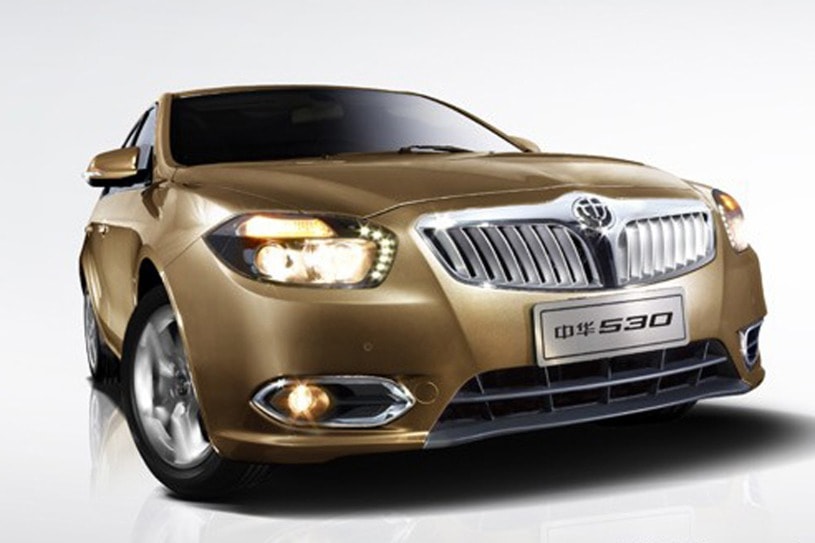
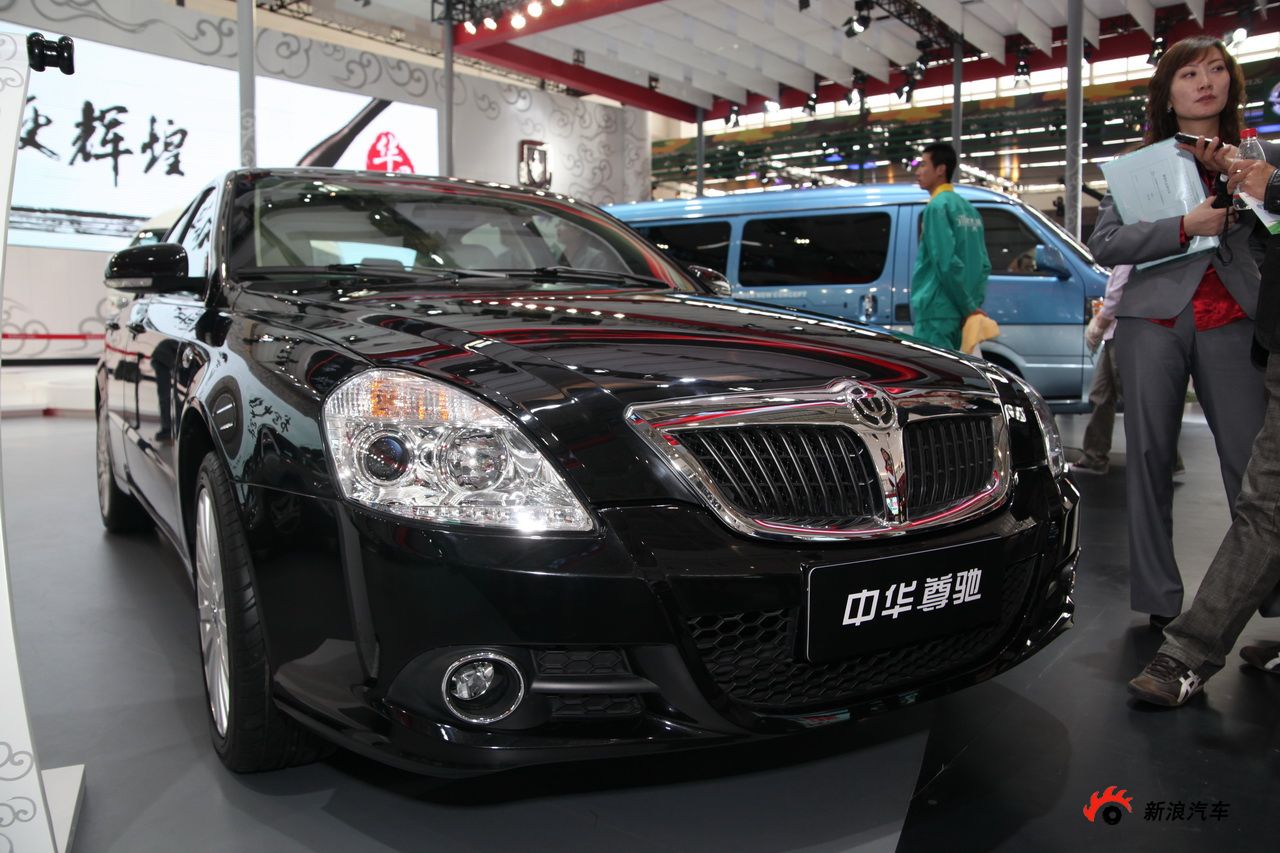
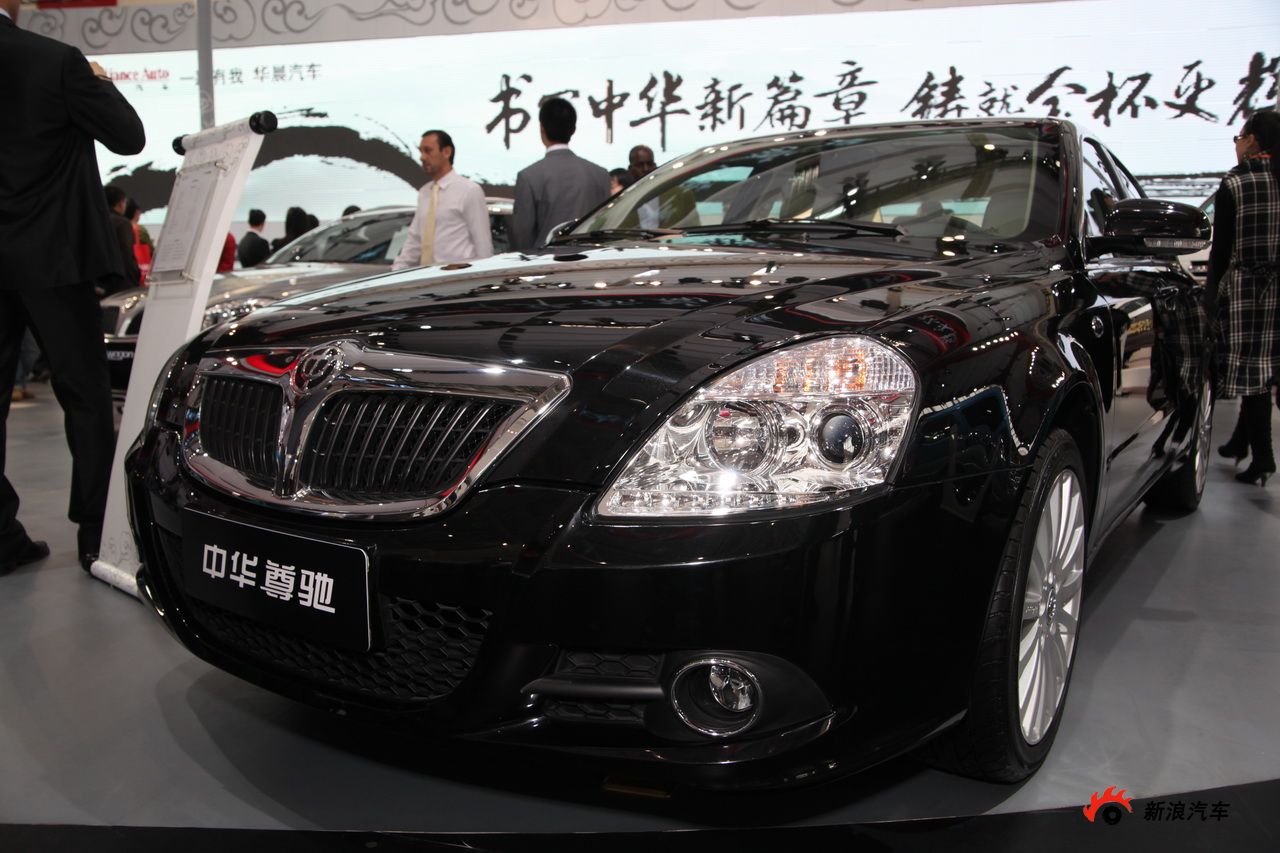
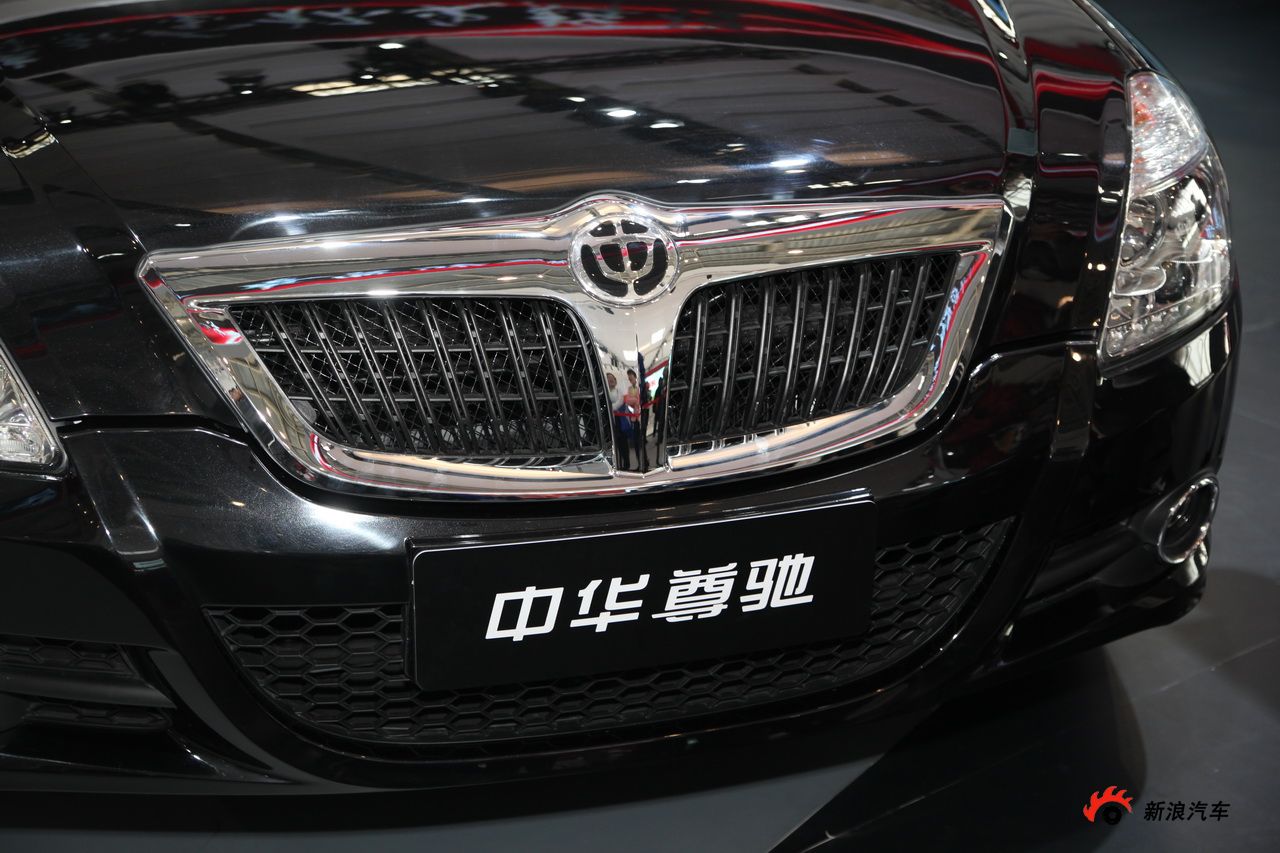
The anatomy of Brilliance's failure is instructive. Its own-brand sedans — the Zhonghua line foremost among them — never achieved the scale, margin, or brand equity needed to stand alone. For years, the group's passenger-car division was effectively subsidised by dividends from BMW Brilliance Automotive, the joint venture in which the German marque held a 50 percent stake. That arrangement insulated Brilliance from market discipline and allowed loss-making sedan programmes to persist long after demand had evaporated.
When BMW announced in 2018 that it would raise its stake to 75 percent — a deal it ultimately closed for $4.2 billion — Brilliance's shares fell 30 percent in a single session. The market's verdict was brutal and immediate: strip away the German partner, and there was precious little left. The lesson for regulators was blunt. A carmaker whose solvency depends entirely on a foreign partner's goodwill is not a carmaker at all. It is a shell.
The Cascade
What followed was a cascade. Brilliance entered restructuring, faced lawsuits over $457 million in unpaid obligations, and weighed selling a 25 percent slice of the JV to raise cash. Its Renault light-commercial-vehicle venture filed for bankruptcy in China. Shenyang authorities quietly explored taking over Brilliance's major owner — a tacit admission that market exit, not rescue, was the realistic path.
Each headline reinforced the same conclusion inside the National Development and Reform Commission and MIIT: the industry's chronic overcapacity could no longer be financed by provincial governments protecting local champions at any cost. The bill had come due, and no amount of regional pride could cover it.
The Policy Reckoning
The policy response has been unusually decisive. Beijing has now permanently frozen the vehicle production qualifications of eight established automakers, ending the long-standing practice of zombie firms renting out their licences to would-be entrants while producing almost nothing themselves. The language of the recent 36Kr analysis — shut down, merge, restructure, transform — reads like a menu of prescribed outcomes rather than a warning.
Brilliance is the precedent that made such intervention politically viable. If a company of its size, with its joint-venture pedigree and its provincial backing, could be allowed to fail, no weaker player has a credible claim to protection. The freeze isn't a crackdown. It's a clean-up.
What Survives, and How
The contrast with China's surviving champions is stark. BYD, Geely, and the new-generation EV specialists are exporting, building plants abroad, and competing on technology rather than licence arbitrage. They earn their place in the market the old-fashioned way: by building cars people want to buy.
Meanwhile, the Brilliance saga has reshaped how foreign partners think about Chinese JVs. BMW's majority takeover, once seen as a one-off, now looks like the opening move in a broader renegotiation of who actually controls value in these partnerships. Renault's retreat from its Brilliance venture underscored the same point from the other direction. The joint-venture model that defined a generation of Chinese auto manufacturing is being rewritten in real time.
Brilliance Auto will not be remembered as a great car company. It will be remembered as the case that proved consolidation was unavoidable — the moment China's automotive establishment stopped pretending that every licensed manufacturer deserved to survive. The purge now underway is not a crisis for the industry. It is the industry finally admitting what Brilliance's empty sedan lines had been saying for years.