Once upon a time, Brilliance Auto built China's first independently developed turbocharged sedan engine and held the controlling stake in a joint venture that assembled BMWs for the world's largest car market. That was a brand with its foot flat on the floor. Today, the Shenyang-based conglomerate is coasting on fumes — defaulting on bonds, swatting away lawsuits, and carrying roughly RMB 45.7 billion in unpaid obligations while its passenger-car dreams quietly seize. The latest blow: eight established automakers have had their vehicle production qualifications permanently frozen as part of a state-directed campaign to end the "linger" of China's zombie automotive brands. For Brilliance, the message from Beijing is about as subtle as a rev limiter. The question is no longer whether the sedan business can be saved. It is whether the brand can survive at all on the proceeds of a far humbler trade: building vans.
The Renault Gambit
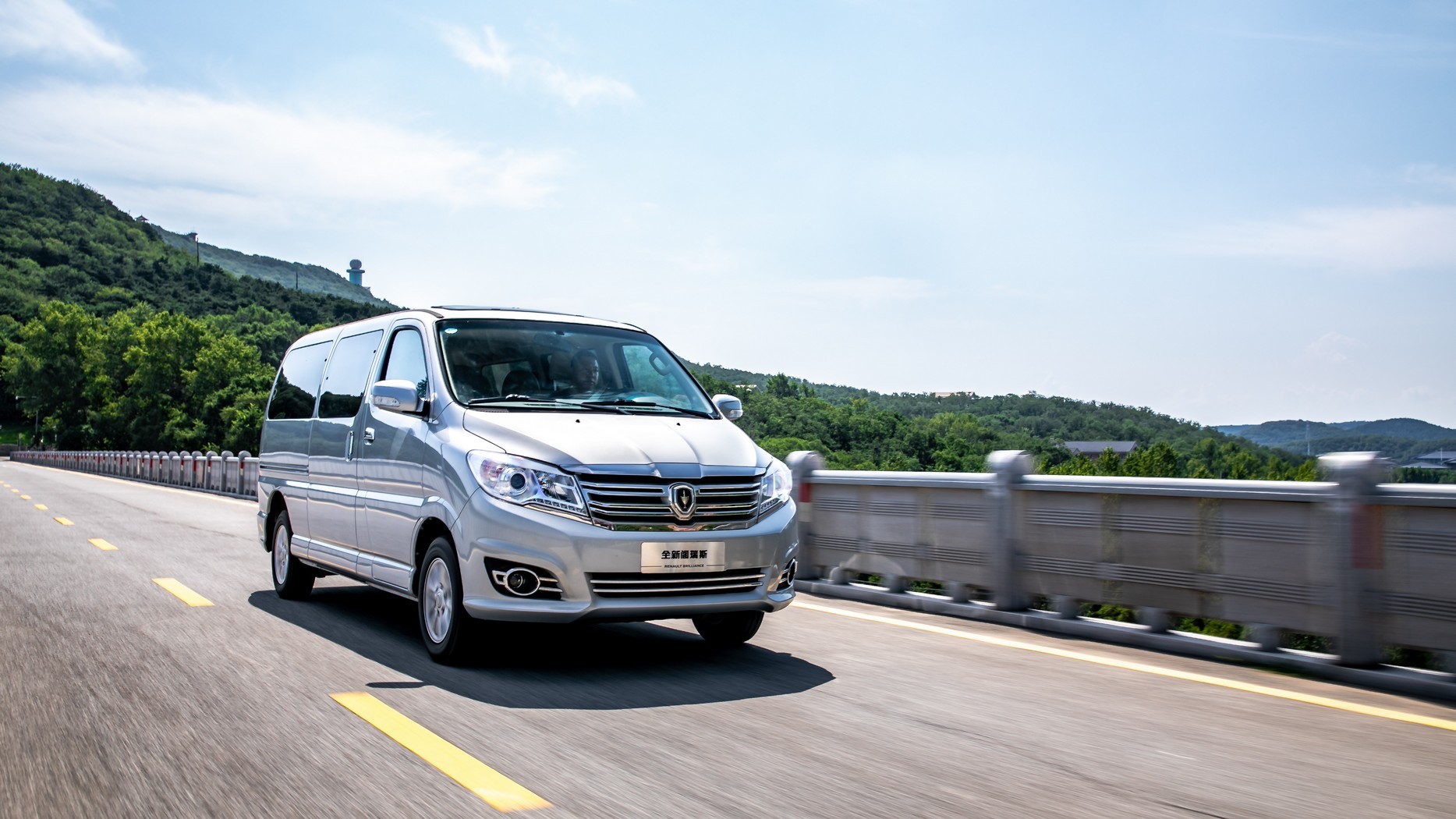
That van money arrives courtesy of Renault. The French automaker and Brilliance signed a strategic cooperation agreement with Liaoning province to form a light commercial vehicle joint venture — a partnership that has since produced electric cargo vans and a modest pipeline of utilitarian models. On paper, the logic holds together: Renault brings commercial-vehicle engineering and global distribution, Brilliance brings a Shenyang manufacturing footprint and local political cover, and Liaoning province brings the desperate desire to keep factories humming and workers employed.
In practice, the venture is a rounding error against the scale of Brilliance's liabilities. Light commercial vehicles in China are a low-margin, high-volume business dominated by domestic players like Wuling and Foton, and Renault's own China commercial-vehicle record is hardly a template for revival. A few thousand electric vans a year cannot service a debt stack built on passenger-car hubris. This is not a lifeline; it is a temporary reprieve, and everyone in the room knows it.
Sold for Parts
The deeper problem is that Brilliance has already sold the family silver. When BMW paid $4.2 billion to raise its stake in the Brilliance-BMW joint venture to 75 percent, it didn't just take control of the most profitable asset in Brilliance's portfolio — it converted the parent company from a partner into a minority rent-collector. Brilliance Auto has since denied reports it is mulling a sale of its remaining 25 percent stake, but the denial rings hollow in a restructuring proceeding where every asset is effectively for sale at the right price.
Shenyang's municipal government has reportedly weighed a takeover of Brilliance China's major owner, a move that would formalize what is already true: the company is a ward of the state, not a functioning automaker. Beijing's decision to permanently freeze the production qualifications of eight legacy automakers signals that the state's patience with such wards has finally run out. Brilliance's passenger-car qualification may already be functionally dead; the only question is when the paperwork catches up.
The Fate of the Second Tier
If Brilliance survives at all, it will survive as a contract manufacturer for Renault's commercial ambitions — a badge on the side of a cargo box rather than a marque on a sedan's grille. That is not a humiliation unique to Brilliance; it is the fate of most of China's second-tier auto brands in an elimination race that now rewards only scale, electrification, and state-backed champions like BYD and Geely.
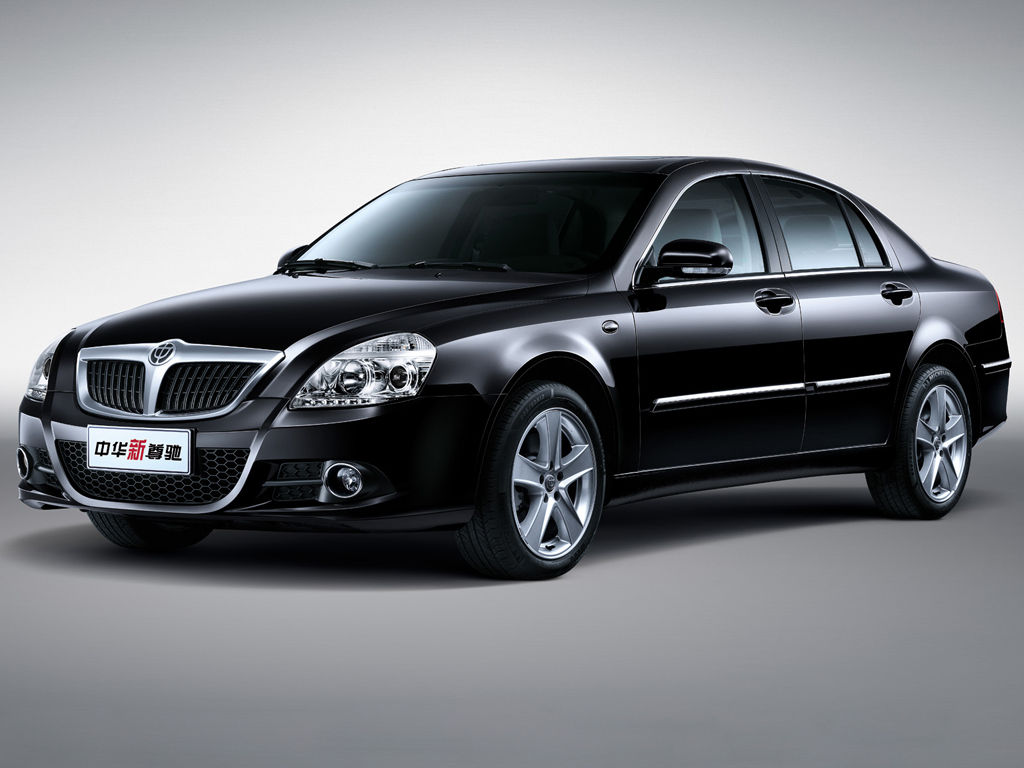
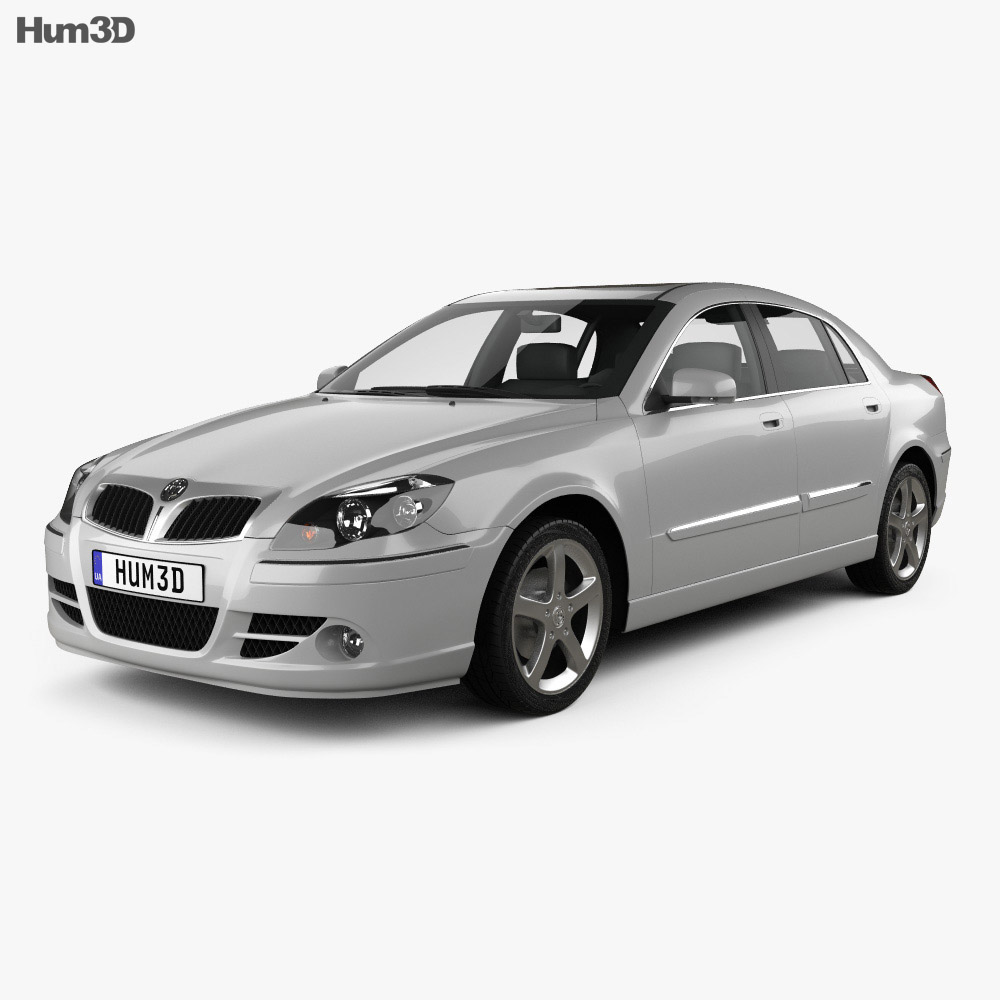
The sedans that once carried the Brilliance name — the Zhonghua line, sold with genuine ambition and remembered mostly for its quality problems — are gone. What remains is a legal entity with a factory, a joint venture stake, and a French partner willing to pay for the use of both. Whether that constitutes survival or merely a longer, quieter form of liquidation depends entirely on how one defines the word. For the workers of Shenyang, the distinction may not matter. For the brand itself, it is the difference between an obituary and a footnote.