The headlines have a grim, almost inevitable rhythm to them. “Borgward Is Dead Again,” wrote Jalopnik, with a bluntness that stings. Motor1.com confirmed the bankruptcy. CarScoops noted the collapse came seven years after the relaunch, a failure to penetrate the Chinese market. And the Top Gear verdict, perhaps the most cutting of all, framed the whole affair as an “Epic Fail: the little-known German brand that failed not once, but twice.” To read the coverage in aggregate is to witness a case study in how not to resurrect an automotive marque.
Yet the autopsy reports have largely focused on the financials, the market forces, the dizzying sums of Chinese capital that evaporated. What they have largely overlooked is the more fundamental, more tragic failure: Borgward died a second time because it abandoned the very design soul that made the original worth reviving in the first place.
The Soul Worth Reviving
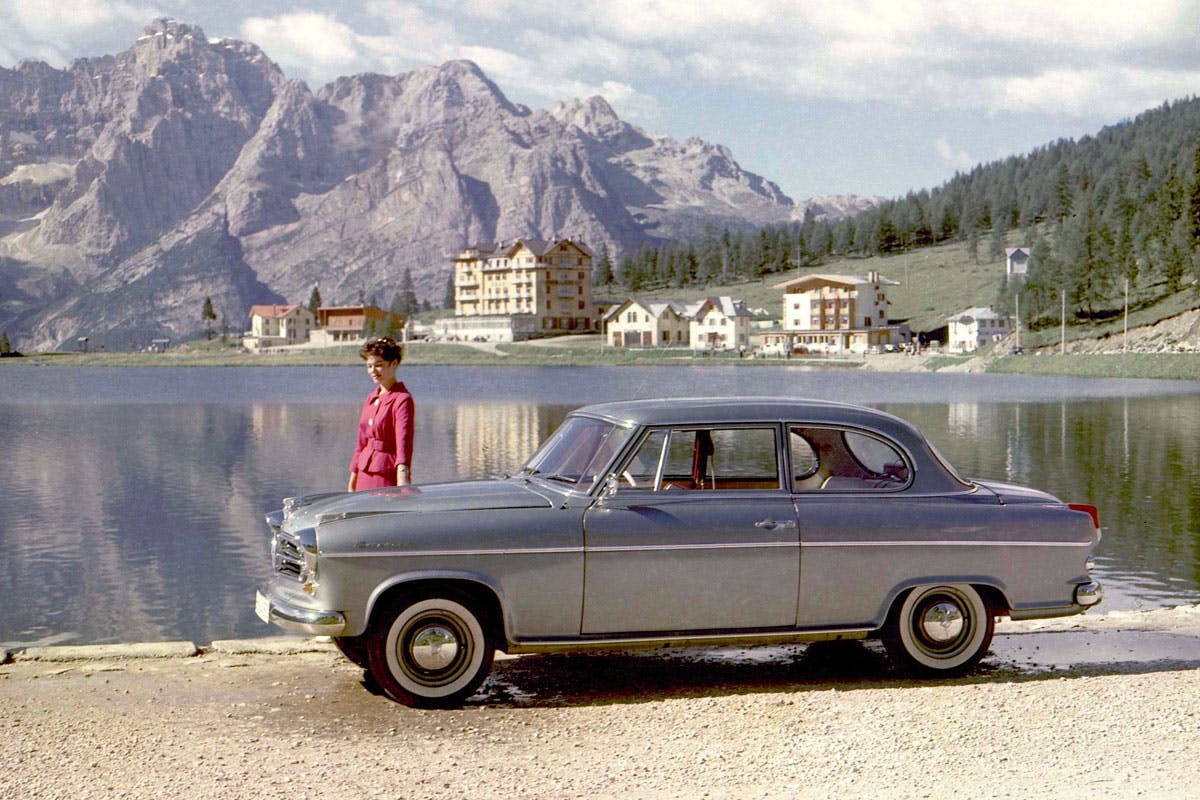
It is worth remembering what that soul looked like. The Borgward Isabella, particularly in its Coupé form, was not merely a competent mid-century German saloon. It was a study in restrained elegance, a shape so perfectly proportioned that it has aged into a genuine classic. The recent Hagerty feature on a 1959 Borgward Isabella Coupé found in a final parking space is a poignant reminder of what was lost; the News24 retrospective on the “gorgeous” Isabella Coupé strikes the same note. Even the humble Arabella de Luxe, a later and less celebrated model, possessed a distinct character, a charm that has kept it alive in the collector consciousness, as evidenced by its appearance at the Essen Motor Show. The original Borgward, for all its commercial troubles, built cars with a point of view. They had a face. They had a soul.
The Concept That Promised Everything
The revival, bankrolled with Chinese money and orchestrated under the banner of a new German lease on life, had a single, glittering opportunity to honour that legacy. The Borgward Isabella Concept, unveiled to considerable acclaim, was precisely that opportunity. As Car Design News noted in its design review, the concept was a striking, modern reinterpretation of the original’s spirit. It was a manifesto. It promised a future where the brand’s historic design language could be translated into something relevant and desirable for a new era. It was the one credible bridge between the beloved past and a viable future.
The Bridge, Torched
And then, the bridge was torched. The production cars that actually reached showrooms, the BX7 and the BX6, were not descendants of that exquisite concept. They were generic, forgettable crossovers, indistinguishable from the glut of high-riding SUVs flooding the market. The BX6, with its “coupe-like” roofline, was a cynical nod to a passing trend, not a design statement. The Green Car Reports coverage of their Geneva debut, touting plug-in hybrids and old German names with Chinese owners, underscored the problem: the emphasis was entirely on the business case, the technology, the market positioning. The design was an afterthought, a box to be ticked. The Autoweek piece on the “Borgward experiment” hitting a rough patch now reads as a tragically early obituary for a project that had already lost its way.
A Nameplate Is Not a Brand
The lesson is as old as the industry itself: a nameplate is not a brand. A badge is not a soul. The Chinese investors who funded the revival purchased the intellectual property, the history, the right to use the name. What they could not buy, and what they ultimately failed to understand, was that the equity in the Borgward name was almost entirely aesthetic. It resided in the graceful lines of the Isabella, in the memory of a car that stood for something more than mere transportation. By replacing that design DNA with anodyne, market-chasing utility vehicles, they squandered the only real asset they had. They built cars that no one needed and, crucially, no one desired.
The little-known German brand that failed twice did not fail for lack of capital or engineering. It failed because it forgot that the first rule of resurrection is to honour the ghost you are summoning.