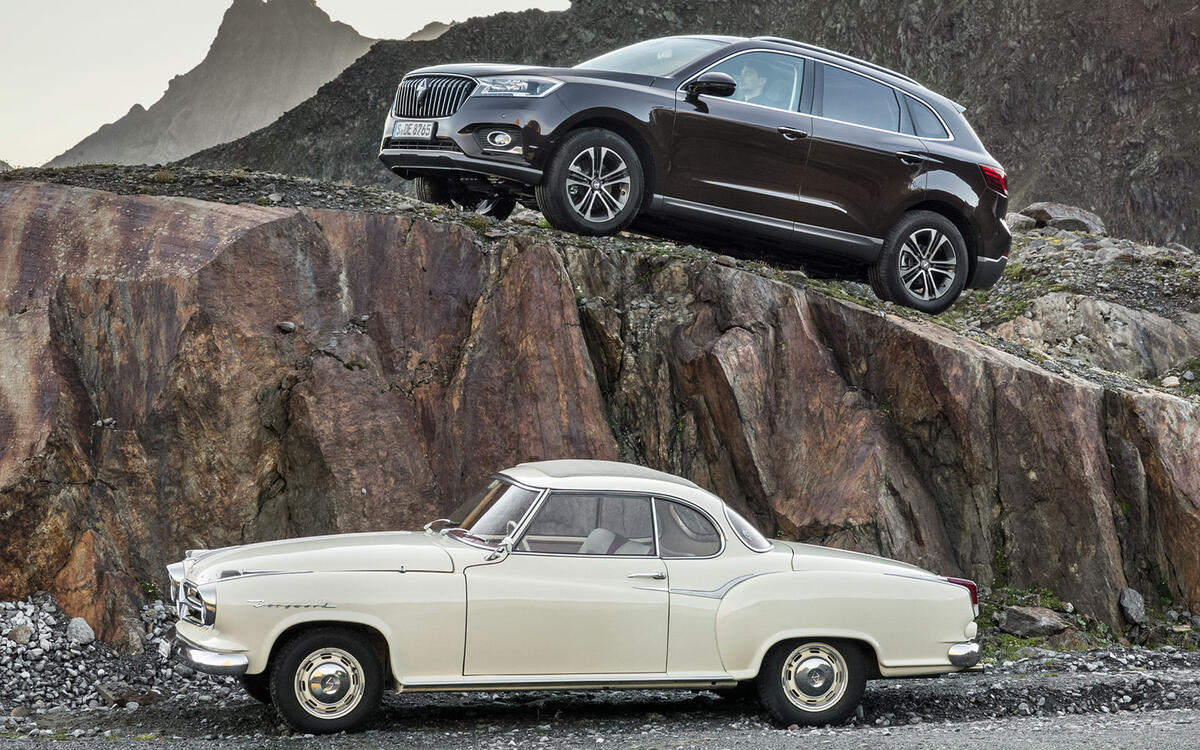
Twice now, the automotive world has watched the Borgward name rise, shine, and gutter out. Twice now, the lesson has gone unlearned. In postwar Bremen, Carl Borgward built cars people genuinely lusted after — the Isabella, the P100, the Lloyd and Goliath marques — before the whole empire folded into insolvency in 1961, undone by over-expansion, creditor pressure, and a local government with no appetite to save it. Decades later, a Chinese truck manufacturer called Foton — part of the Beiqi Foton Motor group — bought the dormant name and relaunched Borgward in 2015 as a premium SUV brand. By 2022, it had filed for bankruptcy. Again.
The symmetry is almost too neat. It demands the obvious question: what did the 1950s Germans understand about building a car brand that their 21st-century Chinese owners did not? The answer, broadly, is everything that matters and nothing that can be bought.
The Engineer's Engineer
Carl Borgward was, above all, an engineer's engineer. He built cars around genuine technical ambition — the Isabella's unitary construction and sophisticated suspension, the Hansa 1500's place in the history of the postwar German saloon, the P100's startling combination of space, performance and price. These were machines with a point of view. They had character, and character is the one thing a revived brand cannot fake, because it is not a marketing asset. It is the residue of decisions made by people who cared about something other than the badge.
When Foton relaunched Borgward, it did the opposite. It began with the name, then reverse-engineered a brand around it.
Competent, Well-Equipped, Forgettable
The BX7 — and later the BX5 and BX3 — were competent, well-equipped crossovers. The kind of vehicles that could have worn any number of badges without anyone noticing. The company leaned heavily on the German heritage in its marketing, opening an engineering centre in Stuttgart and a design studio in Oslo, and presenting the cars at Geneva as though the ghost of Carl Borgward were looking on approvingly.
But a brand is not a coat of arms. It is a promise, and the promise has to be made in metal, not in press releases.
Inside Out, Upside Down
The 1950s Borgward succeeded because it grew organically, from a man who had been building vehicles since the 1920s and who understood exactly what his customers wanted and why. The 2010s Borgward failed because it was assembled from the outside in — a name, a segment, a price point, a marketing narrative — with no underlying reason to exist.
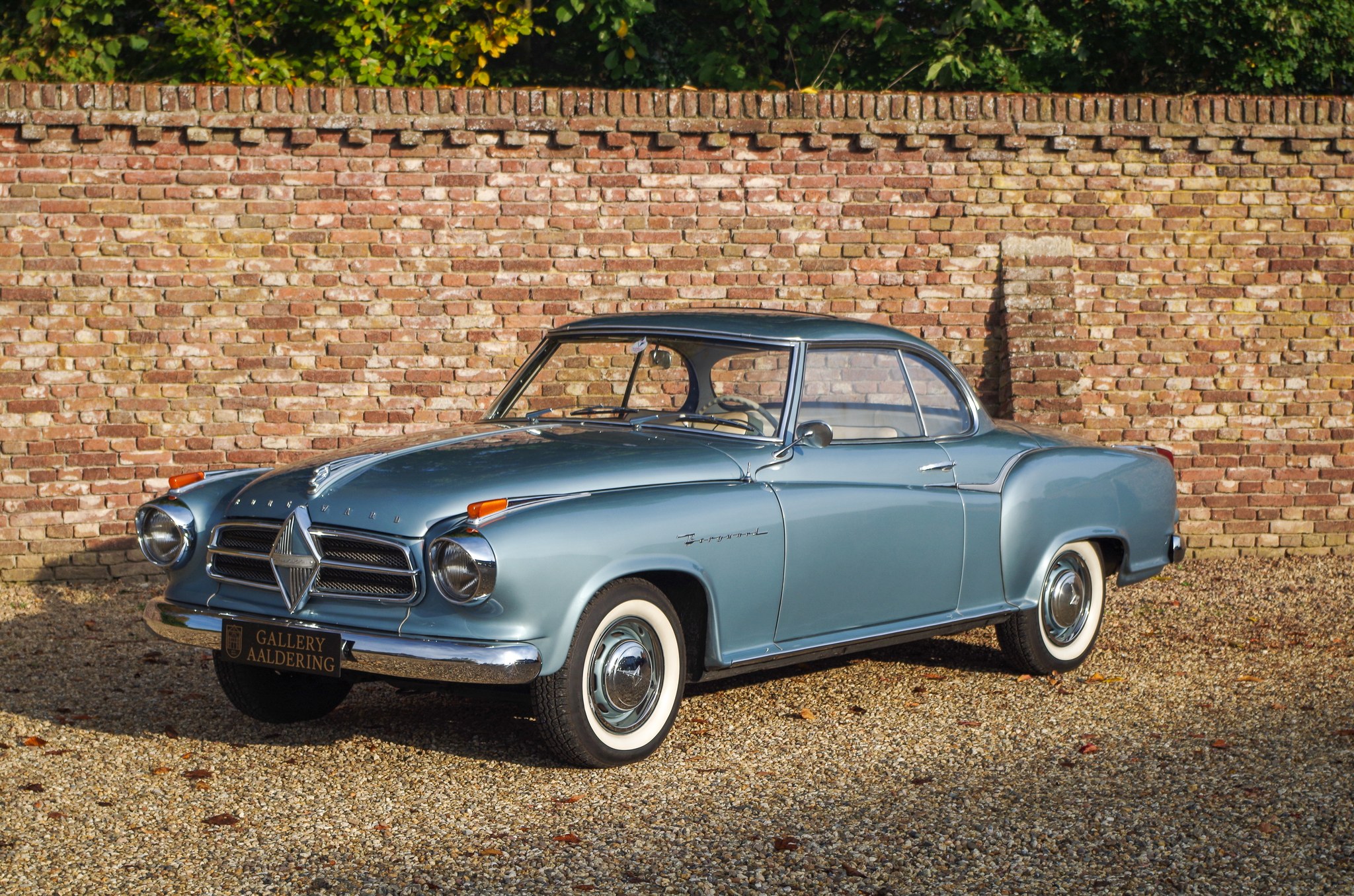
The Isabella Coupé is still celebrated by enthusiasts today, and rightly so, because it was a beautiful, distinctive, mechanically interesting car that happened to be built by a company with a soul. The BX7 is not celebrated by anyone, because there is nothing to celebrate.
Heritage Is a Debt, Not a Licence
It is tempting to frame this as a German-versus-Chinese story, but that would be lazy. The problem was not the nationality of the owners. It was the assumption that heritage is a transferable asset — that you can buy a name, wrap it around a generic product, and expect the market to respond as though the intervening sixty years had not happened.
Heritage is not a licence. It is a debt, and it has to be paid in engineering, in conviction and in time. Foton paid none of it, and the brand died a second death that was entirely deserved.
Carl Borgward, for all his flaws, knew that a car company is a point of view before it is a product line. His successors forgot that, and the market reminded them.