The obituary had already been written once before. When news broke that Borgward — the German marque resurrected in 2015 on a wave of Chinese capital and heritage nostalgia — had filed for bankruptcy a second time, the industry reaction carried the weary familiarity of a sequel nobody requested. Carscoops confirmed the death. Motor Authority noted the grim symmetry. Bloomberg, which had once covered the brand's rebirth with cautious optimism, watched the experiment quietly collapse. The verdict was unanimous: another storied badge, another failed revival, another cautionary tale about mistaking a name for a soul.
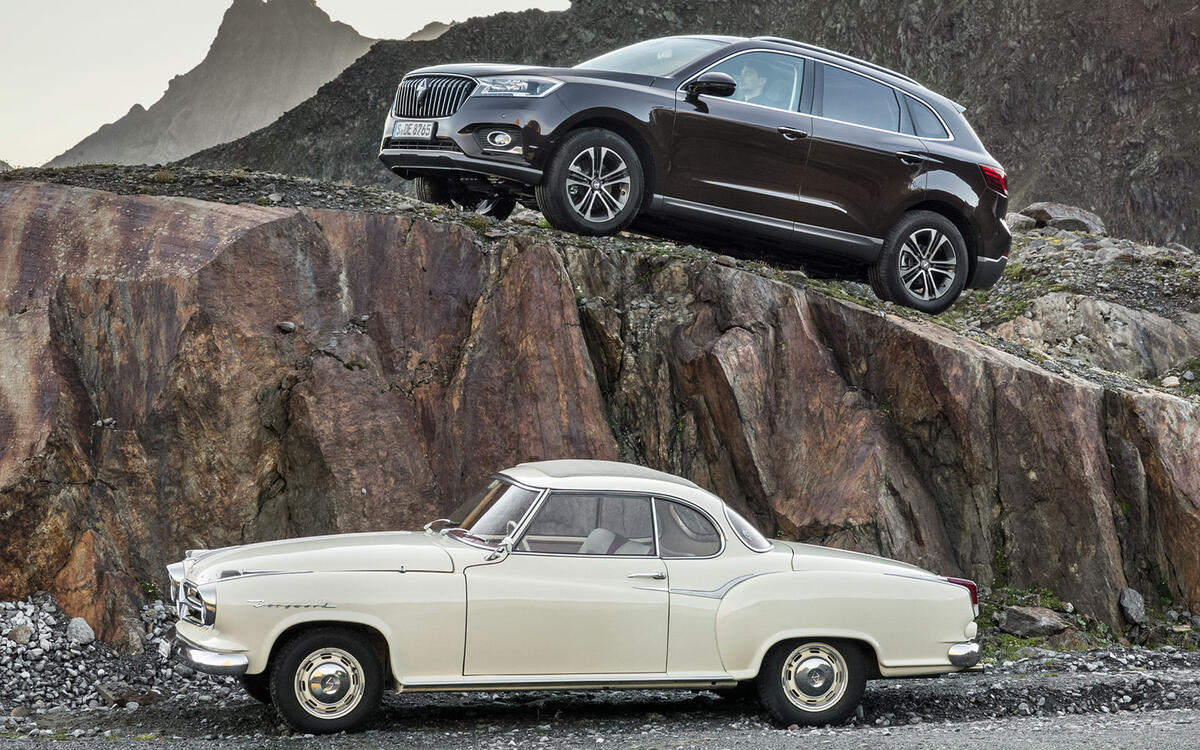
The post-mortems have been predictably clinical. Analysts point to the brutal Chinese SUV market, where Borgward's BX5 and BX7 crossovers were asked to do battle against domestic rivals with sharper pricing and better technology. The brand's positioning was muddled — too expensive to undercut the volume players, too obscure to threaten the premium Germans. Distribution was thin. Marketing was thinner. Autoweek generously called it "a rough patch." In truth, it was a slow-motion surrender dressed up in a business plan.
But the real failure was structural, and it had nothing to do with market timing.
A Brand Built on One Beautiful Idea
Borgward's revival was constructed on the wrong foundation entirely. The new company, backed by Beiqi Foton and later Ucar, chose to relaunch a storied European marque by building generic SUVs. It was a decision that made spreadsheet sense and historical nonsense. Because Borgward's entire enduring appeal — the reason enthusiasts still speak the name with reverence, the reason Hagerty publishes reverent photo essays about abandoned examples, the reason HotCars can list ten reasons why the Isabella Coupé remains beloved — rests on a single, gorgeous truth: Borgward built one of the most beautiful luxury coupés of the twentieth century.
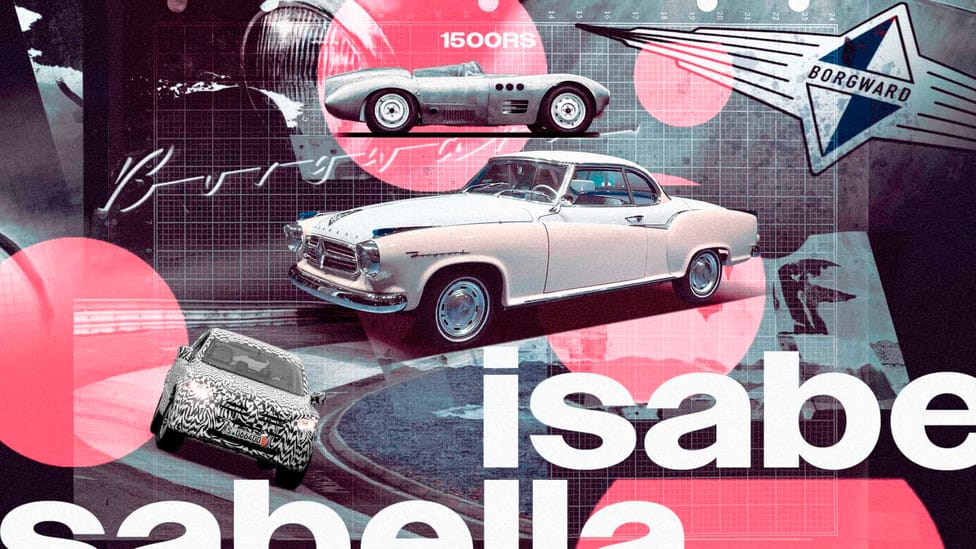
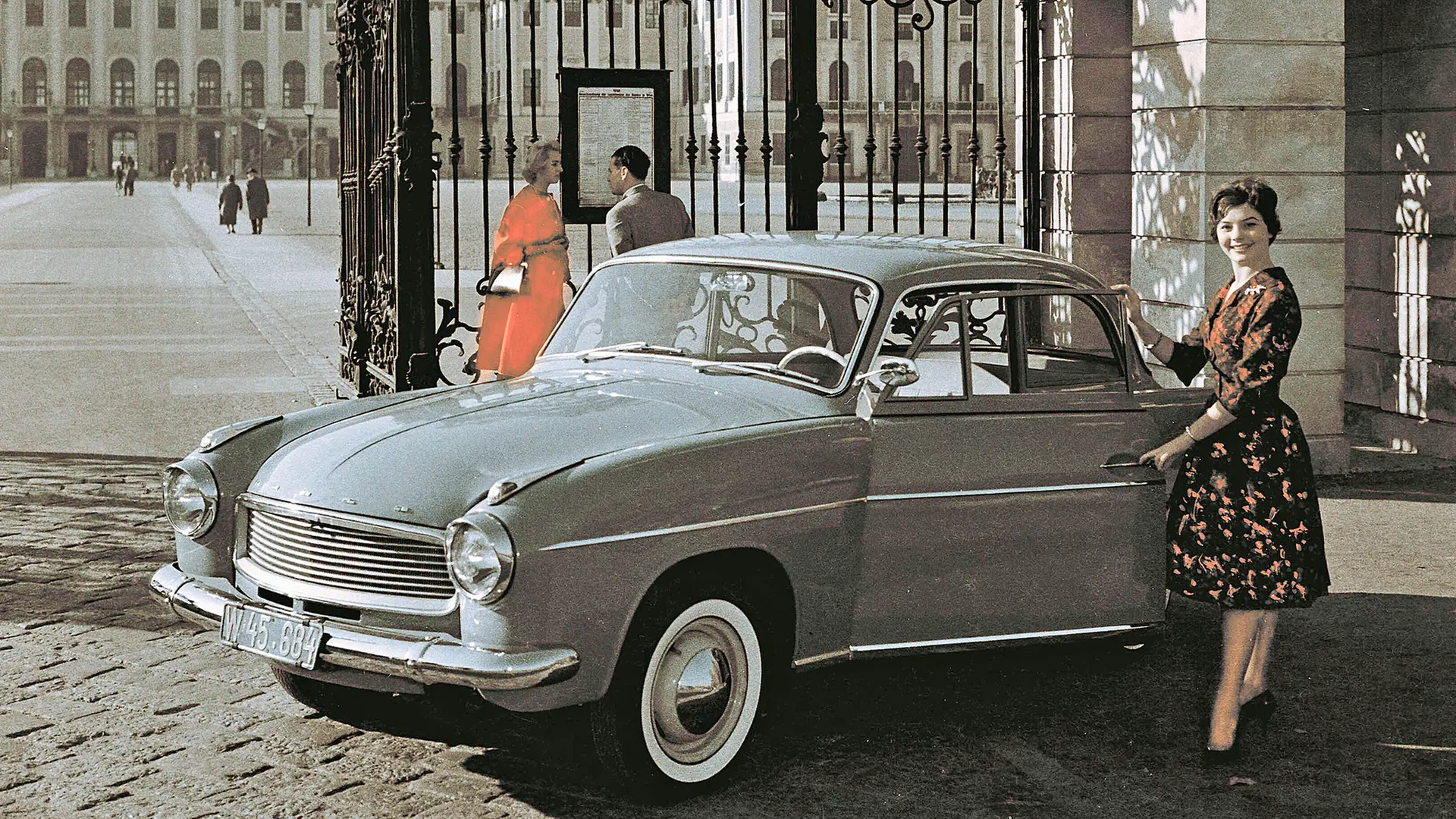
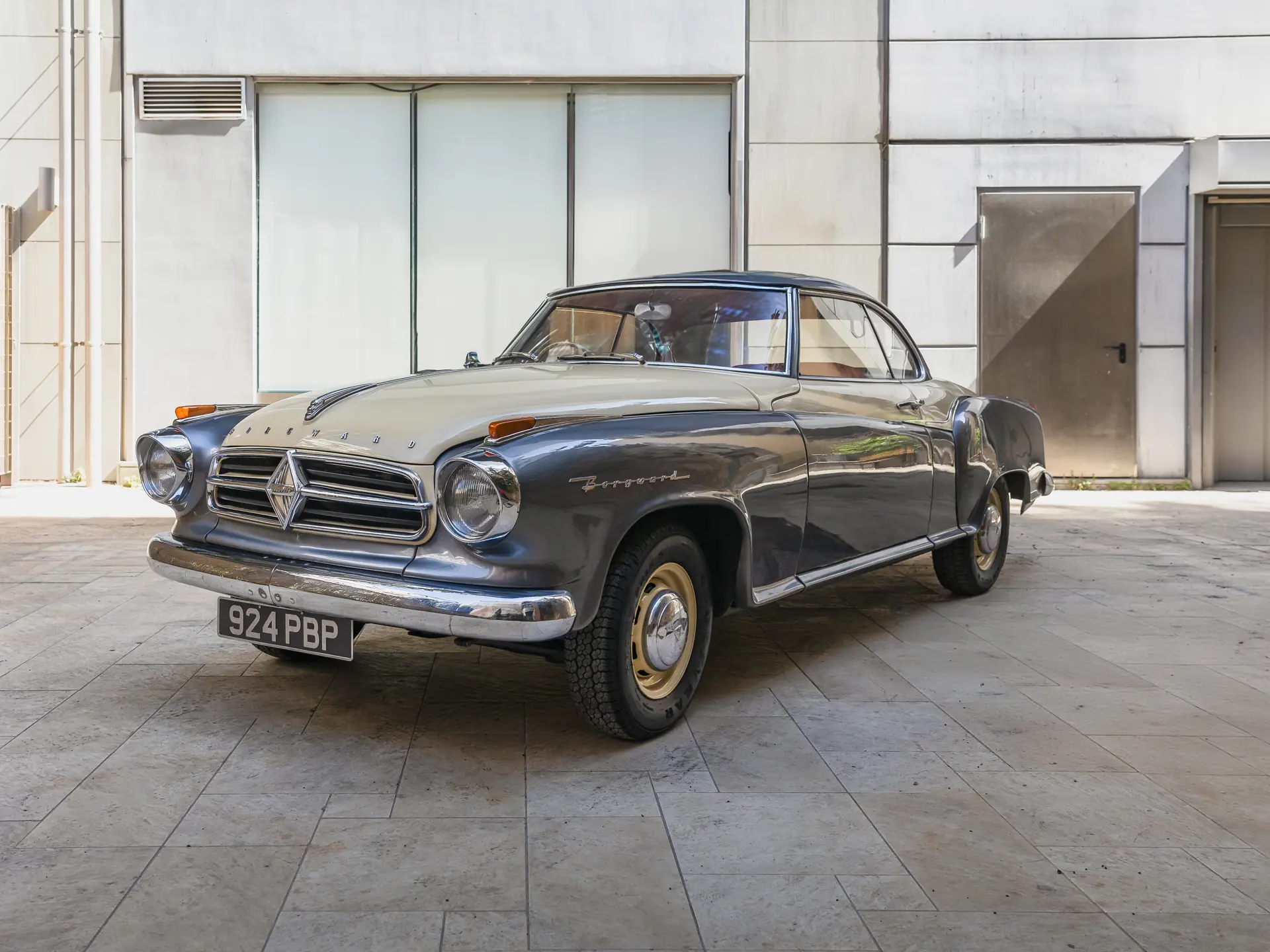
The Isabella Coupé was never a utilitarian conveyance. It was a statement. When it debuted in 1957, it offered elegant proportions, a pillarless roofline, and a level of craftsmanship that rivalled far more expensive machinery. It was the car that made Borgward a genuine competitor to Mercedes-Benz in the luxury space, and it remains the marque's enduring legacy. The Isabella TS Coupé is still celebrated by collectors, still featured as a "Pick of the Day" by classic car journals, still the object of quiet longing among those who understand what postwar German design could achieve at its most lyrical.
That was the brand's equity. That was the reason anyone remembered the name at all. And when the revival finally came, the new Borgward ignored it completely.
The Concept That Showed the Right Path
The 2015 relaunch could have told a different story. The company even showed a concept that hinted at the correct path — a modern Isabella Concept that reinterpreted the original's elegance for the twenty-first century. Car Design News reviewed it with genuine enthusiasm. It was beautiful, restrained, and unmistakably Borgward. It suggested a brand that understood its own history and was prepared to build on it.
That car never reached production. Instead, the company pivoted to crossovers, chasing volume in the world's most competitive segment with a nameplate that carried no recognition there.
This is the central irony of the Borgward revival. The brand's Chinese owners acquired a legacy of European luxury and promptly discarded it. They inherited a reputation for elegance and used it to sell anonymous SUVs. They had the Isabella in their archives and built the BX7 instead. The market, predictably, shrugged.
The Cost of Forgetting Your Own Soul
The tragedy is not that Borgward failed. Brands fail constantly, and the automotive graveyard is crowded with optimists. The tragedy is that it failed while ignoring the one asset that might have saved it. A modern luxury coupé, built in the spirit of the Isabella, would have been a niche proposition — but it would have been a meaningful one. It would have given the brand a reason to exist beyond the spreadsheet. It would have attracted the kind of buyer who cares about provenance and design, the kind of buyer who still reads Hagerty features about forgotten coupés languishing in parking lots.
Instead, Borgward returned as a brand with no past and no future, a name attached to forgettable vehicles. The Chinese money bought the badge but never understood the soul. And the soul, as it turns out, was always in the coupé.
There is a lesson here for every heritage marque contemplating resurrection, and it is not about capital or market timing or distribution strategy. It is about identity. Borgward's enduring beauty was never in its balance sheets. It was in the curve of a roofline, the absence of a B-pillar, the quiet confidence of a car that knew exactly what it was. A brand that forgets what made it beautiful has nothing left to sell but a name — and a name, however storied, is not enough to move metal in a market that has already moved on.