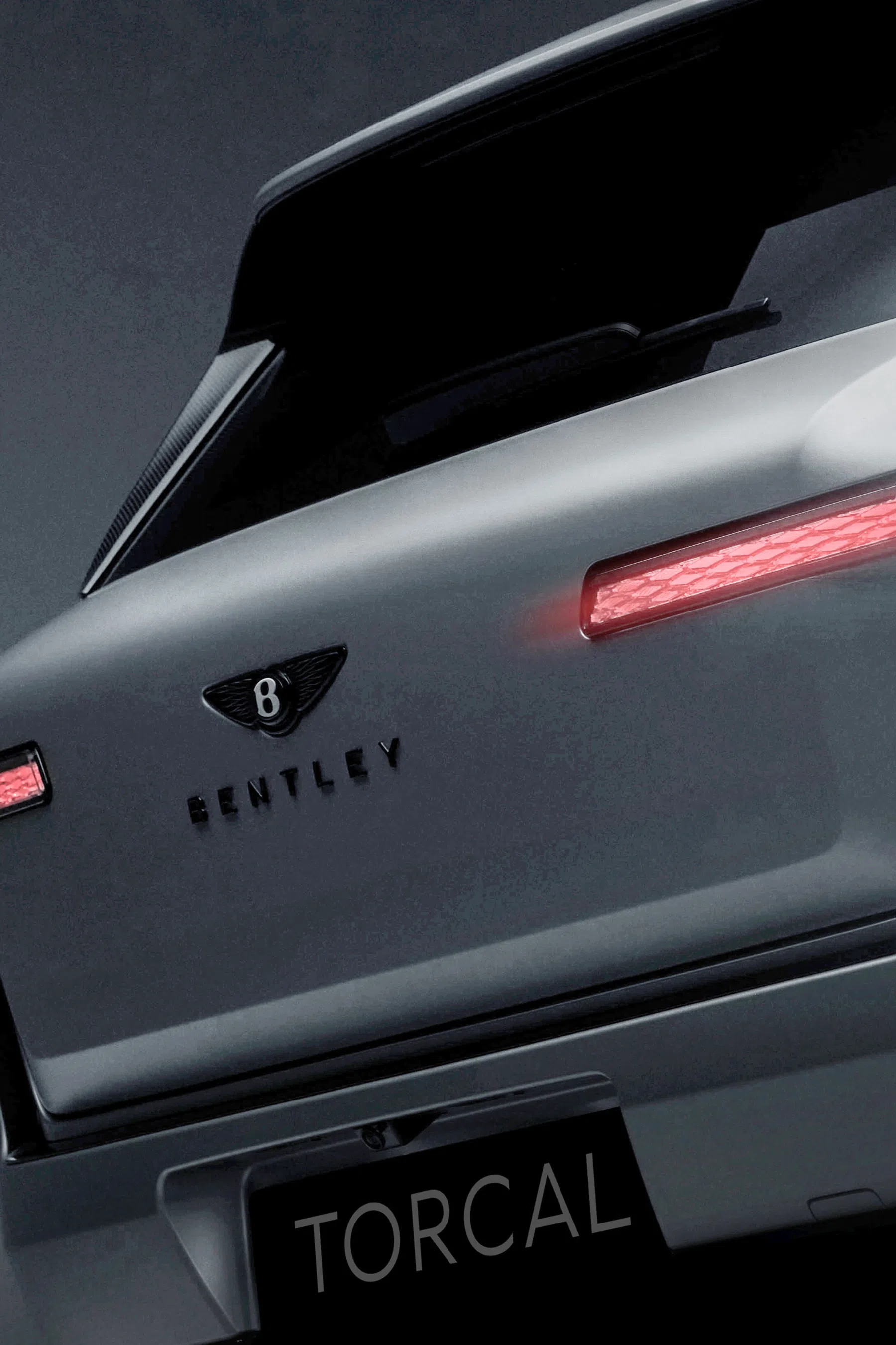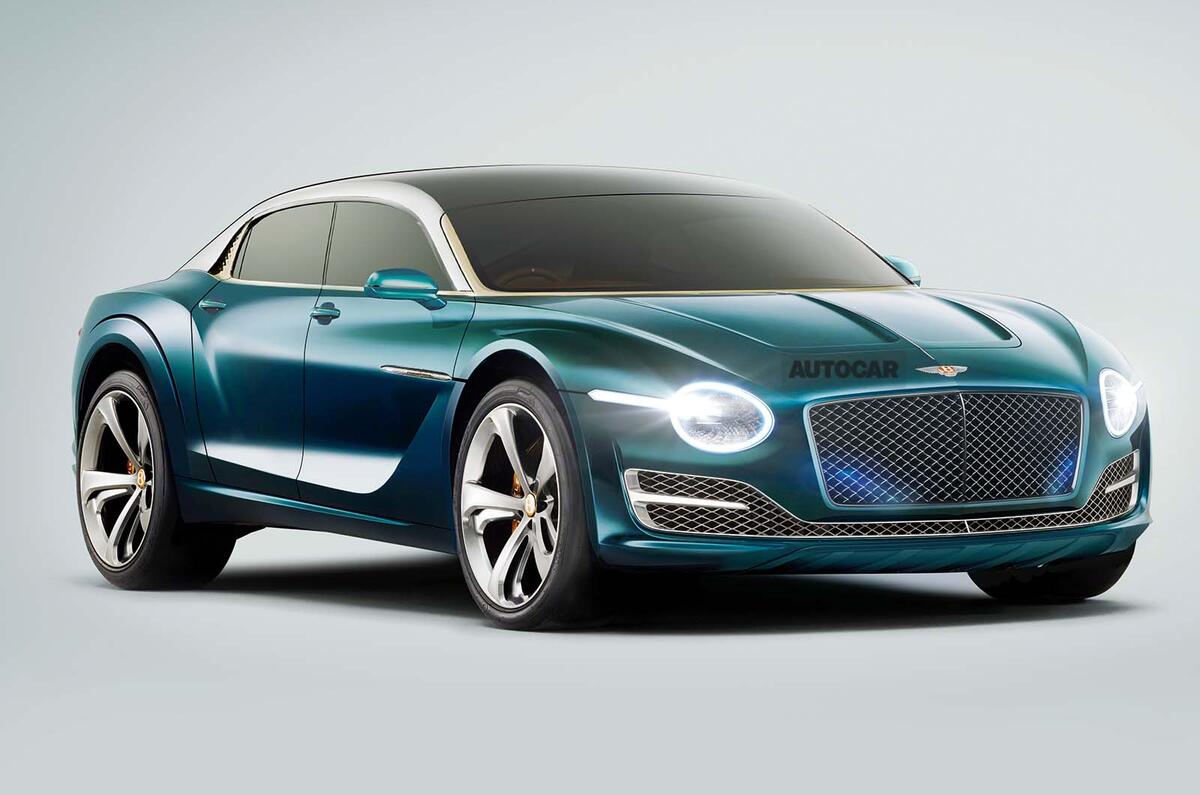
For over a century, the automotive world has measured progress in tenths of a second, horsepower figures, and apex speeds. But in Crewe, a quieter revolution is underway—one that challenges the very premise of what a performance car should be. The upcoming Bentley Torcal, the marque's first fully electric vehicle, will be the most powerful model the company has ever produced. It will also be its quickest. Yet in a deliberate and rather defiant move, Bentley insists these metrics are almost beside the point.
The Torcal isn't designed to chase lap records or dethrone electric hypercars from Rimac or Tesla. Instead, it's engineered to deliver a sensation far more elusive than raw acceleration: effortless progression.
The Horsepower Arms Race Meets British Skepticism
The industry has spent the last decade locked in a horsepower arms race, where tri-motor powertrains and sub-two-second 0-60 mph times serve as the primary currency of prestige. Bentley, however, has observed this trend with a characteristically British sense of skepticism. The company's philosophy for the Torcal is clear: its performance isn't a violent, neck-snapping event but a linear, almost silent surge of force.
This isn't about being the fastest; it's about being the most serene. The Torcal's engineering brief wasn't to brutalize the driver with instant torque but to mimic the feeling of a large-displacement W12—that relentless, wave-like shove that builds with the confidence of an ocean liner rather than the twitch of a sports bike. There's something deeply reassuring about a car that knows it has immense capability but chooses to deploy it with the composure of a seasoned butler rather than the enthusiasm of a Labrador.
The numbers will still be staggering—a 0-60 mph time of under 2.5 seconds and output surpassing the already ferocious Supersports model. But Bentley wants you to understand those figures differently. They're not the headline; they're the subtext.
The Market Has Spoken, and It Wants Sanctuary
This philosophical pivot represents a critical moment for a brand facing an existential challenge. Bentley has been outsold by historic rival Rolls-Royce by a staggering three-to-one margin in recent quarters. The market has spoken, and it has chosen the opulent isolation of Goodwood over the sporting heritage of Crewe.
The Torcal is Bentley's answer to that challenge. It signals an understanding that the clientele for a £250,000 grand tourer isn't interested in bragging rights at the Nürburgring. They're interested in the sanctity of the cabin, the absence of drivetrain vibration, and the ability to cross a continent without a hint of fatigue.
In this context, that sub-2.5-second sprint isn't a feature—it's a byproduct. Having enough power ensures overtaking is a trivial, low-risk maneuver. The speed becomes a security blanket, not a party trick. It's the difference between owning a supercar to impress others and owning one to reassure yourself that you *could* if you wanted to.
Sculpting Torque Like a Sanctuary
The Torcal's powertrain is being tuned to deliver its immense force in a way that preserves the integrity of the interior atmosphere. Unlike rivals that use simulated engine sounds or aggressive regenerative braking to remind you of their electric nature, Bentley is reportedly focusing on a "sanctuary" approach.
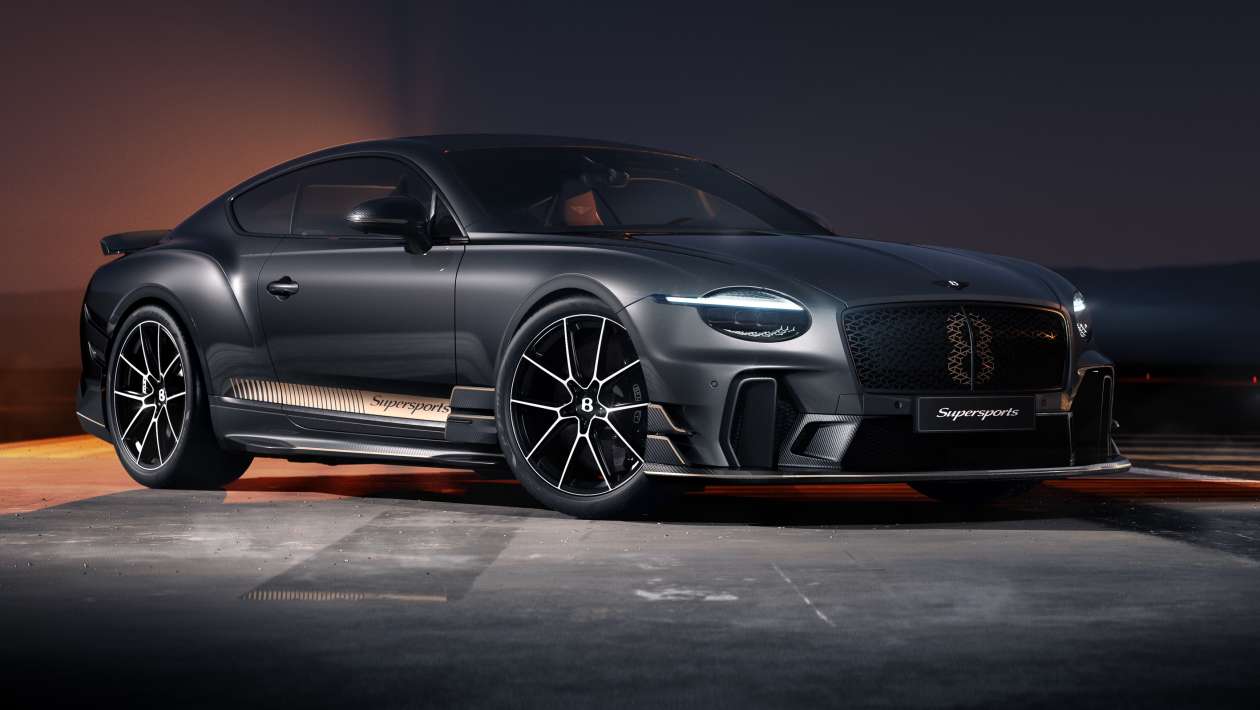
The torque curve will be sculpted to feel infinite and smooth. The chassis will prioritize a magic-carpet ride over razor-sharp handling. This is a stark contrast to the stripped-out, engineer's indulgence of the Bentley Supersports—a car that celebrates mechanical rawness with every vibration, every exhaust note, every connection to the road.
The Torcal is the yin to that yang. It acknowledges the absurd power under the bonnet but refuses to let it dominate the conversation. Where the Supersports screams, the Torcal whispers. Where the Supersports demands your attention, the Torcal invites you to forget it's there at all.
Redefining Speed as Calm
Ultimately, Bentley is betting that true luxury in the electric age is defined by the absence of effort—not the presence of speed. The Torcal will be quick, brutally quick in fact, but its legacy will be judged on whether it can make its occupants feel utterly detached from the violence required to achieve that velocity.
It's a brave strategy: downplaying headline numbers in an era obsessed with them. But Bentley understands that the real metric of success isn't how fast you can go, but how effortlessly you arrive. In redefining speed as a measure of calm rather than chaos, the Torcal might just be the most important car the brand has ever built—not because it wins the race, but because it wins the journey.
And isn't that what a Grand Tourer has always been about? Not the destination, not the time taken to reach it, but the manner in which you arrive. Bentley has spent a century perfecting that art. The Torcal is simply the most ambitious expression of it yet.