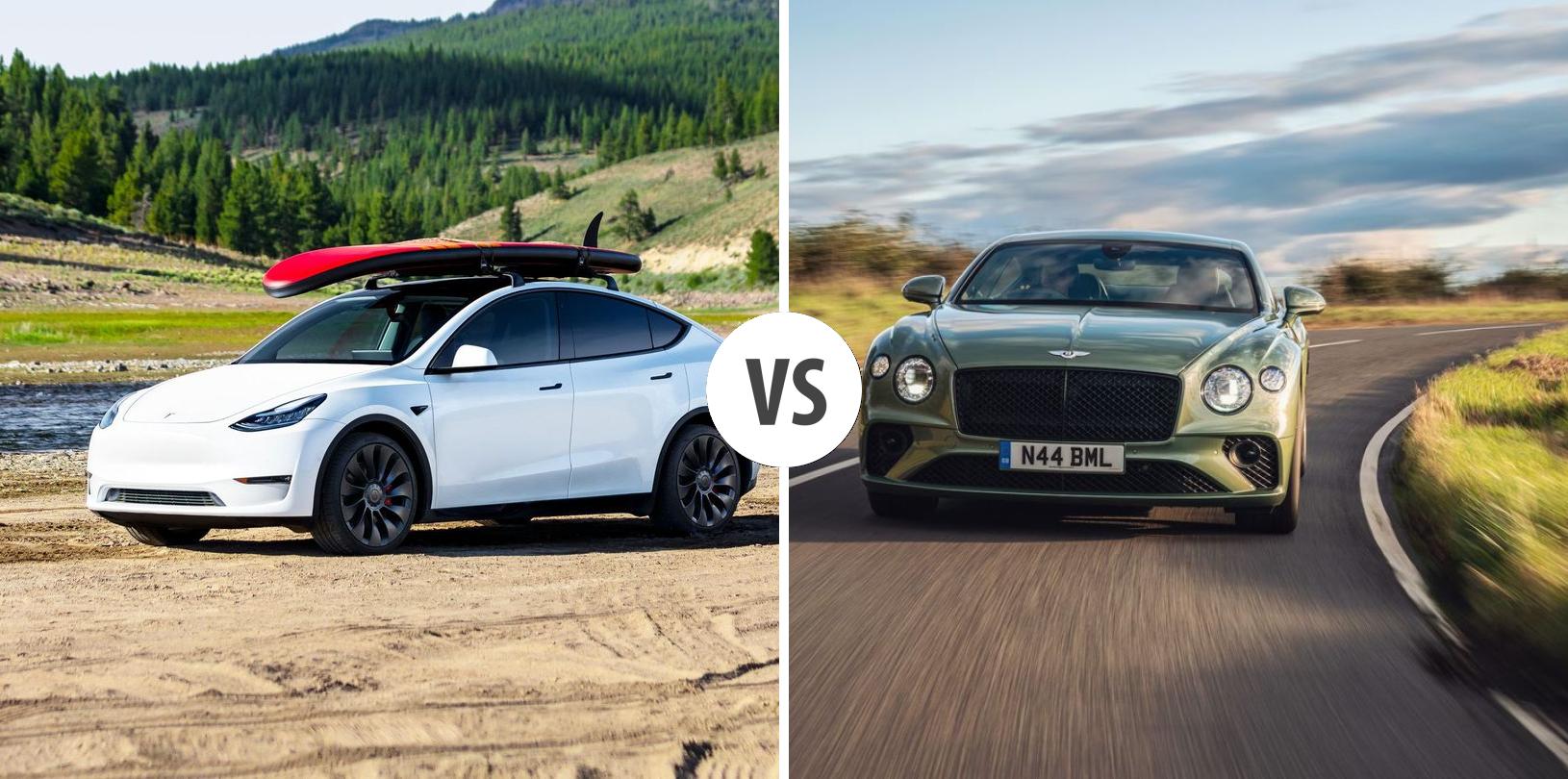
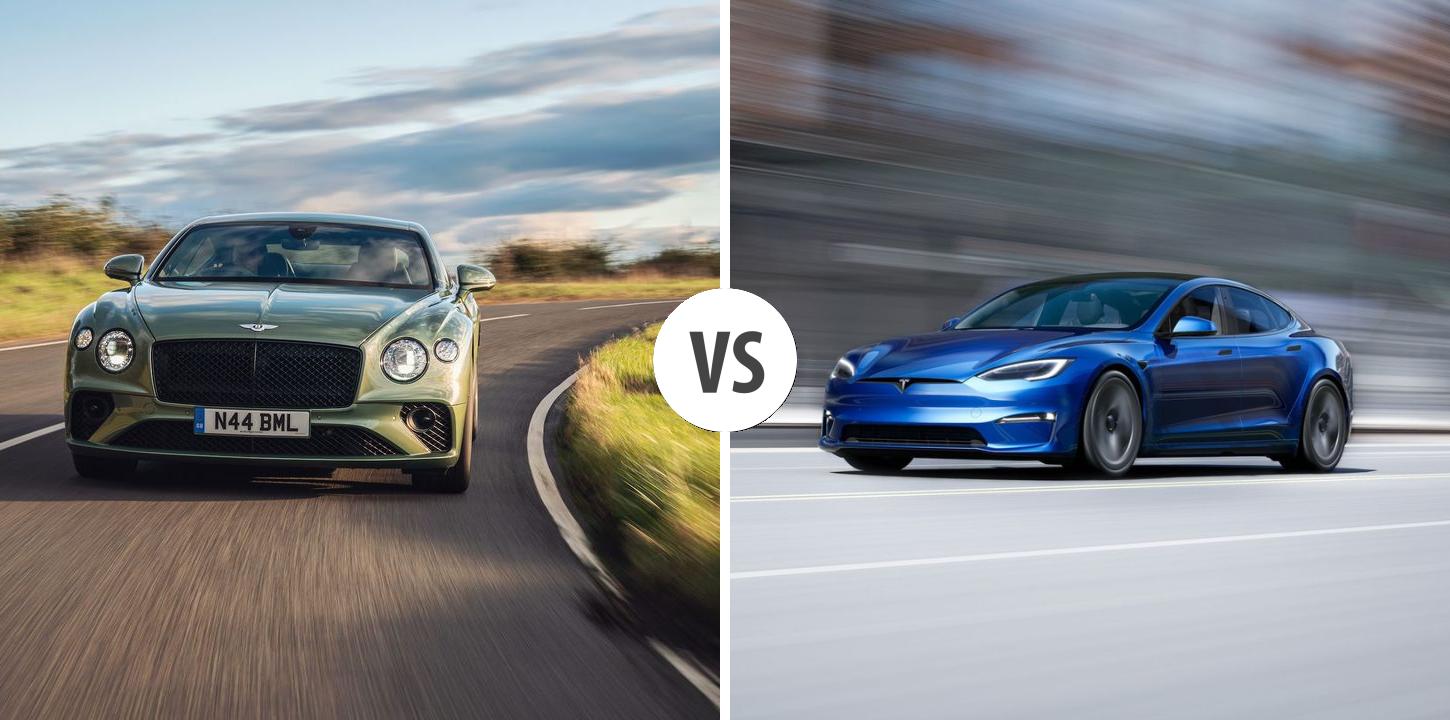
There's a story going around that ought to quicken the pulse of anyone who loves cars — though not for the reason a wide-open W12 usually does. A US real estate mogul has reportedly handed back the keys to his Bentley in favour of a Tesla, calling the American marque's self-driving technology "life-changing." On paper, it's one wealthy buyer making one private decision. In practice, it reads like a flare sent up over the whole luxury car industry — and Crewe would be wise to watch where it lands.
For a century, the Bentley proposition has rested on a very particular hierarchy of values. Craftsmanship you can feel through your fingertips. Leather tanned by hand, veneers cut from a single tree, a chassis tuned by engineers who discuss weight distribution the way sommeliers discuss terroir. The reward for a six-figure outlay was never convenience — it was the opposite. An invitation to be more involved, more present, more alive behind the wheel. Autonomy, in the Bentley worldview, was something the driver possessed, not something the car provided.
Two Definitions of Luxury, Now in Open Conflict
That worldview is being stress-tested by a rival definition of the word. To a certain class of modern buyer, the ultimate indulgence isn't a hand-stitched dashboard — it's a car that takes the wheel so they can take a call. Time is the scarcest asset, and the machine that returns it, rather than the one that demands it, wins. The mogul's defection isn't a rejection of quality. It's a reordering of priorities — and it's happening at precisely the moment Bentley is reinventing itself.
The Torcal Makes Crewe's Case — and Sharpens the Tension
The arrival of the all-new Bentley Torcal could hardly be better timed. With 876 HP, 375 miles of range, and what the brand frames as British craft carried into the electric age, the Torcal is Crewe's argument that electrification need not mean the erasure of soul. Its global debut, followed swiftly by an East Coast USA appearance in a striking blue, reveals a marque determined to meet the future on its own terms rather than merely react to it. Yet the Torcal also exposes the fault line: an electric Bentley must compete not only against other grand tourers, but against software companies that happen to build cars.
Pressure From Every Direction
That pressure arrives from all sides. Genesis is openly courting Continental GT customers, betting that a differently priced interpretation of luxury can peel away buyers who once saw no alternative. Rolls-Royce keeps sniping from above, the Cullinan positioned as the louder, brasher counterpoint to Crewe's understated elegance. And then there's the cultural noise — country stars turning up at bars, boxers defending world titles, university teams winning tournaments — all sharing the same name, none of it having anything to do with the car. Brand equity, once the most durable asset in the luxury game, must now be actively managed against a thousand unrelated headlines.
What the Trade Actually Tells Us
So what does the mogul's trade really mean? It means the definition of automotive luxury is no longer settled, and that heritage alone won't hold the line. It means a company like Bentley must be fluent in two languages at once: the tactile poetry of wood and hide, and the cold logic of autonomy and software. The Torcal suggests Crewe understands this. But understanding isn't the same as winning.
The subtler lesson is this: the buyer who leaves a Bentley for a Tesla isn't necessarily lost forever. He's telling the industry what he values now — and the first luxury marque to deliver both the soul of a grand tourer and the serenity of a self-driving commute won't have to choose between tradition and the future. It will simply own both. Bentley has spent a hundred years earning the right to make that argument. The next decade decides whether it can still finish the sentence.