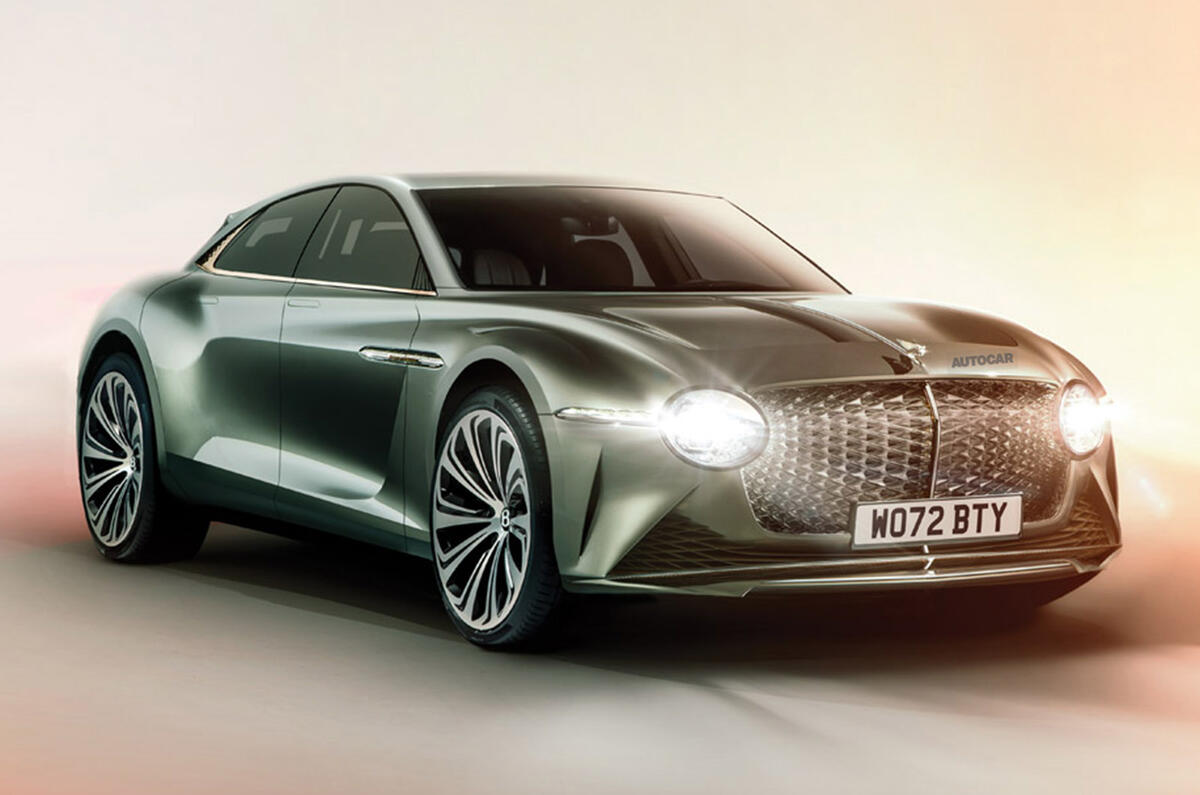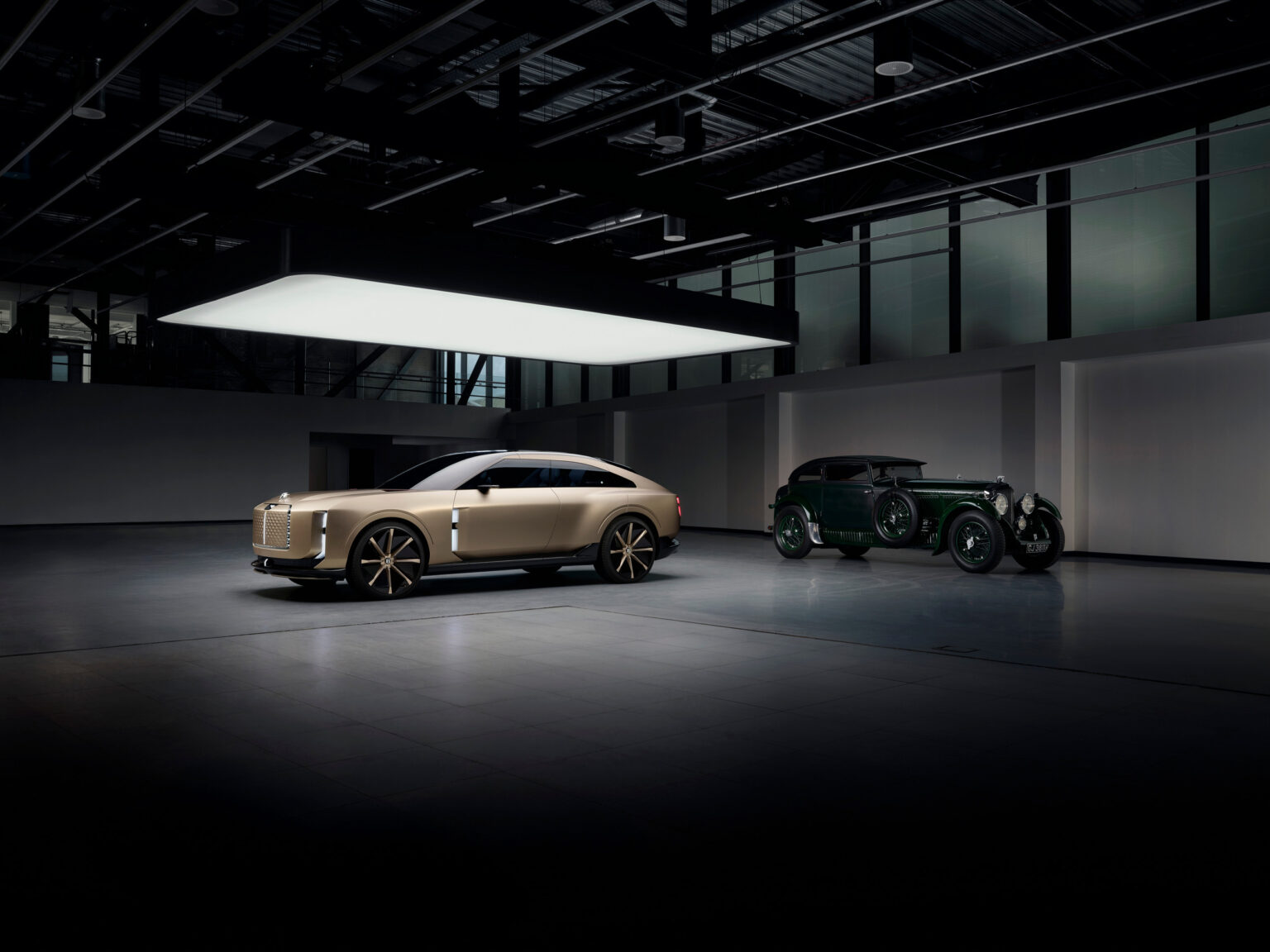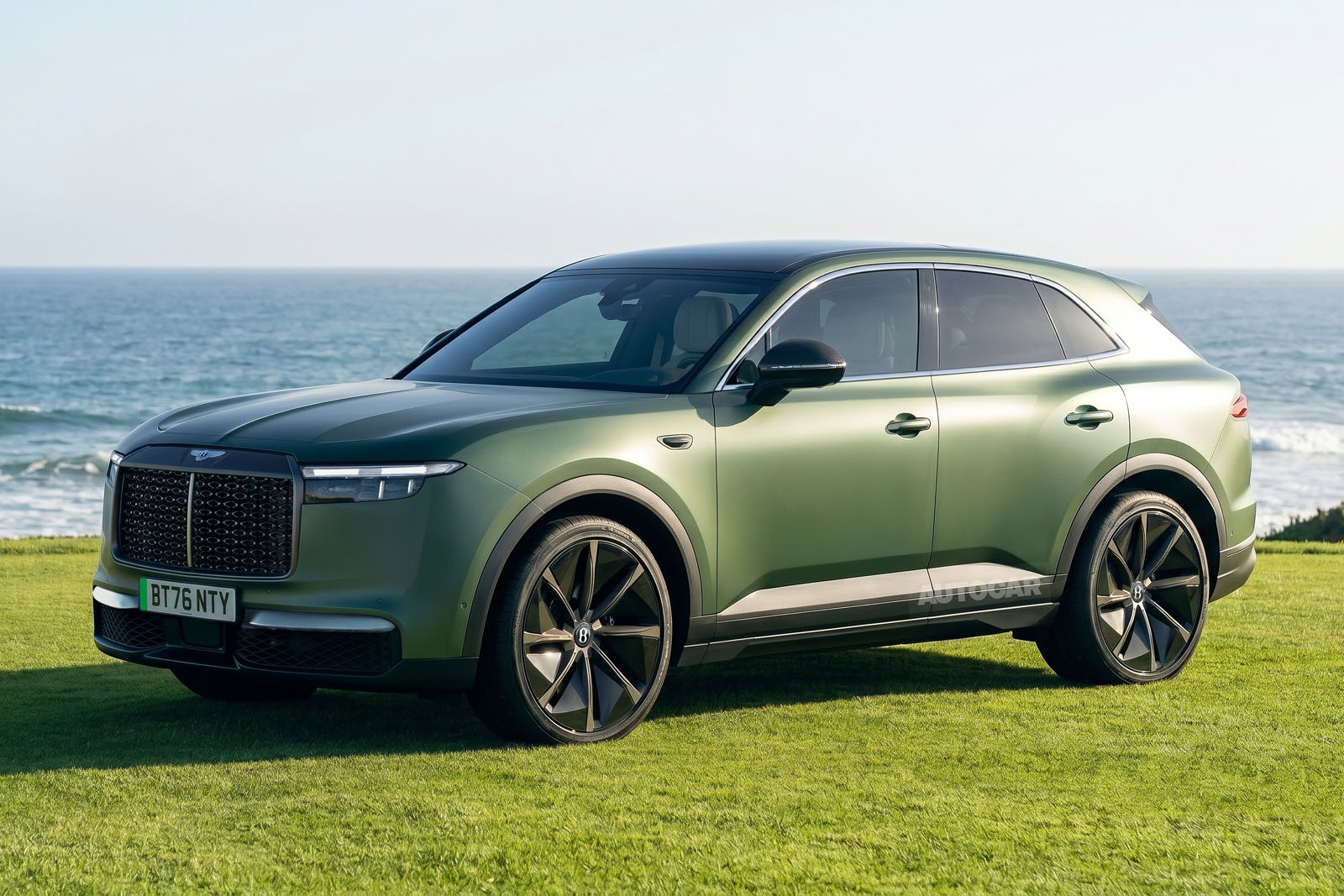
The Bentley Torcal has landed, and it is the most consequential thing to come out of Crewe since the Continental GT taught the world what a modern grand tourer could be. Read the spec sheet and the story writes itself: 876 horsepower, nearly 1,000 lb-ft of torque, a price tag hovering around $250,000, and a silhouette that makes a two-and-a-half-ton electric SUV look like it was shaped by wind rather than signed off by committee. By every conventional measure, Bentley's first fully electric production model is a triumph of ambition.
And yet the detail drawing the most furrowed brows isn't the range, the charging architecture, or the sustainably sourced veneers. It's the sound. Or rather, the manufactured absence of it—and what Bentley has chosen to do about that absence.
The Acoustic Signature
The Torcal pipes a synthesized powertrain note through its cabin and, in certain drive modes, into the world beyond. Bentley has been characteristically refined about the execution, calling the effect an "acoustic signature" rather than a recording—a composition of harmonic layers meant to evoke the marque's storied W12 and V8 heritage without literally sampling them.
The intent is legible. Electric propulsion, for all its instantaneous thrust and silent smoothness, robs the luxury automobile of a crucial sensory dimension. A Bentley has always announced its arrival. Left to its natural physics, the Torcal would simply appear.
The Case for Continuity
Give the counterargument its fair hearing, because it has merit. Luxury is, at its core, a discipline of sensory management. The crackle of a well-tuned exhaust isn't merely noise; it's feedback, a confirmation of mechanical effort that generations of drivers have learned to read as pleasure. Bentley's engineers clearly understand that many of their customers have spent decades associating a particular timbre with a particular prestige.
Strip that away without offering a replacement and you ask those customers to relearn what a Bentley feels like from first principles. In this reading, the synthesized note isn't deception but continuity—a bridge between the Torcal and the Continental GT parked beside it in the garage.
The Crutch Problem
But bridges can be mistaken for crutches. The finest electric vehicles of the current era have largely resisted the temptation to cosplay as their predecessors, and the ones that indulge the impulse tend to be remembered for it in unflattering terms. Bentley, of all manufacturers, has the cultural authority to make silence aspirational. Its brand rests on craftsmanship, material honesty, and the proposition that restraint is the highest form of confidence.
An artificial engine note, however artfully rendered, sits awkwardly against that creed. It is the one element of the Torcal that apologizes for what the car is, rather than celebrating it. Every other facet represents a confident break from tradition: a new platform, a forward-looking styling language, performance figures that render the old internal-combustion hierarchy obsolete. At the precise moment when Bentley could declare that silence is the new luxury—that the absence of noise is itself the ultimate statement of refinement—it instead reaches backward, grafting a facsimile of the old world onto the new one.
What the Torcal Gets Right
None of this diminishes what Bentley has achieved. The Torcal is a genuine landmark, a first step into electrification that sacrifices nothing in performance and precious little in presence. The thrust is instant, the ride quality is the stuff of Crewe legend, and the design language signals a brand unafraid of its own future. This is a machine that earns its place beside the Continental GT not by imitating it, but by surpassing it on every measurable axis.
The question the Torcal raises is subtler than whether fake sound is good or bad. It's whether the next great Bentley will trust its owners to appreciate the machine on its own terms—or whether it will keep whispering the ghosts of cylinders past through the speakers.
For a brand that has just proven it can build the future, the strangest choice of all is the one that sounds like the past.