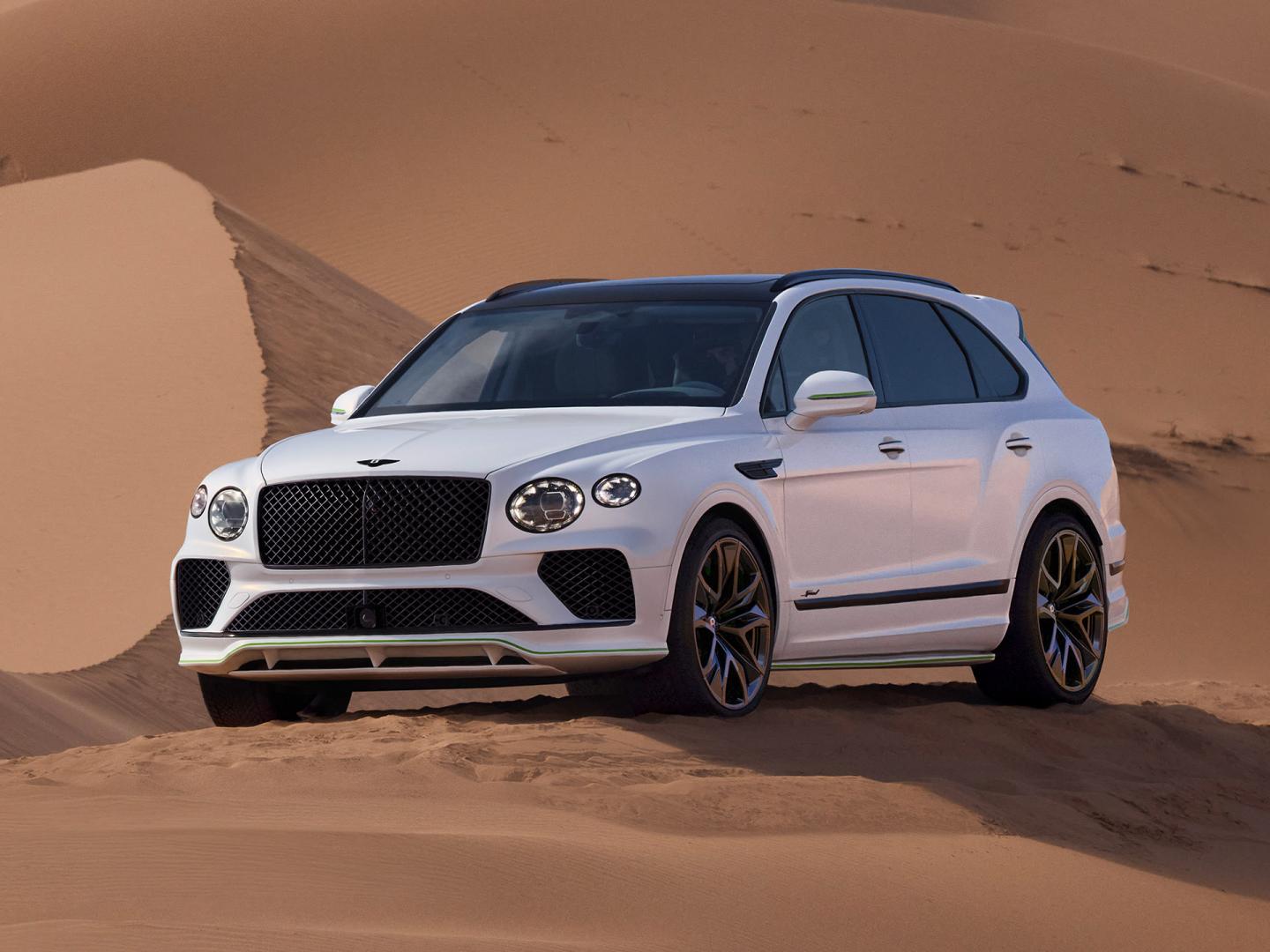
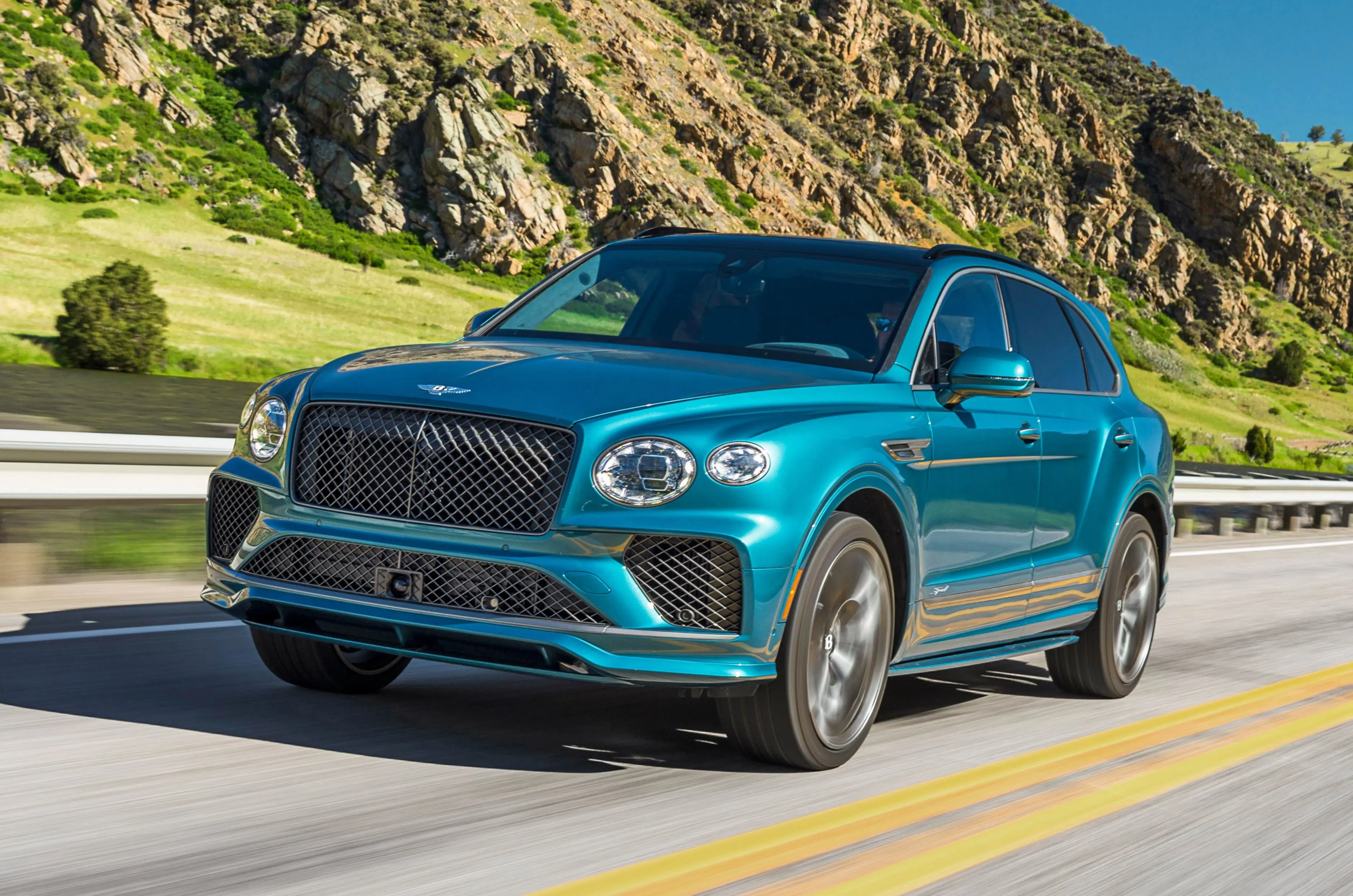
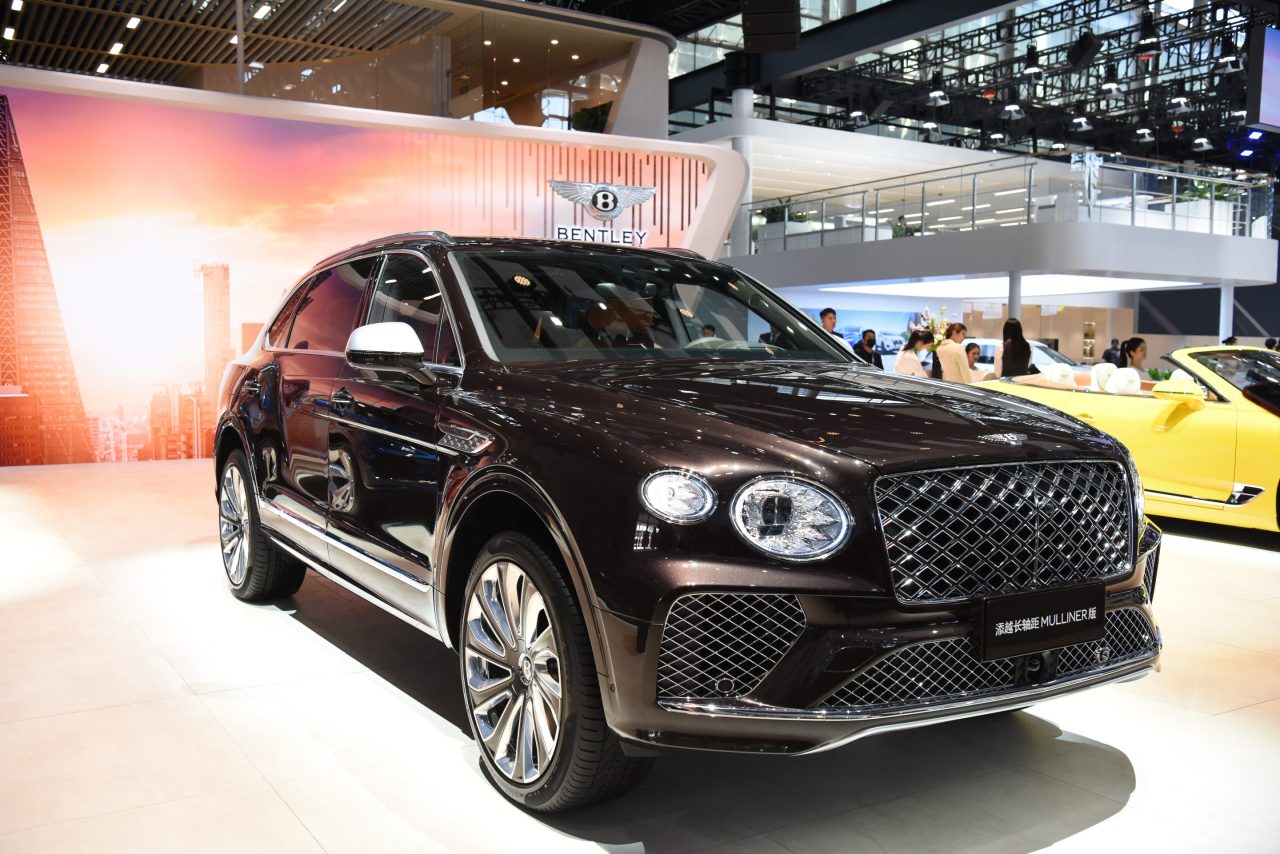
There is a particular kind of whiplash that only the used car market can deliver. One moment you're admiring a Bentley Bentayga as it wafts past, all crested grille and hand-stitched grandeur, the next you're staring at an auction listing that suggests one could be yours for roughly the price of a new Toyota Highlander. A quarter-million-dollar statement, available for family-hauler money. It sounds like a typo. It is, in fact, the secondary market doing what it does best: delivering its verdict, cold and unsentimental, on even the most rarefied metal.
This is not a story about a bad car. The Bentayga is, by almost any measure, a magnificent one. It is a story about what happens when extraordinary engineering meets ordinary market forces — and about why the depreciation curve of an ultra-luxury SUV bends the way it does.
The Arithmetic of Arrival
Start where every Bentayga story starts: the configurator. A well-optioned example — and they are nearly all well-optioned, because ticking boxes is half the ritual — can vault past $260,000 before you've reached the first service interval. The Mulliner Driving Specification, a Naim for Bentley audio system, bespoke veneers: each adds its layer, each pushes the sticker into rare air. This is territory shared with the Lamborghini Urus and the Rolls-Royce Cullinan, a club with a very short membership roll.
That price is not a mistake. It is the cost of entry into a world where leather is hand-stitched, metal is knurled, and the badge on the hood carries a century of provenance. The problem is that this club's membership rolls thin dramatically the moment the car becomes pre-owned.
Why the Curve Bends So Hard
Exotic depreciation follows a brutal logic, and the Bentayga is a case study in it. The pool of buyers willing and able to spend six figures on a used vehicle is tiny. It shrinks further when that vehicle carries the maintenance obligations of a W12 or a twin-turbo V8, bespoke tires, and a service network measured in dozens of locations rather than thousands.
A Highlander, by contrast, can be serviced in any strip mall in America. It will run to 200,000 miles on neglect alone. The Bentayga asks for devotion. Devotion, it turns out, is not a liquid asset.
There is also the matter of fashion. The Bentayga was the first true ultra-luxury SUV, and being first bought it a certain gravity. But the segment it created has since filled with credible rivals, and the earliest cars — the 2016–2019 examples in particular — now look like what they are: the first draft of a genre. Bentley has revised the model relentlessly, sharpening the styling, refining the chassis, and adding hybrid, Azure, and Speed variants that make the original feel tentative. When a manufacturer improves a car this aggressively, it quietly writes a depreciation schedule for every example that came before.
The Object Itself
None of this diminishes the Bentayga as an object. It remains one of the great long-distance vehicles ever built — a crested monument to hand-stitched leather and knurled metal, capable of crossing a continent in a single, hushed breath. The W12 delivers its thrust with the kind of effortless authority that makes speed limits feel like suggestions. The cabin is a masterclass in material richness, a place where every surface invites touch and every journey feels like an occasion.
But that excellence is precisely what makes its market performance so instructive. Depreciation in the ultra-luxury tier is not a judgment of quality. It is a function of scarcity of buyers, cost of stewardship, and the relentless forward march of the marque itself. The car does not become worse. The world simply moves on, and the price follows.
Opportunity Dressed as Cautionary Tale
For the shrewd buyer, this is opportunity dressed as cautionary tale. A gently used Bentayga at Highlander money is arguably the most car per dollar in the entire market — a $260,000 statement for the cost of a mass-market three-row. You get the W12 or the V8, the hand-stitched hides, the knurled switchgear, the whole magnificent overengineered package. You also get the maintenance bills, the specialist service visits, and the knowledge that the depreciation curve has already done its worst. For the original owner, it is a tuition payment on the difference between price and value.
And for Bentley, it is a reminder that even the most rarefied badge cannot outrun the oldest rule in the business: the second buyer always sets the real price.
The Bentayga was never just a car. It was a declaration — that Bentley could build an SUV, that ultra-luxury could ride high, that a crested grille belonged on a continent-crosser. That declaration still stands. The market has simply repriced it, as markets do, stripping away the premium and leaving the machine underneath. And the machine, for those willing to accept its demands, remains extraordinary.