BAIC Motor is enduring one of the strangest years a major Chinese automaker has ever had. Its 2025 profit plunged nearly 90%, dragged down by a Mercedes-Benz joint venture that once printed cash and now skids badly enough to pull the whole group's earnings into the red. Hong Kong traders responded with characteristic brutality: auto stocks slumped across the board, and BAIC Motor fell 9%, leading the decline.
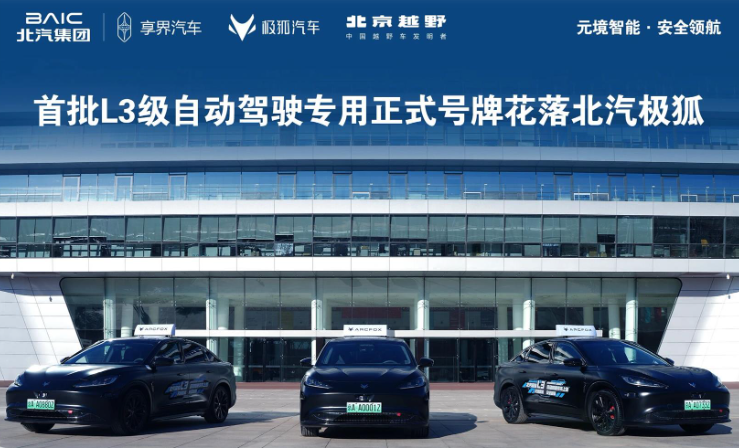
Yet in the same news cycle, the shares rose on something else entirely — China's approval of Level 3 driver assistance, granted to BAIC alongside Changan, a regulatory green light Bloomberg reported as a genuine market catalyst. For a manufacturer whose financials are deteriorating faster than almost anyone anticipated, that approval is not a footnote. It is the lifeline keeping BAIC's sedan strategy afloat.
Why a Single Regulatory Decision Moves the Stock
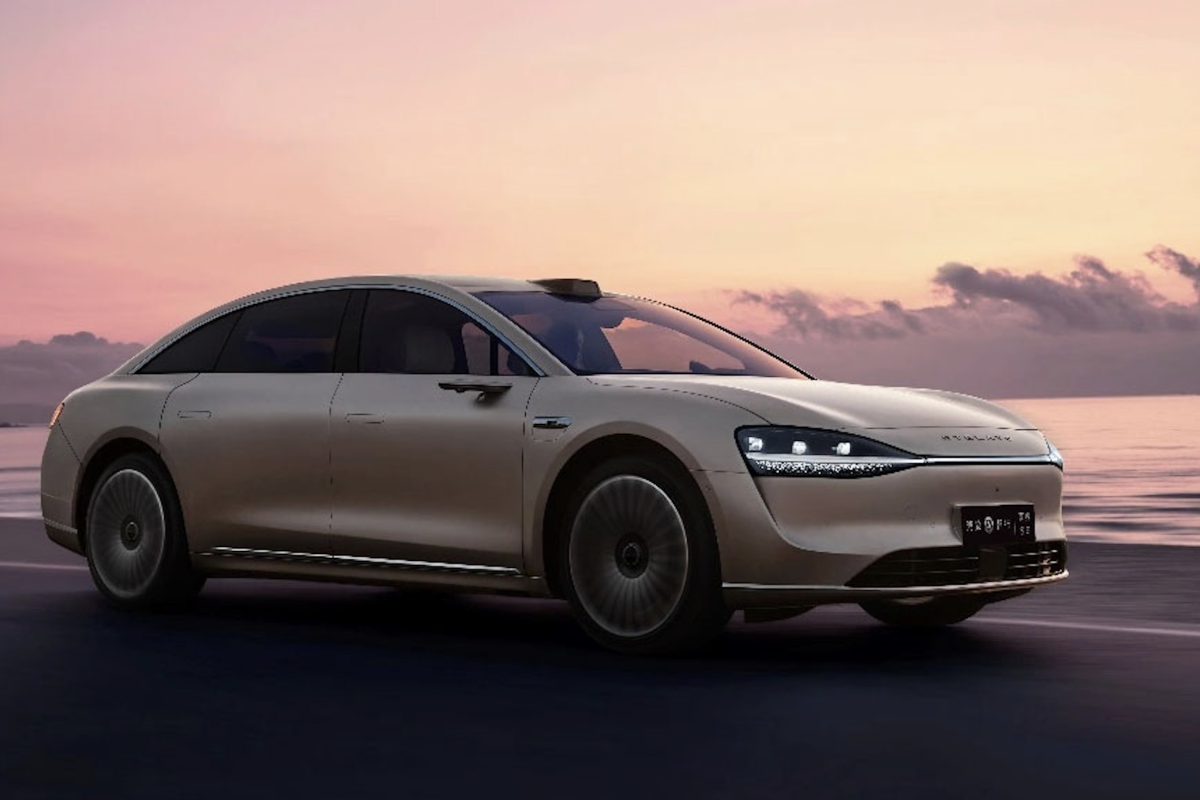
The logic is worth unpacking, because it explains how a company posting catastrophic numbers can still trade upward. BAIC's sedan business — particularly the Stelato S9 developed jointly with Huawei — was always a bet on a specific proposition: that Chinese buyers would pay a premium for intelligent driving, and that Huawei's brand halo could carry a relatively modest automaker into territory it could never reach alone. Reuters confirmed the two companies launched their first jointly developed EV with exactly that ambition.
But premium positioning in China's EV market is brutally competitive, and "Huawei inside" is no longer the differentiator it was two years ago — the label now appears on vehicles from multiple partners. The missing ingredient was always regulatory validation. Level 3 approval supplies it.
L3 Changes Liability, Not Just Convenience
L3 matters because it shifts responsibility, not merely workload. At Level 2, the driver remains responsible at all times; the system assists. At Level 3, within defined operating domains, the manufacturer assumes responsibility. That distinction transforms intelligent driving from a marketing feature into a certified engineering capability, and it gives BAIC something concrete to sell against rivals still stuck at L2.
For a sedan range that struggles to justify its price on hardware alone, certified autonomy is the argument that closes deals. It also buys time — precisely what BAIC needs, given that its profit engine has effectively stalled.
Diversification Versus the Immediate Problem
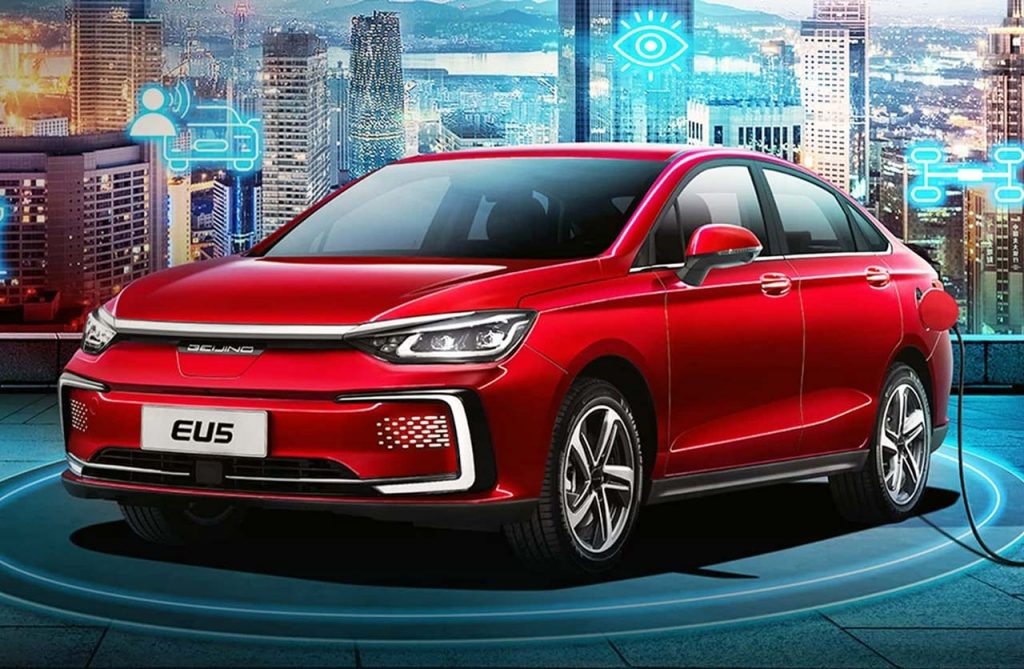
The timing is almost too convenient. BAIC has been working to diversify away from its dependence on the Mercedes-Benz joint venture, expanding into South African assembly with the B30 SUV, deepening intelligent transformation partnerships, and pursuing a 20-model EV plan with Hyundai.
Each of those moves addresses long-term structural weakness. None of them addresses the immediate problem: BAIC needs its own branded passenger cars, sedans included, to generate margin now. Huawei's L3 certification does something none of the diversification efforts can — it injects premium credibility directly into the products BAIC sells under its own name, at the exact moment those products need it most.
The Cautionary Dimension
There is a cautionary dimension, and it would be irresponsible to ignore it. Regulatory approval is not market adoption. Consumers must trust the system, insurers must price it, and the operating domains where L3 actually functions must be wide enough to matter in daily use. Rival automakers will pursue the same approvals, and Huawei's own partner ecosystem means BAIC's advantage may prove temporary.
Meanwhile, the connected-transaction disclosures BAIC has been clarifying suggest a corporate structure still heavily entangled with its parent group, which complicates any narrative of independent revival. A 90% profit collapse does not reverse on a single certification.
A Sequence That Makes Grim Sense
But strategy is often about sequencing, and BAIC's sequence now makes a certain grim sense. When your profit center fails, you cannot wait for a new one to mature organically. You need a catalyst that repositions existing products immediately.
Level 3 approval is that catalyst — it retroactively justifies the Huawei partnership, differentiates the Stelato line, and gives BAIC's sedan ambitions a defensible reason to exist while the rest of the business stabilizes. Whether it is enough to offset a near-total earnings wipeout is unknowable. What is clear is that without it, BAIC's sedans would be competing on price in the most crowded market on earth. With it, they are competing on capability. In 2025, that is the only fight worth having.