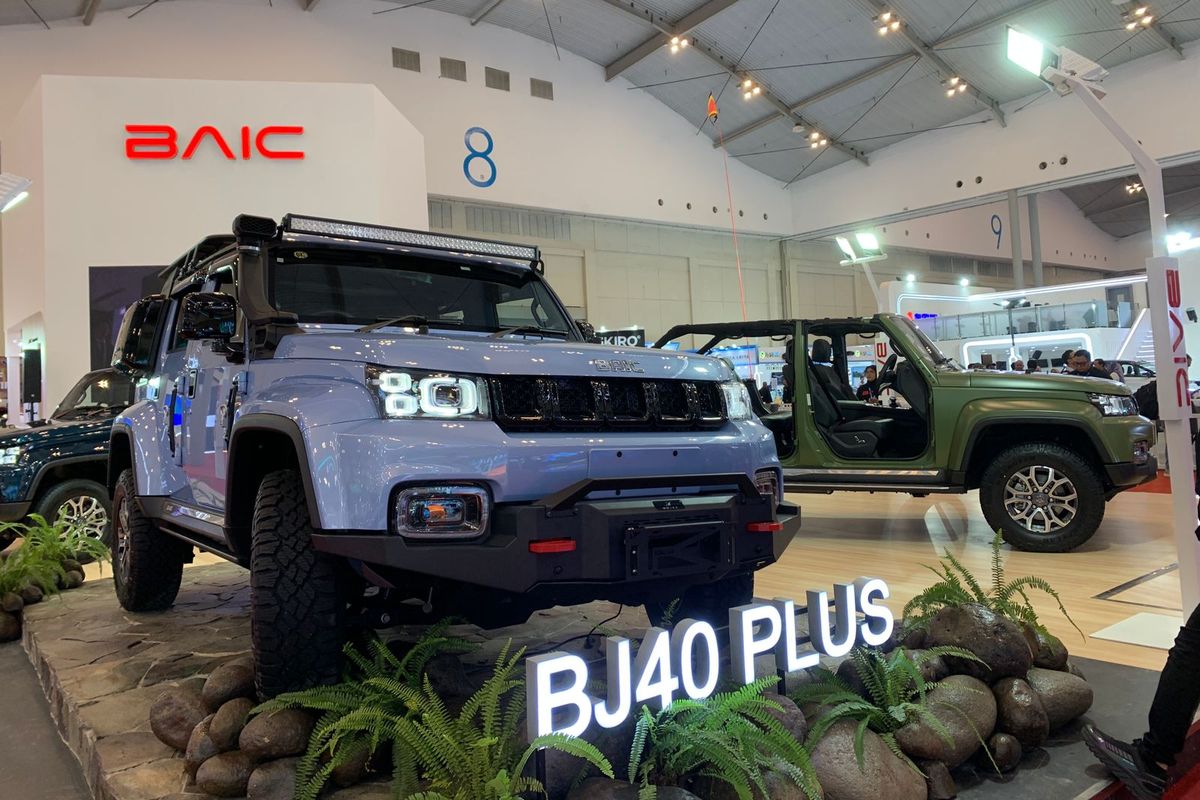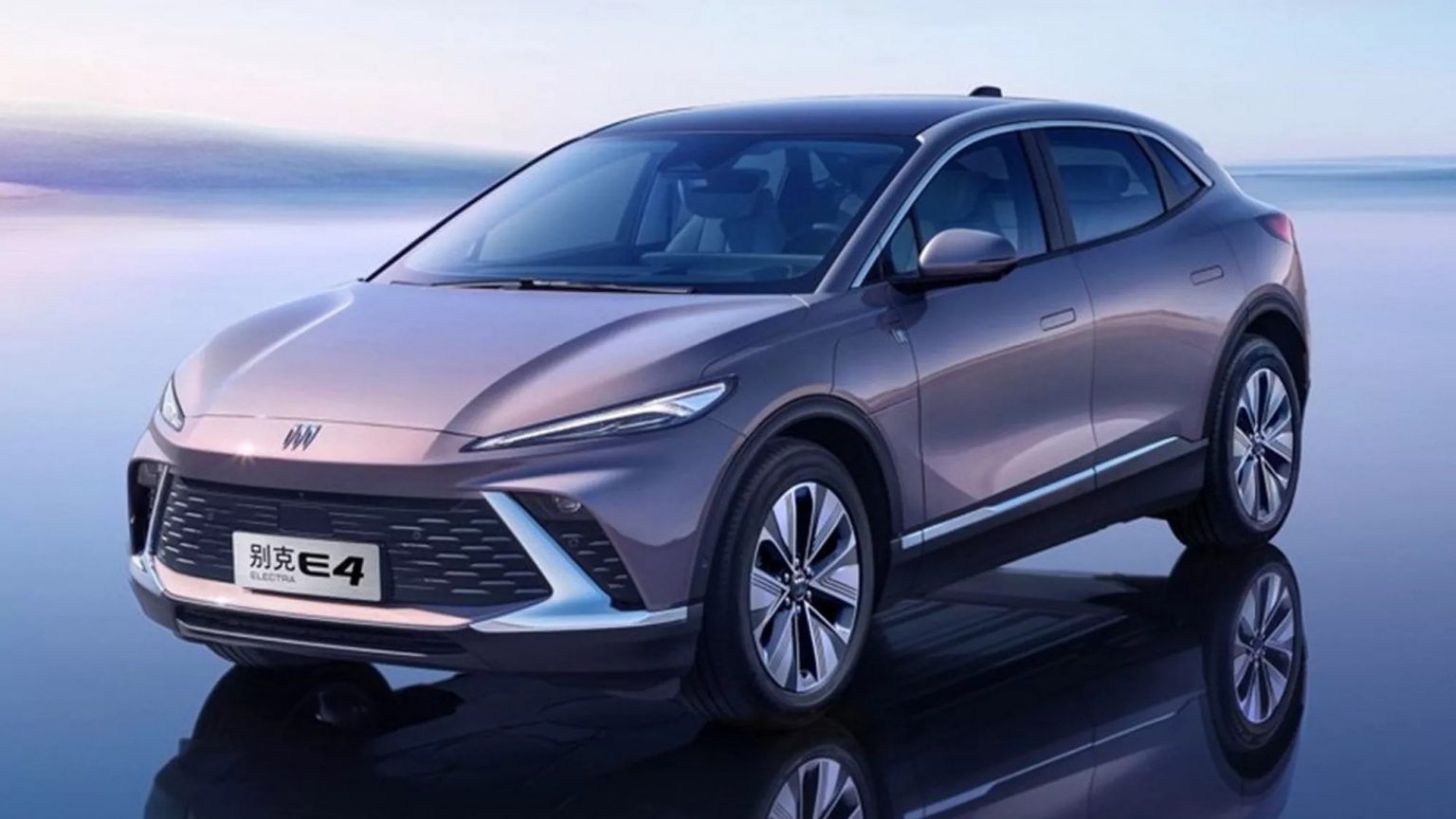
For nearly twenty years, BAIC Motor lived in the plushest corner of the global car business. As Mercedes-Benz's Chinese joint-venture partner, the state-owned group ran a machine that practically printed money: luxury sedans built in Beijing, sold at premium margins, with demand that seemed structurally immune to the cyclical storms battering the mass market. Run through Beijing Benz Automotive, the Mercedes partnership wasn't merely a contributor to BAIC's earnings. It was the earnings.
Then the ground shifted — and the very dependency that defined BAIC's golden years became the mechanism of its decline. The numbers now tell a stark story: revenue down 29.9%, a net loss of RMB 1.59 billion, and profit plunging by nearly 90% in a single year. For a group that once functioned as a reliable dividend machine for its state parent, the arithmetic has turned upside down.
When the Engine Sputters
Reports from Nikkei Asia and KrASIA confirm that BAIC has formally flagged losses as the Mercedes-Benz joint venture skids. The irony is that this dependence was always a known risk — a risk the company chose not to hedge. While domestic rivals such as BYD and Geely poured capital into proprietary platforms, battery supply chains, and software-defined vehicles, BAIC's own-brand operations languished as a marginal player in the world's most competitive car market. The joint venture supplied the cash; the cash funded the status quo; and the status quo left BAIC structurally unprepared for the electric era.
When China's price war erupted — a brutal contest in which more than a hundred brands now slash margins to survive — BAIC had neither the volume nor the cost base to compete on its own terms. The collapse of the Mercedes JV's contribution is therefore not a temporary headwind but an exposure of a deeper design flaw.
Squeezed From Every Side
Beijing Benz's volumes have been squeezed by the same forces hitting foreign premium brands across China: a consumer base turning toward domestic EVs, a pricing environment that punishes badge premiums, and increasingly confident local competition led by NIO, Li Auto, and a resurgent rival in the form of AITO and other Huawei-backed marques.
When the profit engine sputters, there is nothing underneath it. BAIC's recent proposal to install Mercedes-Benz China's CFO as a non-executive director reads less like governance renewal and more like a visible acknowledgment of who still holds the keys.
Rational Moves, Compressed Timetable
To its credit, BAIC is not standing still. The group has won approval for Level 3 driver assistance alongside Changan — a notable regulatory milestone that briefly lifted its shares — and has joined what Chinese analysts call the "national team" consolidation, pooling resources with Changan to attack costs. Its partnership with Hyundai envisions 20 new EVs for the Chinese market, and BAIC is preparing to assemble B30 SUVs in South Africa early next year, a modest but sensible push into export markets where Chinese brands still enjoy headroom.
These are rational moves. They are also, collectively, the moves of a company trying to build in three years what its rivals built in ten.
The Dependency That Discouraged Risk
The deeper problem is cultural as much as industrial. Joint ventures taught Chinese automakers how to manufacture to global standards, but they also bred a dependency that discouraged risk. BAIC's own brands — Arcfox, Beijing, and the commercial vehicle lines — have struggled to achieve either the scale or the brand equity needed to carry the group when the German lifeline weakens. Every quarter that Mercedes-Benz China underperforms is a quarter in which BAIC's consolidated results hemorrhage, and the market has noticed: analysts covering SEHK:1958 now frame the stock primarily as a leveraged bet on a foreign partner's fading Chinese fortunes.
There is a version of this story in which BAIC emerges leaner, having used the crisis to force through the reforms that prosperity made impossible. The Level 3 approval, the Changan alliance, and the export push are all plausible seeds of that recovery. But seeds require soil, and BAIC's soil has been depleted by years of relying on someone else's harvest.
The Mercedes-Benz joint venture was never just a profit center; it was a substitute for strategy. Now that the substitute has failed, BAIC must finally answer the question it spent two decades avoiding: what, exactly, is a BAIC when it stands alone?