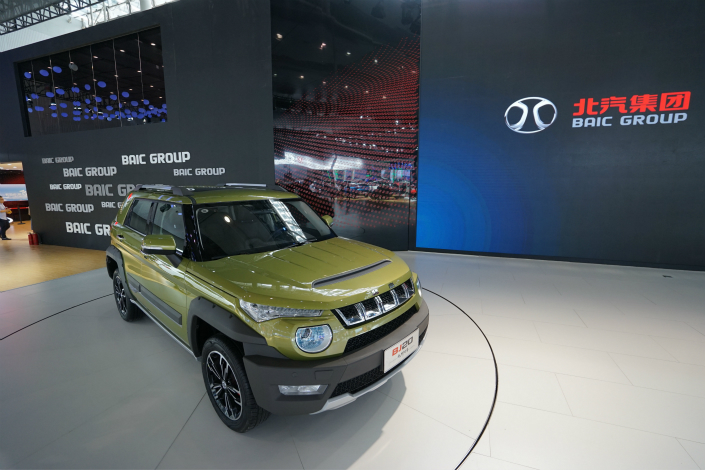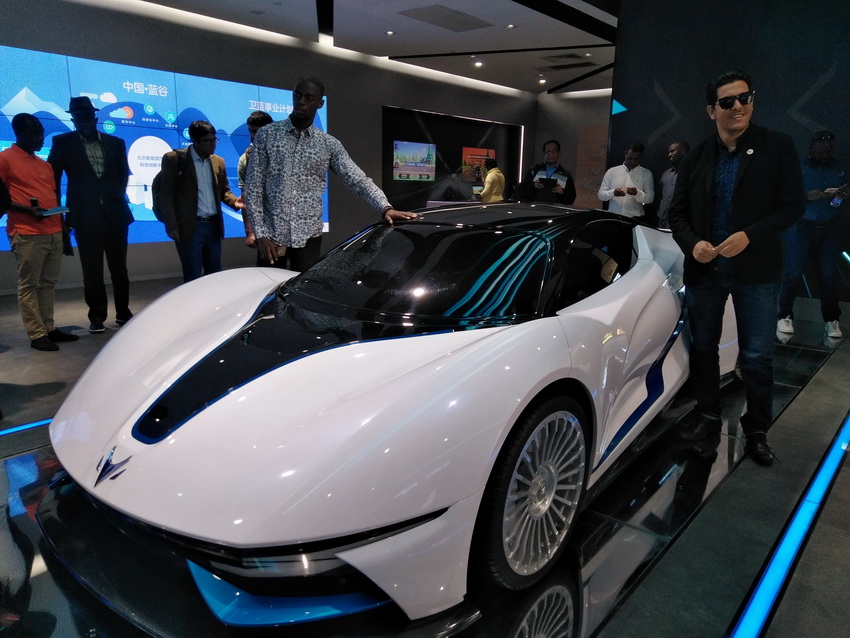
Capital injections rarely tell the whole story, but in the case of BAIC BJEV, the recent 8.15-billion-yuan infusion reads less like a lifeline and more like a declaration of intent. This is not a company scrambling to stay afloat in a crowded domestic EV market. It is a manufacturer deliberately reallocating its balance sheet toward a future where the vehicle itself becomes a platform for autonomous mobility, and the robotaxi is the product that matters.
The timing is instructive. BAIC BJEV has just reported June sales of 30,282 units, up 152.54% year-on-year, and its 2025 full-year sales have already surpassed 200,000 vehicles. Those are the numbers of a business with commercial momentum, not one in retreat. Yet the same company has simultaneously moved to drastically reduce production capacity at its EV subsidiary — a counterintuitive step that only makes sense when you understand where the capital is going. BAIC is not chasing volume for its own sake; it is pruning legacy capacity to fund a higher-value ambition.
Cooperation 2.0: The Pony.ai Alliance
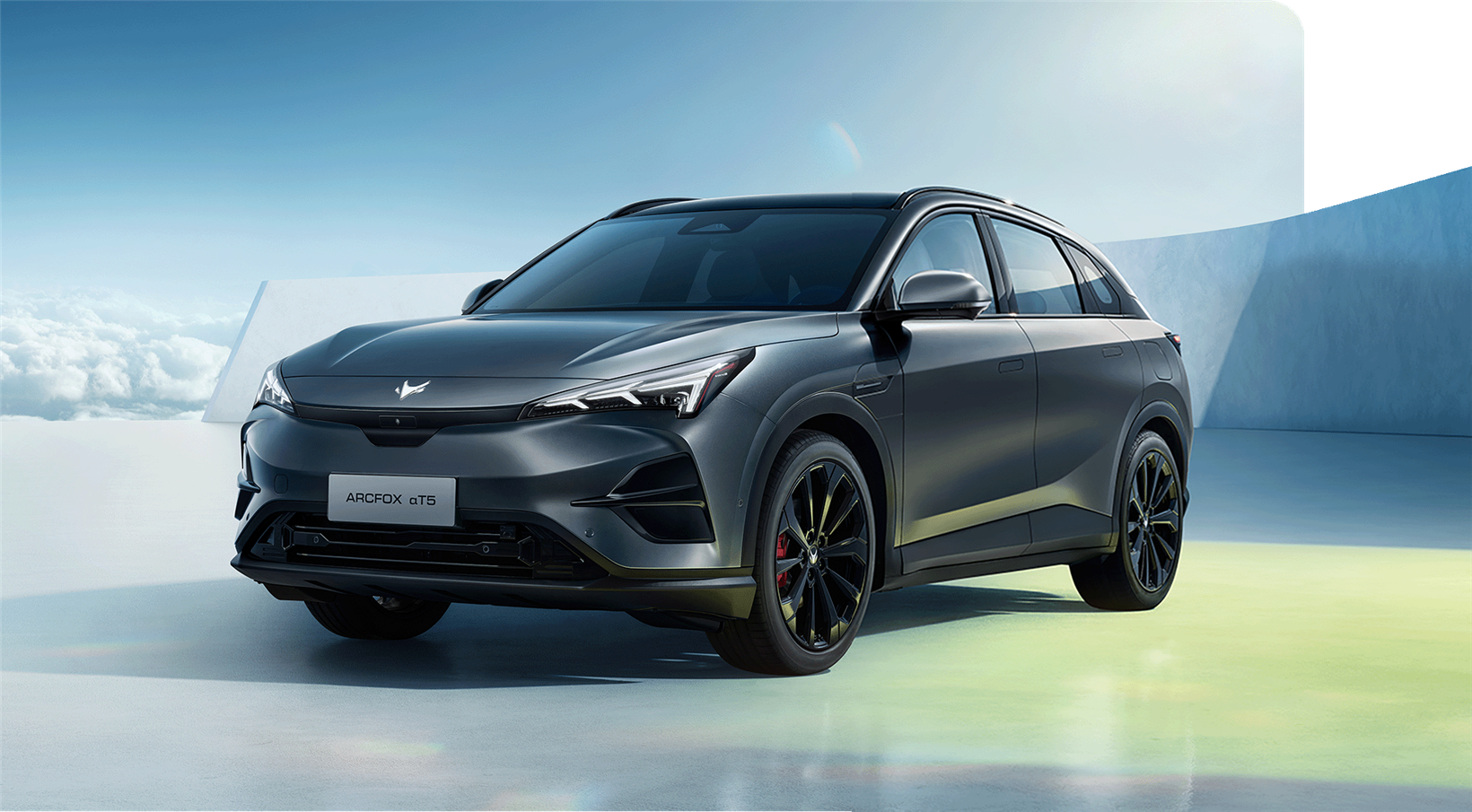
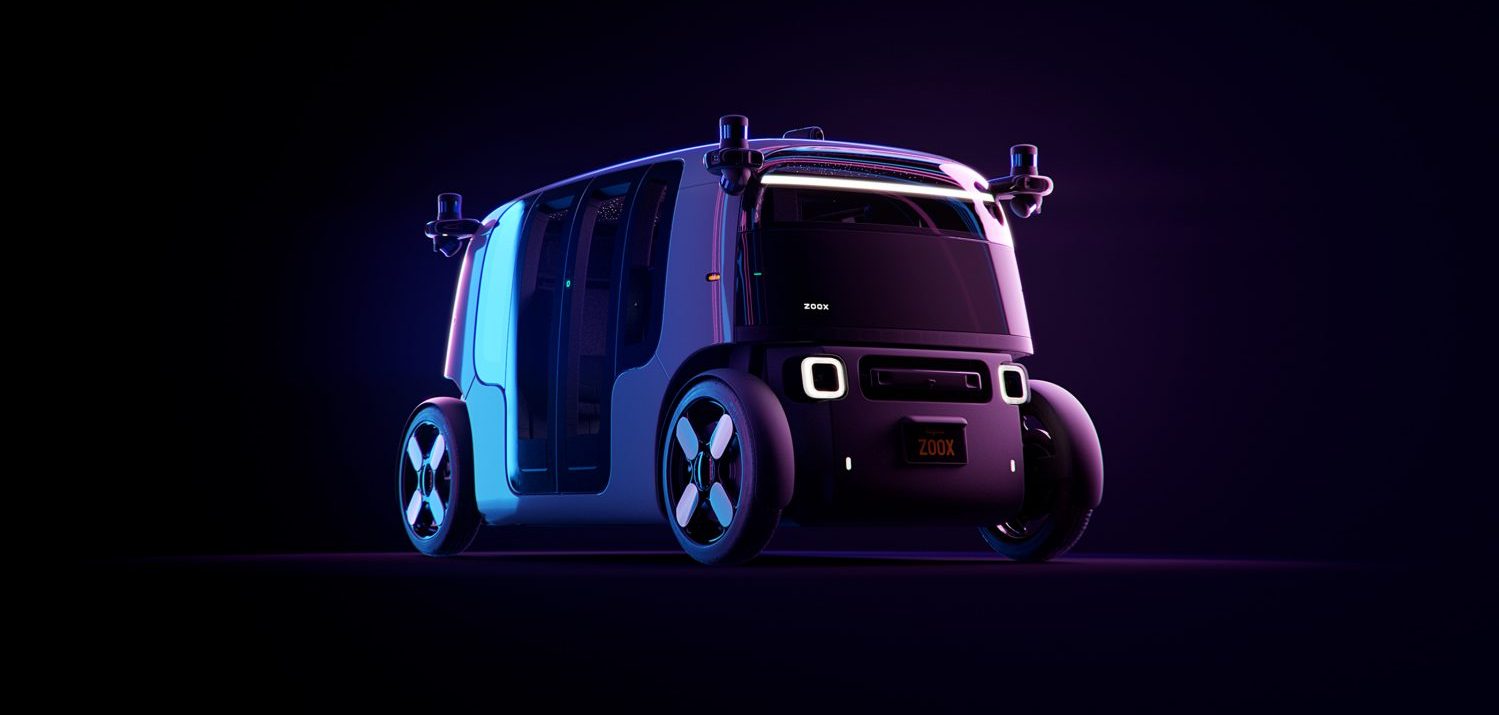
That ambition has a name, and it is Pony.ai. The two companies have escalated their collaboration into what the industry is calling "Cooperation 2.0," an expanded strategic partnership aimed squarely at scaling L4 robotaxi production. The technical anchor of this alliance is the ARCFOX αT5, the platform on which the partners intend to co-develop a purpose-built L4 robotaxi.
This is not a pilot program destined for a trade-show floor. The language coming from both camps — "scale," "commercialization," "production" — signals an industrial commitment rather than a research curiosity. When a manufacturer with BAIC's volume starts talking about robotaxis in the same breath as assembly-line output, the conversation shifts from what's possible to what's profitable.
Building the Intelligent-Mobility Machine
What makes the 8.15-billion-yuan injection strategically coherent is how neatly it dovetails with BAIC BJEV's broader technological buildout. The company has been vocal about "Full-Domain Fusion," its framework for integrating intelligence across the entire vehicle architecture rather than bolting autonomy onto a conventional chassis. Translation: the robotaxi isn't a modified car — it's a ground-up philosophy.
The supporting infrastructure is equally deliberate. BAIC BJEV has established a Silicon Valley EV Research and Development Center to tap into the world's deepest autonomous-driving talent pool. It has begun integrating humanoid robots into NEV production in partnership with UBITECH, while ABB supplies cutting-edge automation for its latest manufacturing facility. Each of these moves points in the same direction: a manufacturer retooling itself as an intelligent-mobility enterprise, with the robotaxi as the commercial endpoint.
Why the Bet Makes Sense — and What It Costs
The strategic logic is difficult to fault. China's robotaxi sector is approaching an inflection point, with regulatory sandboxes widening and cost curves falling. Whoever controls the vehicle platform — not merely the autonomous stack — captures the most durable margin. By aligning with Pony.ai on an L4 platform and directing fresh capital toward production scale, BAIC BJEV positions itself as a hardware partner of consequence rather than a contract assembler. The Arcfox brand, already surging in the sales charts, provides the premium credibility that a robotaxi fleet requires.
There are risks, of course. Robotaxi commercialization remains capital-hungry and timeline-uncertain, and capacity reductions at BJEV suggest the parent group is unwilling to subsidize every front at once. The retreat from volume production is a bet in itself — that the margins lost today will be more than recovered tomorrow. But the 8.15 billion is best read as a portfolio decision: retreat from undifferentiated EV volume, advance into autonomy. For a manufacturer with 200,000-plus annual sales and a doubling growth rate, that is not desperation. It is discipline.
The Road Ahead
The bet, in short, is that the next decade of urban mobility will be won not by whoever sells the most electric cars, but by whoever builds the fleet that drives itself. BAIC BJEV has just placed 8.15 billion yuan on that outcome — and brought Pony.ai along to help it collect. In a market where every major player is hedging across ride-hailing, robotaxi pilots, and battery swapping, BAIC BJEV's willingness to concentrate its resources behind a single, platform-first vision is either remarkably clear-eyed or remarkably bold. Given the sales trajectory and the Pony.ai partnership, the smart money says it's the former.