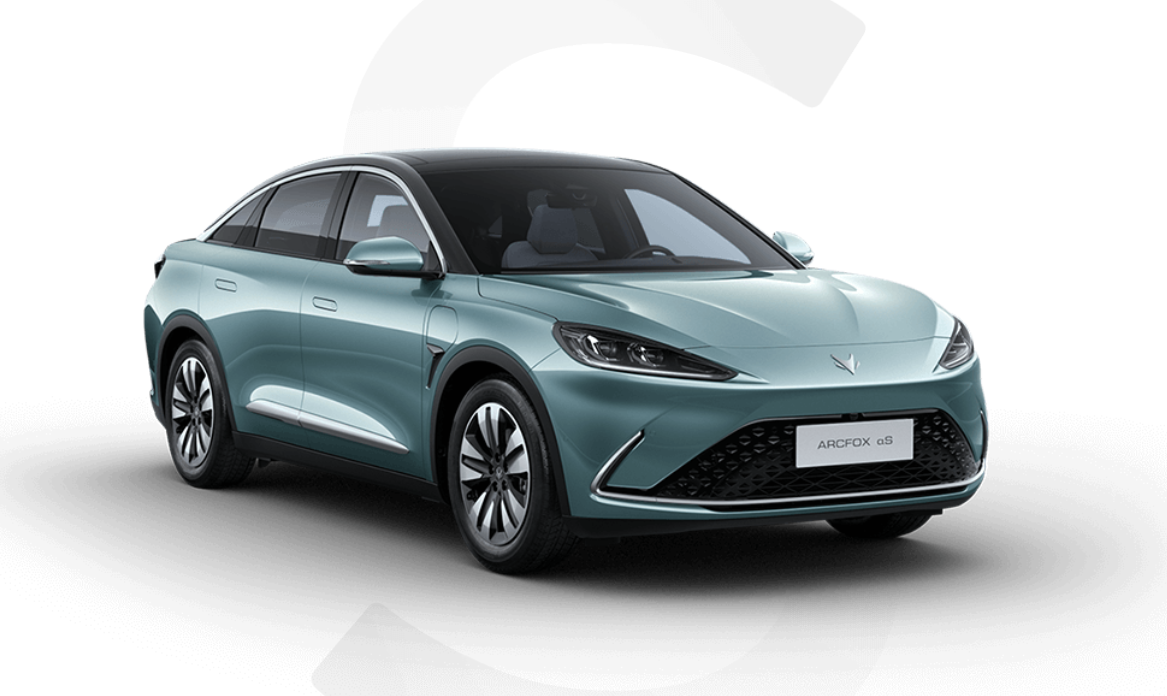
When BAIC BJEV reported 30,282 units sold in June, up 152.54% year-on-year, the headline writers reached instinctively for the familiar vocabulary of the electric-vehicle boom: momentum, breakout, vindication. Missing from most accounts was the more interesting story — that the surge was not merely the product of demand finally arriving, but of a deliberate and painful contraction executed years earlier. The company that just posted its best monthly performance in recent memory is, in an important sense, a smaller company than it used to be. That is precisely why it is winning.
The contraction was neither gentle nor ambiguous. In its restructuring phase, BAIC massively reduced the production capacities of its EV subsidiary BJEV, shuttering or idling plants that had been built for a volume the market never delivered. At the time, the move read as retreat — the kind of capacity write-down that analysts file under distress. But capacity is only an asset when it is matched to demand. BAIC BJEV had spent years carrying the fixed costs of factories calibrated for a subsidy-era fantasy, and every idle production line was a leak in the balance sheet. The cuts were the precondition, not the contradiction, of what followed.
Cutting Capacity to Build Leverage
What followed was capital and focus arriving together. An 8.15-billion-yuan capital injection gave the subsidiary both the liquidity and the mandate to rebuild around a narrower, sharper product strategy. Excess capacity gave way to utilised capacity; the company stopped paying to be large and started paying to be relevant. The full-year 2025 sales figure exceeding 200,000 vehicles is the clearest evidence that the arithmetic worked. Volume did not return to the old footprint — it returned to a footprint the company could actually afford to operate.
The product mix tells the same story. The Arcfox brand, positioned at the premium end, has become the growth engine of BAIC's EV unit, with Oct sales doubling on the strength of its surge. Premium positioning is unforgiving: it demands genuine technical differentiation rather than badge engineering, and it rewards manufacturers who can concentrate resources instead of spreading them thinly across a bloated lineup. The production cuts were, in effect, a reallocation — away from commoditised volume and toward the segments where margin and brand equity actually accumulate.
From Robotaxis to Humanoid Robots
That reallocation now extends into autonomy. BAIC BJEV's deepening partnership with Pony.ai, formalised as a "Cooperation 2.0" framework to scale L4 Robotaxi production, places the company at the manufacturing end of one of the industry's most capital-intensive races. Robotaxi fleets require purpose-built vehicles, validated platforms, and reliable production — exactly the competencies a slimmed-down, technologically focused manufacturer can supply. The same logic governs the company's work integrating humanoid robots into NEV production with UBITECH, and the automation solutions deployed at its latest manufacturing facility. Efficiency at the plant level is what makes the volume economics of 30,282 monthly units defensible.
The Arithmetic of Shrinking
It is worth being precise about causation here, because the temptation to read the surge as simple recovery is strong. A company does not grow 152% because it endured a hard year; it grows because the hard year removed something. BAIC BJEV's cuts eliminated the structural drag of capacity built for a market that policy, not consumers, had momentarily conjured. What remained — capital, engineering focus, premium brands, autonomy partnerships — could finally compound. The June number is not a rebound from weakness. It is the first clear reading of a company operating at the size it chose, rather than the size it inherited.
The lesson travels well beyond Beijing. In an industry where governments once rewarded scale and now reward viability, the willingness to shrink is frequently the precondition for growth. BAIC BJEV cut its way to a 152% surge — and the sales figures, for once, are telling the truth.