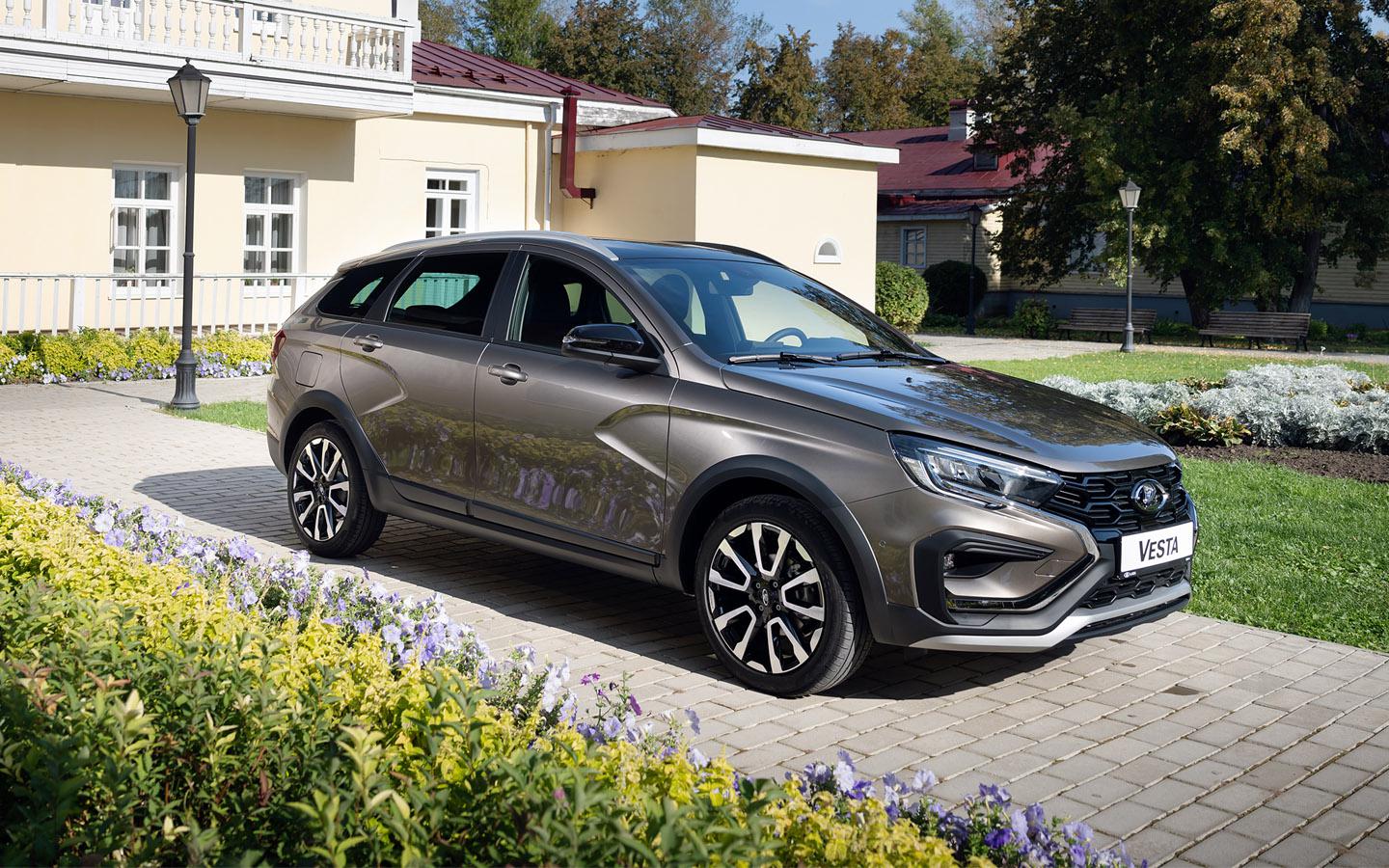
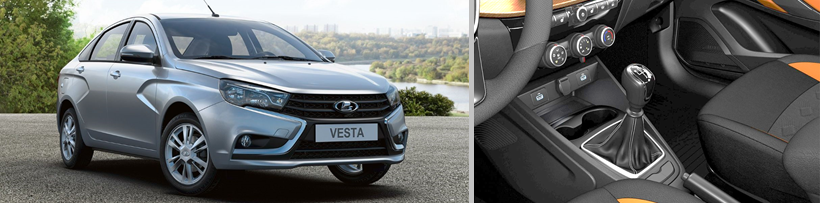
There's a particular kind of tragedy in watching a carmaker nail a technical target just as the ground shifts beneath it. AvtoVAZ has spent the better part of two years promising that the Lada Vesta was on the verge of a technical renaissance, and now the paperwork exists to prove it: the Vesta and the Aura sedan have been certified with Euro-6 compliant engines producing 120 and 132 horsepower respectively. On paper, it reads like a milestone—a Russian manufacturer clearing a genuinely modern emissions bar and signalling that its flagship sedan could stand shoulder to shoulder with international competitors. In practice, the certification lands with a thud, because the market that was supposed to reward such progress is evaporating faster than AvtoVAZ can recalibrate.
The central problem is that cleaner engines solve a regulatory question nobody is asking anymore. A Euro-6 Vesta is a compelling proposition for a buyer in a market that enforces Euro-6 standards and treats Lada as a value alternative. But that buyer is increasingly hypothetical.
Certification Without a Destination
Export demand for Lada vehicles has weakened so sharply that the company has been forced to cut its output plans—a retreat confirmed in reporting by The Moscow Times and echoed across the Russian business press. AvtoVAZ's traditional export corridors, the CIS states, parts of Latin America, North Africa, have either collapsed under sanctions pressure, been captured by aggressive Chinese entrants, or lost the financing and logistics infrastructure that once made Russian exports viable. Certification without a destination is an engineering exercise, not a commercial strategy.
The broader financial picture makes the situation more precarious still. AvtoVAZ is now contending with mounting losses and a shrinking domestic market, a malaise it shares with fellow flagship Kamaz—a twin decline that Ukrainian and independent analysts have characterised as a systemic collapse rather than a cyclical dip. The company has responded by halting production lines outright when Lada sales slump, and by trimming its own sales forecasts in a domestic market that was once its impenetrable fortress. Headcount data tracked by Revelio Labs suggests the workforce itself is contracting, a quiet indicator that the industrial base is being right-sized for a smaller future.
The Improvisation Playbook
What makes the Euro-6 Vesta story especially poignant is the series of improvisations surrounding it. AvtoVAZ has launched a monthly subscription programme for its Lada lineup, a move widely read as a demand-stimulus measure rather than an innovation. It has confirmed plans to build 20,000 units of the Lada Azimut, a crossover bet on a segment where competition is fiercest. And its leadership has continued to extol the virtues of Russian cars while being photographed in an imported Mercedes—a credibility problem that no powertrain upgrade can paper over.
The Gear Patrol revival of interest in the Niva, one of history's quirkiest and most beloved off-roaders, is a reminder of the one asset in AvtoVAZ's portfolio with genuine export romance. But nostalgia for the Niva does not pay for the Vesta's tooling.
A Structural Problem, Not a Technical One
The hard truth is that AvtoVAZ's export collapse is structural, not technical. Sanctions have severed payment channels and shipping routes. Chinese manufacturers have filled the vacuum in precisely the price-sensitive markets where Lada once competed, offering newer platforms and far more generous equipment lists. And the geopolitical stigma attached to Russian industrial exports has proven stickier than any emissions standard.
The Right Cars, the Wrong Decade
Against that backdrop, the Euro-6 Vesta and Aura are the right cars arriving at the wrong decade. They demonstrate that AvtoVAZ can still engineer to a global benchmark—that the technical capability, the calibration know-how, the will to meet a modern standard all remain intact. But they cannot manufacture demand where the market has already decided to look elsewhere.
That is the bitter irony for a marque whose entire identity was built on accessible, honest, mechanically robust transport for the masses. The engineering philosophy is sound; the commercial ecosystem around it is not. Until AvtoVAZ confronts the financing, logistics, and reputational collapse behind its export numbers, every new certificate will simply document how far ahead of its own commercial reality the company has managed to build—proof of capability in search of a market that no longer answers.