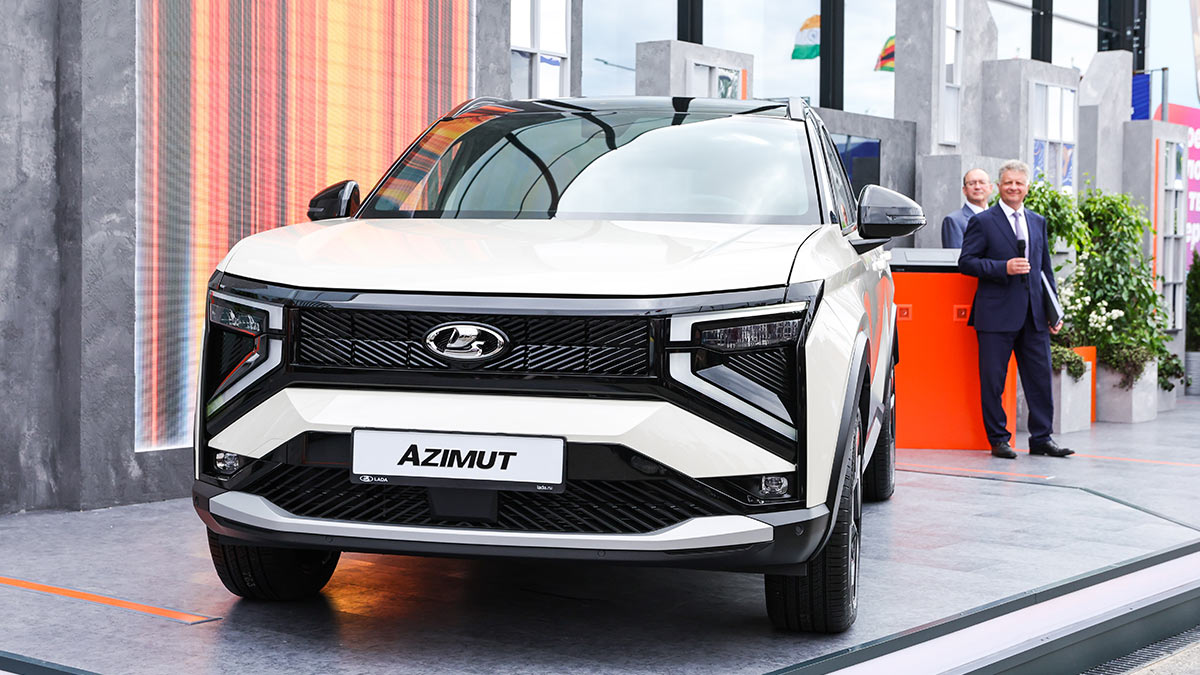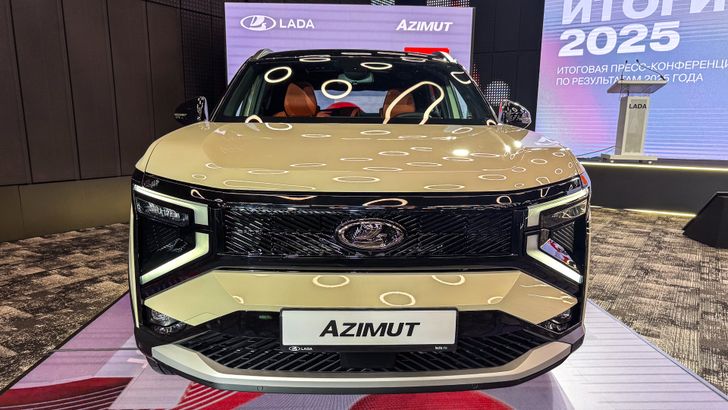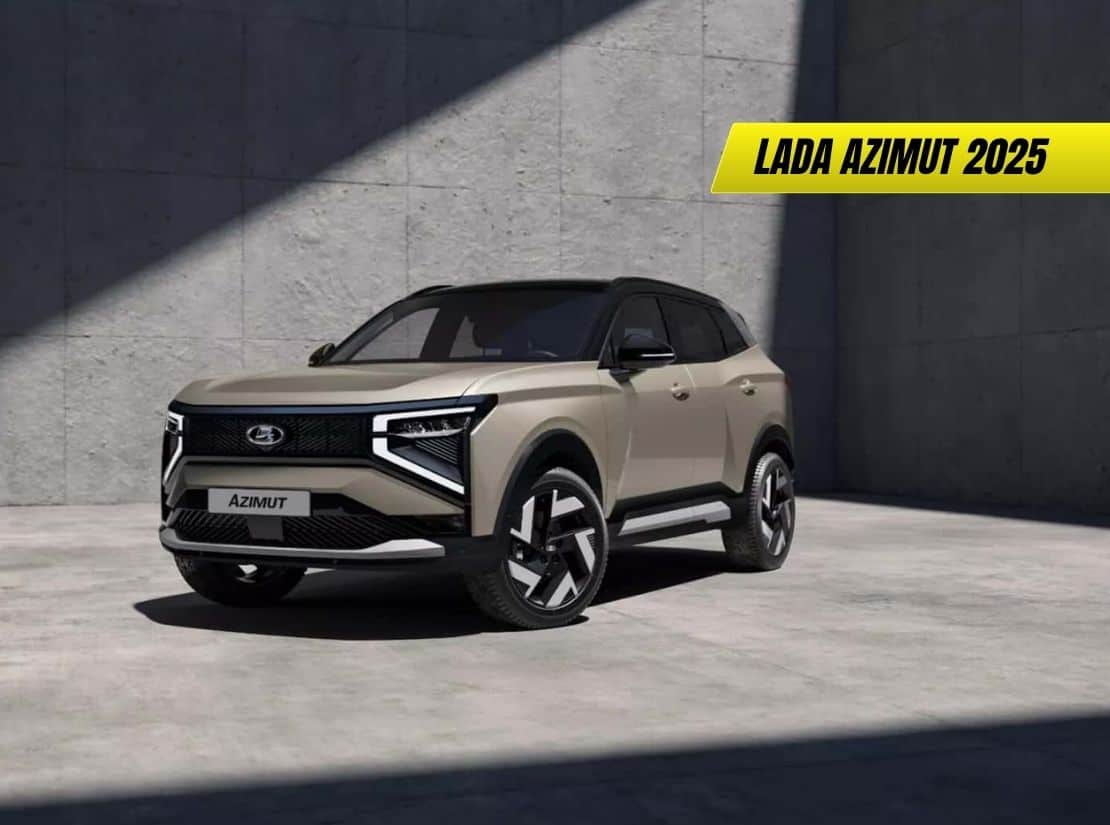
AvtoVAZ has never been a company that invites comparisons with the global vanguard. For five decades its engineering identity has been built on simplicity, durability, and the kind of stubborn pragmatism that produces a car you can repair with a hammer and a length of wire. So when the company announces a sedan — a body style the market has spent a decade abandoning — fitted with a 390-horsepower hybrid powertrain, you sit up and take notice.
The Lada Azimut is that car. It is scheduled to enter production on September 25, and according to company statements it will be positioned at the lower end of the Lada price segment. That combination of numbers and positioning does not describe an incremental update. It describes a wager.
The Architecture of the Bet
AvtoVAZ has confirmed plans to build 20,000 units of the Azimut. That is an ambitious volume for a domestically engineered sedan in a contracting market, yet modest by the standards of the brand's volume models. The company has publicly enumerated the Azimut's competitive advantages, and the hybrid system sits at the centre of that list — a striking departure for a manufacturer whose flagship technical story for most of the past decade has been the incremental refinement of the Niva Legend, a vehicle now old enough to have grandchildren.
That AvtoVAZ is simultaneously investing in noise and vibration suppression for the Niva while developing a 390-hp hybrid sedan tells you the company is hedging across two entirely different futures. One foot remains planted in the utilitarian past; the other is reaching for a performance-oriented, electrified present. The Azimut is the physical expression of that split.
Timing, Urgency, and the Subscription Signal
The timing is not accidental. The Azimut's unveiling to the board of directors and the start of production fall on the same date — an unusually compressed schedule that suggests internal urgency rather than leisurely product planning. This is not the cadence of a company comfortable with its position.
AvtoVAZ has also begun a monthly car subscription program across its Lada lineup, a move widely read as a response to softening sales rather than as a genuine strategic expansion. When a manufacturer launches a subscription service and a flagship hybrid in the same news cycle, the subtext is clear: the traditional purchase model is under pressure, and the company is searching for both a halo product and an alternative revenue channel.
Pressure From Every Direction
That pressure has external dimensions as well. Reports indicate AvtoVAZ is cutting output plans as export demand weakens. The broader picture painted by analysts — including unusually blunt assessments from foreign intelligence services describing a systemic collapse across Russia's automotive flagships — is not one of a manufacturer operating from strength.
AvtoVAZ's response has been characteristically eclectic: registering the trademark "It's possible, but why?" after a controversial phrase circulated online, converting a minivan into a four-ton armored vehicle, and disclosing production salaries that reach 400 thousand rubles. These are not the moves of a company with a single coherent strategy. They are the moves of a company casting widely, testing which direction might hold.
The Most Interesting Thread
The Azimut, then, is the most interesting thread in that scatter. A 390-hp hybrid sedan at the bottom of the Lada price ladder is either a loss-leader halo car designed to drag the brand's image upward, or a genuine attempt to occupy a segment — affordable electrified sedans — that no domestic competitor currently contests. AvtoVAZ has the engineering heritage for the latter, if not the recent track record.
The Niva proved the company can build something the world remembers. Whether it can build something the market buys, in a sedan body, with a hybrid drivetrain, at a price the Lada customer will accept, is the question the Azimut will answer in the months after September 25.
The 20,000-unit target is the company's own forecast. The market will supply the verdict. And for a brand whose entire identity rests on the proposition that simple, durable, repairable cars are enough, the Azimut represents something genuinely new: a Lada that asks its customers to want more.