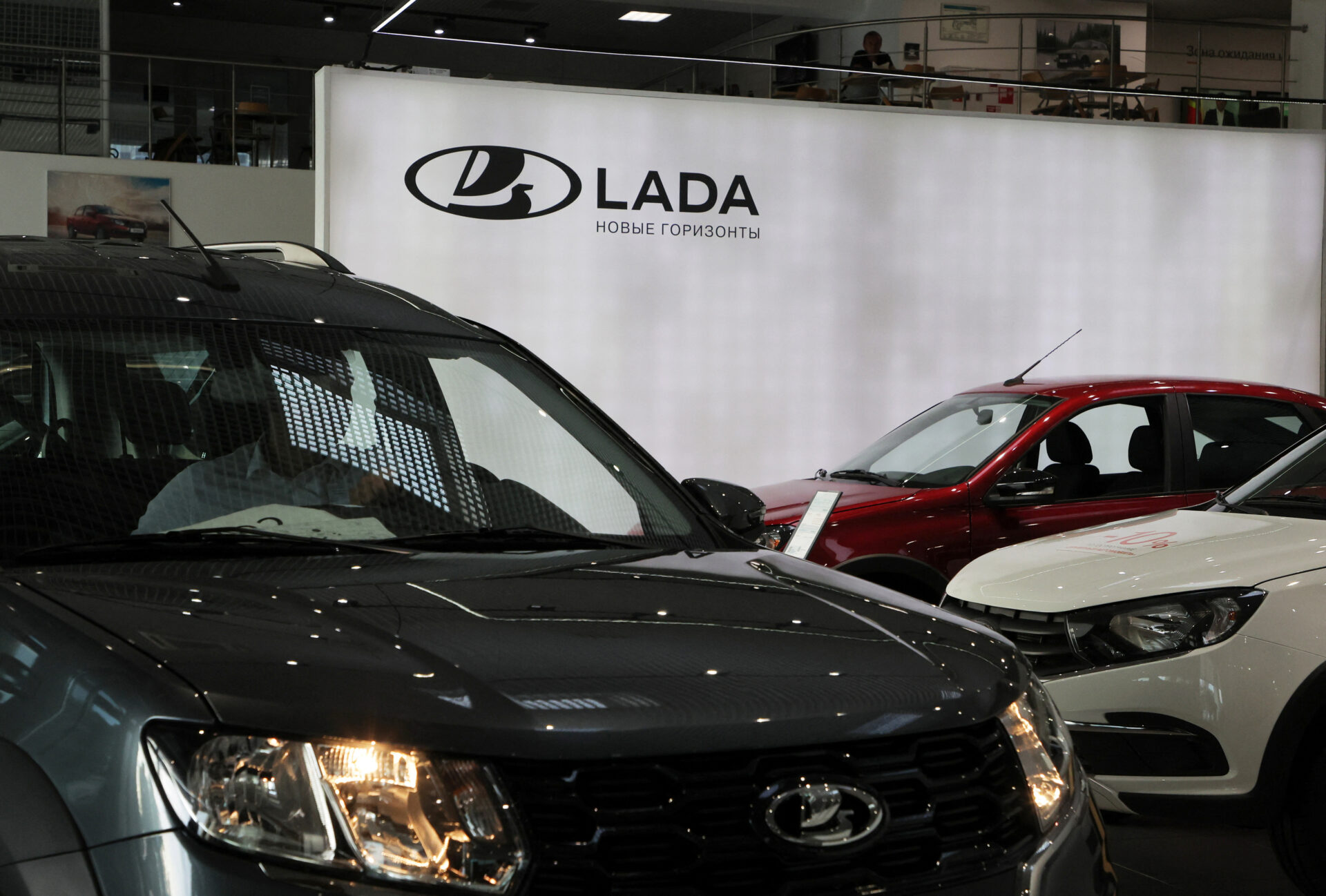
When a national champion with a near-monopoly on domestic production slashes output forecasts by a staggering 40 percent, the conventional playbook screams incentives, dealer floorplanning, and aggressive fleet sales. AvtoVAZ, the Togliatti-based giant behind the Lada brand, is instead shredding that playbook with a move that feels less like strategic evolution and more like raw survival instinct: a monthly car subscription program spanning its entire lineup. In a market posting its worst start to a year in two decades, with inventory piling up faster than snow on a Siberian road, the subscription model is a desperate—yet arguably brilliant—attempt to convert static metal into recurring revenue.
The timing tells the story. AvtoVAZ will maintain a four-day working week through all of 2025, a stark admission that dealer lots are overflowing. The company's own executive has publicly acknowledged demand has collapsed to levels unseen since the early 2000s, when the Russian automotive industry was still clawing its way out of the post-Soviet wreckage. Exports, once a reliable pressure valve, have evaporated as Western sanctions and logistical nightmares choke off access to former markets. With the Lada Vesta and Granta sitting unsold, the factory floor has become a monument to overproduction. Enter the subscription: a product that transforms the customer relationship from a one-time transaction into an ongoing, monthly financial agreement.
Cash Flow Over Car Culture
At its core, the Lada subscription program isn't about mobility innovation—it's about liquidity. For a manufacturer grappling with severe financial losses, the subscription provides immediate cash injection. Instead of waiting for a buyer to secure a loan at Russia's punitive interest rates—which have effectively frozen the traditional retail finance market—AvtoVAZ collects a steady stream of payments directly. The psychological shift is crucial: a Russian consumer facing economic uncertainty is far more likely to commit to a fixed monthly sum for a Lada Niva than to sign a three-year lease or take out a high-interest car loan. The subscription is a hedge against the very anxiety that's killing new car sales.
Think about it from the driver's seat. You're staring down inflation, geopolitical chaos, and a job market that could turn sideways tomorrow. A subscription strips away the terrifying commitment of ownership—no balloon payments, no depreciation anxiety, no five-year shackles. Just a predictable monthly number that gets you from point A to point B. In a market where the only certainty is uncertainty, that's not just appealing. It's seductive.
The Hidden Genius Behind the Scheme
Critics will argue this is merely a disguised rental scheme, a way to offload excess inventory without cutting sticker prices and damaging the brand's perceived value. There's truth in that. But consider the alternative: a full production halt, which AvtoVAZ has already had to implement at various points this year. Idle plants burn capital without producing a single ruble of revenue. A subscription fleet, by contrast, guarantees those vehicles are on the road, accruing mileage, generating service revenue, and—most importantly—creating a future pool of used cars that AvtoVAZ can later resell at a profit.
The company is effectively buying time, using subscription fees to keep the lights on while waiting for the market to thaw. It's a defensive maneuver that also happens to be a brand-building exercise. Every subscribed Lada on the road is a rolling billboard, a testament to the brand's presence in a market where foreign competitors have largely fled. The Niva, the Granta, the Vesta—they're not just cars anymore. They're instruments of survival.
A Retreat Into Domestic Defensive Posture
The strategic pivot also signals a deeper resignation about AvtoVAZ's export ambitions. Weakened export demand is a primary driver of the output cut. With the Lada Azimut crossover still in planning stages and localization efforts focused inward, the company is no longer pretending it can conquer foreign markets. Instead, it's retreating into a domestic defensive posture, and the subscription is the cornerstone of that defense.
This is a recognition that in Russia's current economic climate, ownership is a luxury, but mobility is a necessity. By offering a low-barrier entry to the Lada brand, AvtoVAZ is banking on habit formation—once a customer subscribes, they're likely to stay, especially if the alternative is navigating the chaos of the used car market. It's the automotive equivalent of a gym membership: get them in the door with low commitment, and the inertia of convenience keeps them coming back.
There's, of course, a cynical reading. The Lada chief's penchant for imported Mercedes while praising Russian cars is a well-documented irony. But even that hypocrisy doesn't diminish the logic of the subscription move. This isn't about ideology; it's about survival. AvtoVAZ holds a monopoly on Russian car manufacturing, yet it's failing because monopolies cannot shield a company from macroeconomic collapse.
The subscription program is a microeconomic response to a macroeconomic disaster. It won't save the Russian auto industry, but it might just save Lada's 2025 balance sheet. In a market where the only certainty is uncertainty, the monthly payment is the new engine starter. And for a brand that has always been about getting the job done with minimal fuss, that's arguably the most Lada thing of all.