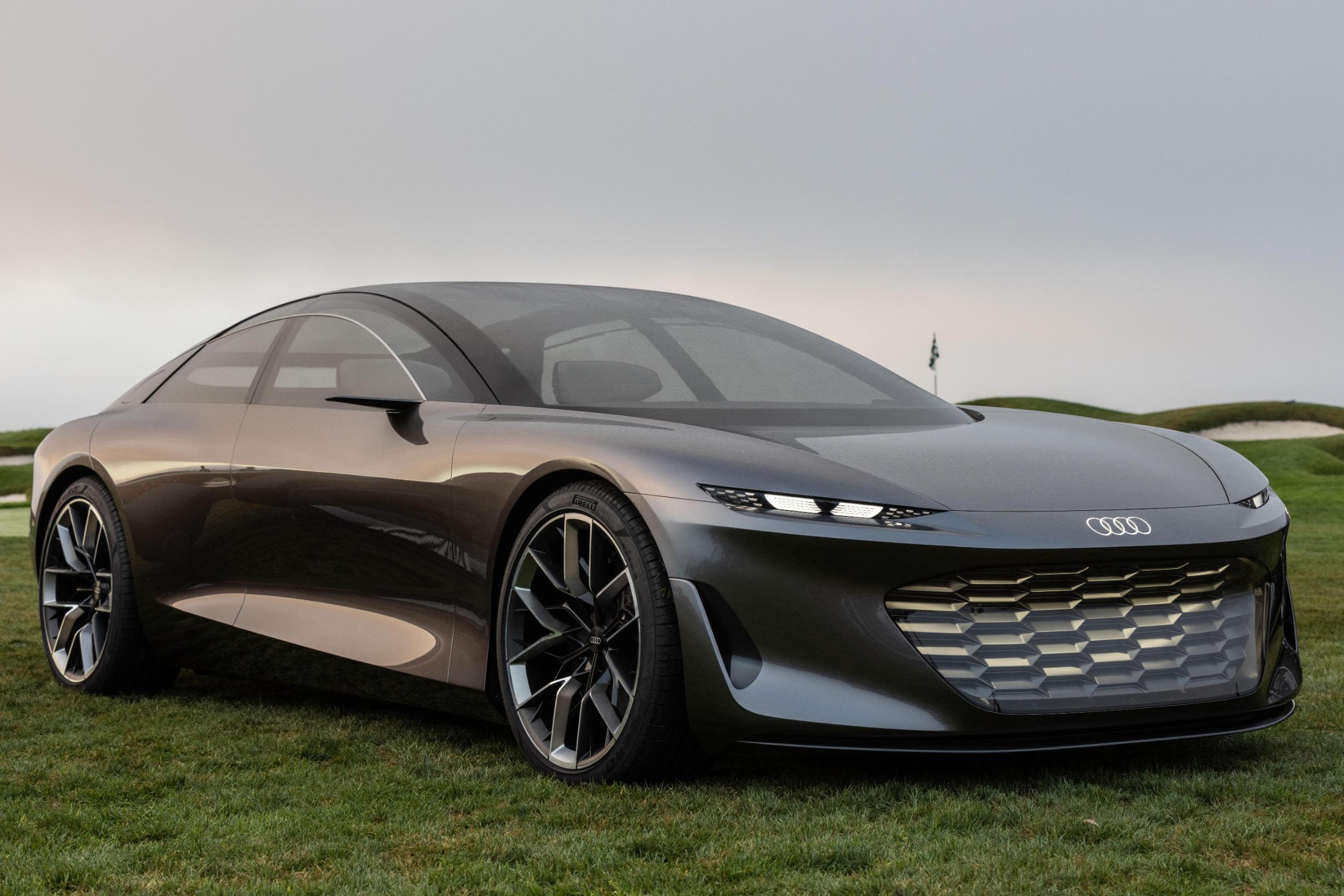
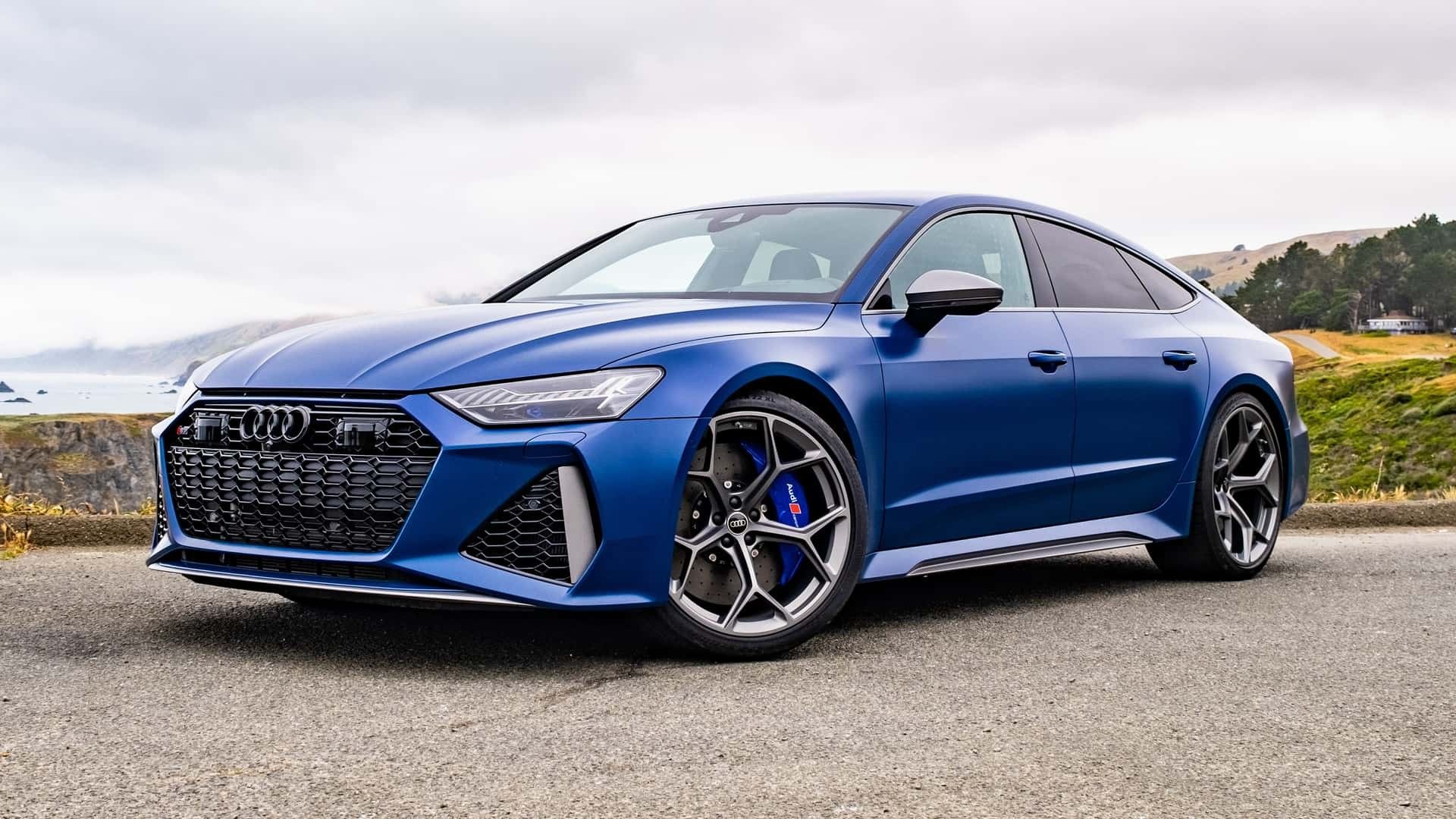
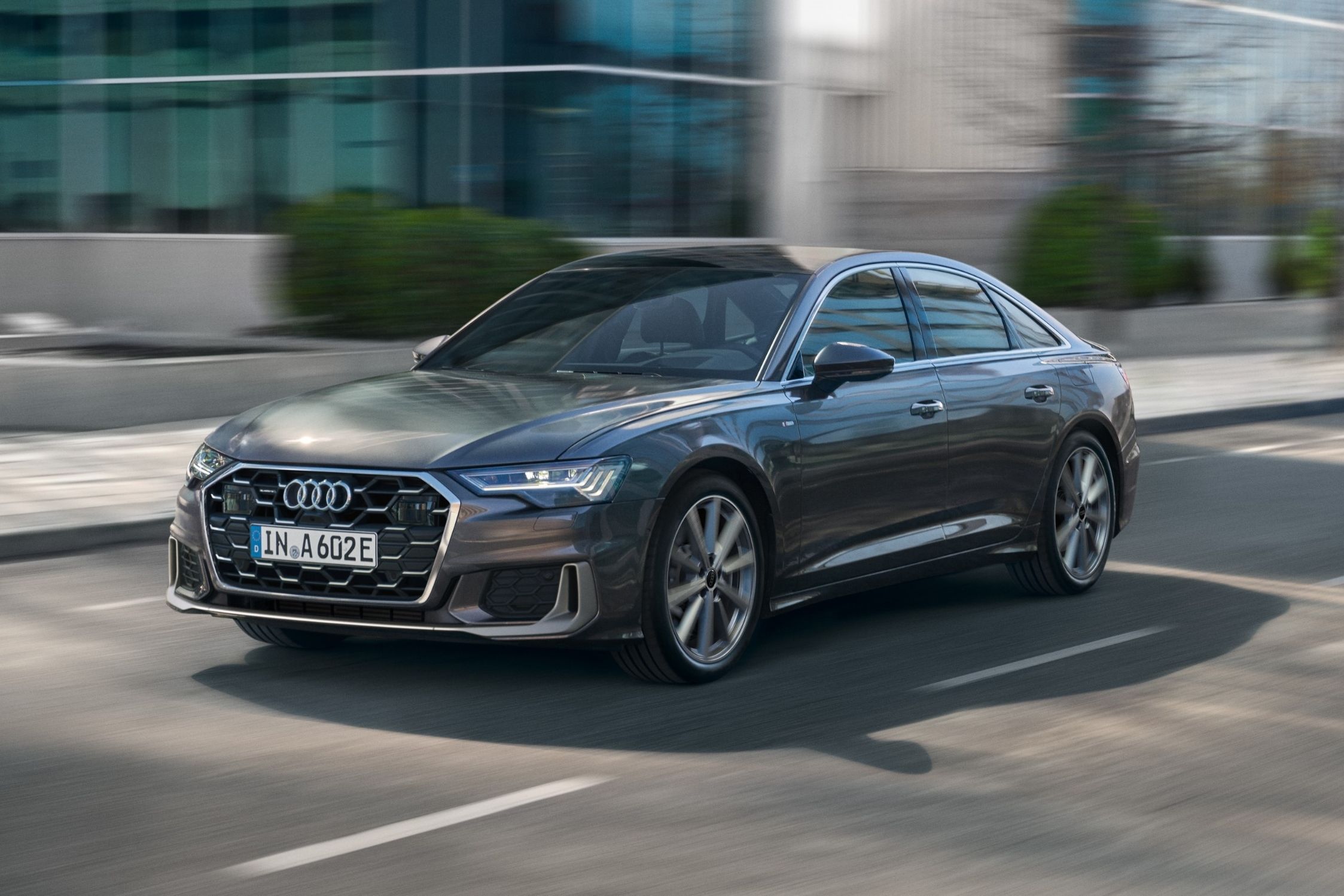
In an industry conditioned to equate expansion with ambition, Audi has done something quietly radical. The brand with the four rings is trimming its lineup, retiring niche variants and consolidating its portfolio around fewer, stronger nameplates. To the reflexive observer, subtraction reads as retreat. To anyone who understands how genuine luxury operates, it reads as something else entirely: a statement of premium confidence. Audi is not shrinking because it must. It is curating because it can.
The numbers tell a story of deliberate contraction. Audi has signalled that its future line-up will be built around a tighter core — the A4, the Q5, the flagship A8, and an ascendant family of electric models led by the Q6 e-tron and A6 e-tron. What falls away is the long tail: the niche coupés, the marginal convertibles, the low-volume derivatives that once padded brochures but rarely moved balance sheets. Among the casualties of this discipline is the TT, a car that has been part of Audi's identity since 1998 and whose retirement after the third-generation Final Edition marked the end of an era. The R8, too, has reached the end of its production run, closing a chapter that began with the Le Mans-inspired original in 2006. Both were beloved. Neither was essential. That distinction is precisely the point.
The Logic of the Luxury House
This is the logic of the luxury house, not the mass-market manufacturer. Consider how the great maisons operate: Hermès does not flood its boutiques with entry-level accessories to chase volume; it protects the integrity of the Birkin and lets desire compound. Rolex does not discount; it manages scarcity so that every Submariner carries weight. Audi is applying the same playbook to sheet metal. When every model in a showroom is a fully resolved expression of the brand — when there is no filler between the A6 and the Q7 — the residual value of the whole portfolio rises. Fewer configurations mean sharper engineering focus per platform, deeper investment in the PPE architecture co-developed with Porsche, and a clearer message to the customer about what Audi actually stands for.
Cutting the Tail to Sharpen the Spear
The financial architecture behind this restraint is equally telling. Audi's parent, the Volkswagen Group, has been candid about capital discipline, and Audi's own leadership under CEO Gernot Döllner has framed the lineup reduction as a prerequisite for funding the electric transition at full strength. The money saved on low-volume derivatives flows into the things that genuinely differentiate a premium brand: software-defined vehicle architecture, refined cabin materials, and the performance credibility that once lived in the R8 but must now be expressed through the e-tron GT and its RS derivatives. Cutting the tail to sharpen the spear is not weakness. It is resource allocation practiced with intent.
Scarcity as a Statement of Intent
There is a psychological dimension, too, that luxury marketers understand instinctively. Abundance diminishes desire; scarcity cultivates it. When a brand sells everything to everyone, it belongs to no one in particular. By refusing to chase every micro-segment — by declining to build a crossover for every conceivable lifestyle permutation — Audi reasserts that its cars are objects of considered choice rather than default consumption. The customer who buys a Q8 is no longer one option among a dozen near-identical silhouettes; they are buying into a clearly articulated hierarchy with a genuine flagship at its apex.
An Instinct With Provenance
History supports the wager. Audi's greatest eras have coincided with clarity of purpose rather than breadth of catalogue. The original Quattro revolutionised the industry not by multiplying variants but by perfecting one idea — permanent all-wheel drive — and letting it define the brand for a generation. The aluminium-spaceframe A8 of 1994 announced that Audi could out-engineer the establishment; it did not need a dozen spin-offs to make the point. The current consolidation is the same instinct in modern dress: a return to the discipline that made the marque formidable, executed in the age of electrification.
The counterargument writes itself — that retreating from segments cedes ground to rivals, that loyalists mourn their departed favourites. But luxury has never been a popularity contest. It is a promise of discernment, and discernment requires the courage to say no. Audi's model diet is not an apology. It is a manifesto, delivered in the most credible language a carmaker possesses: the quiet confidence of a brand that knows exactly what it is, and is unafraid to let the rest go.