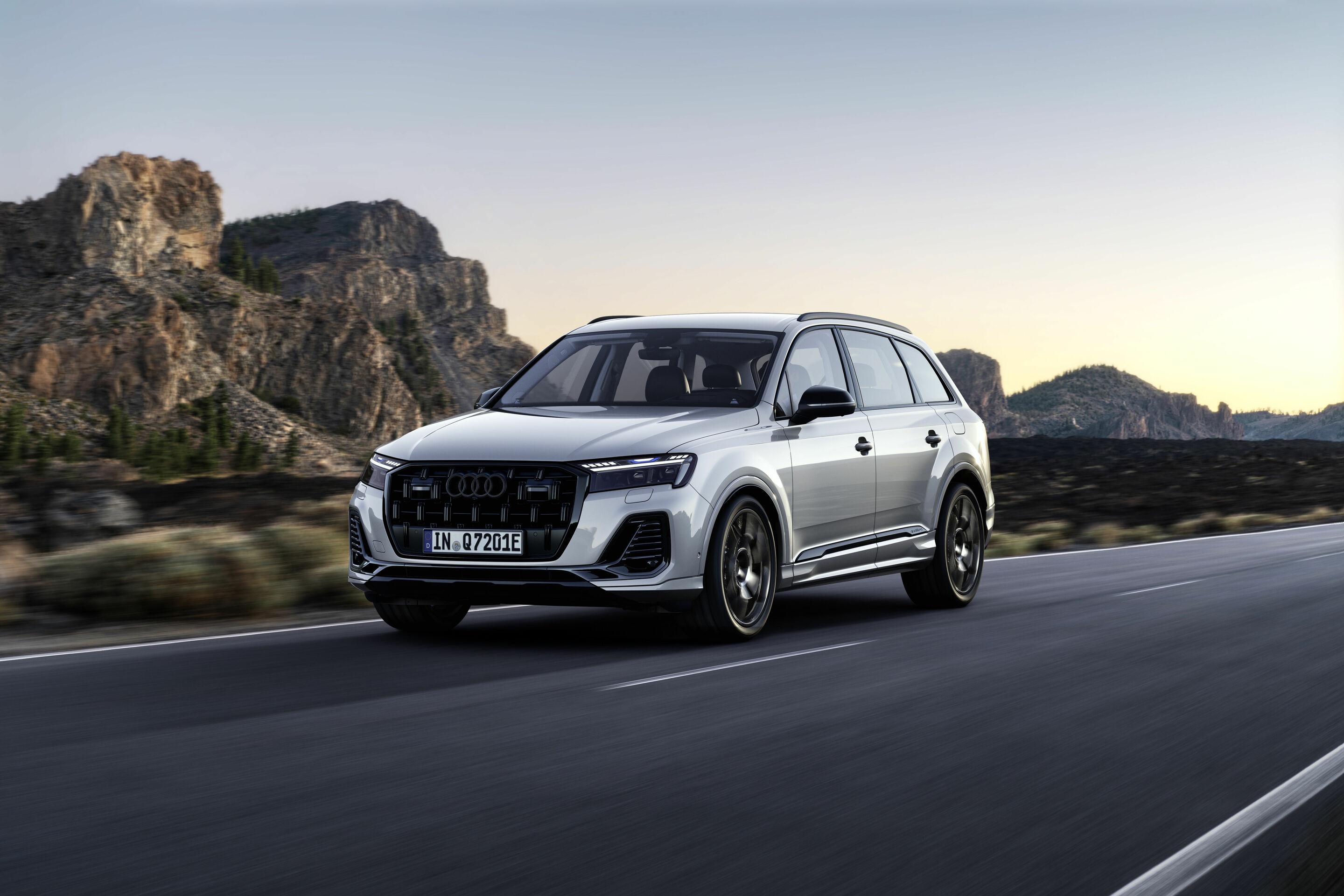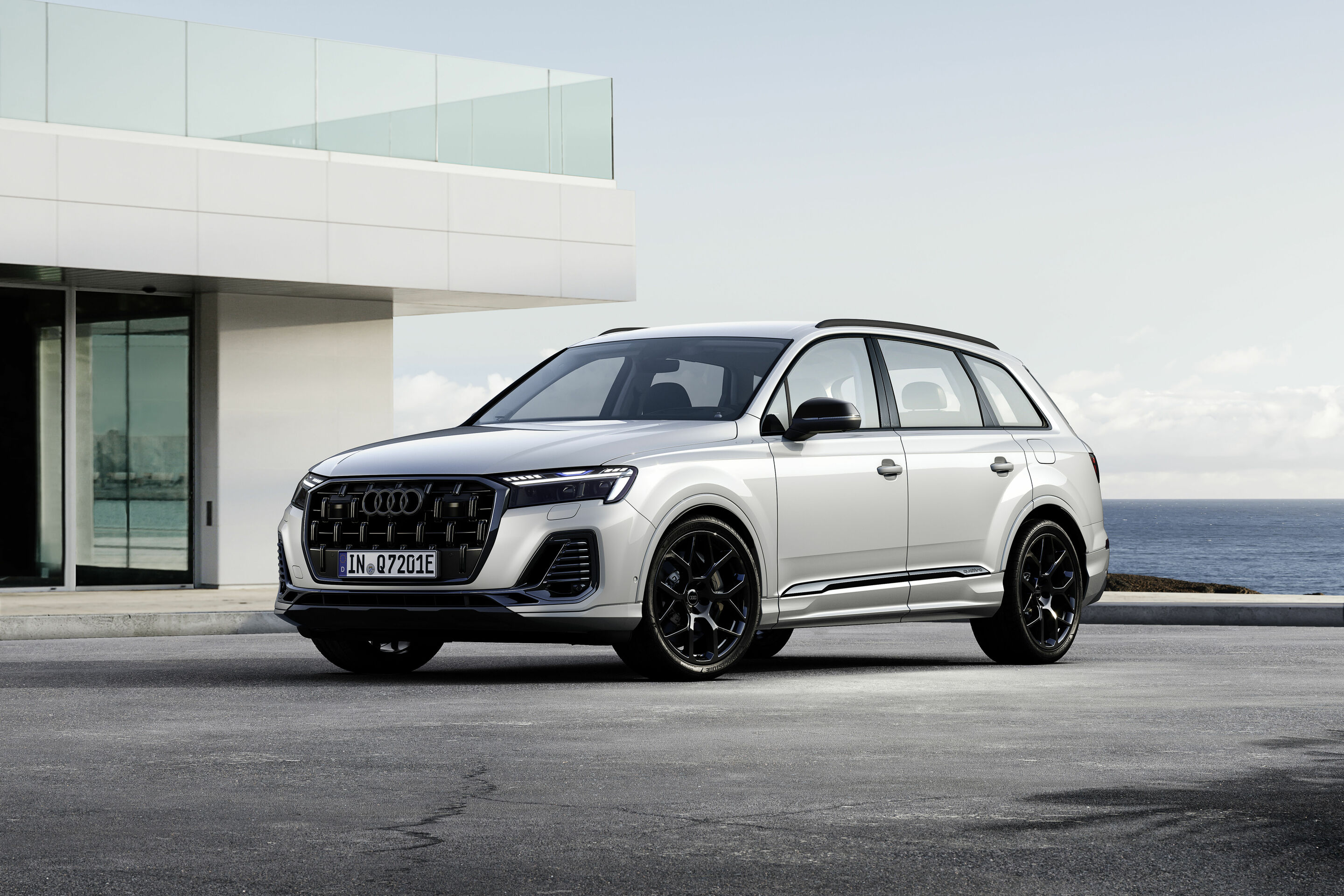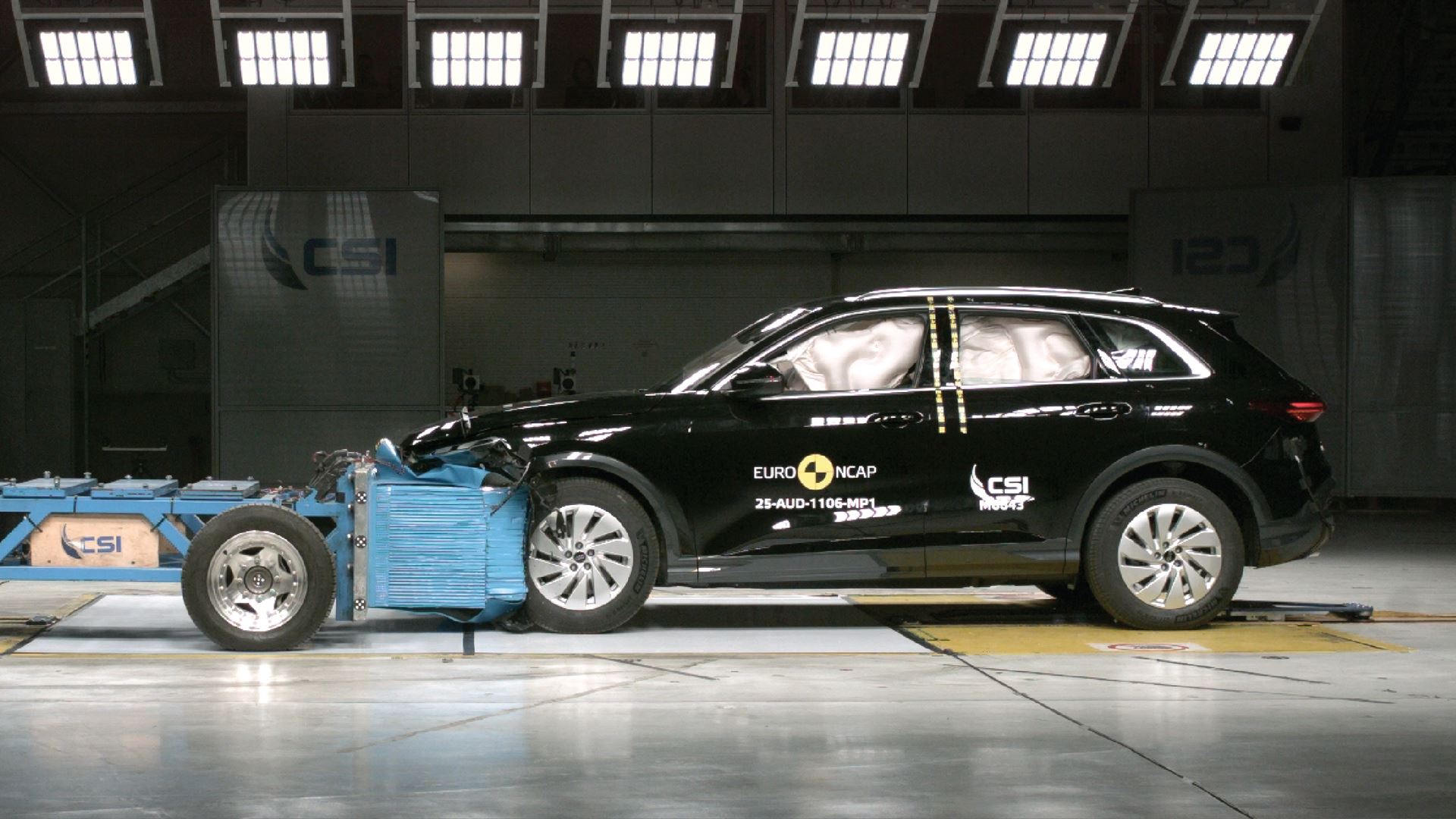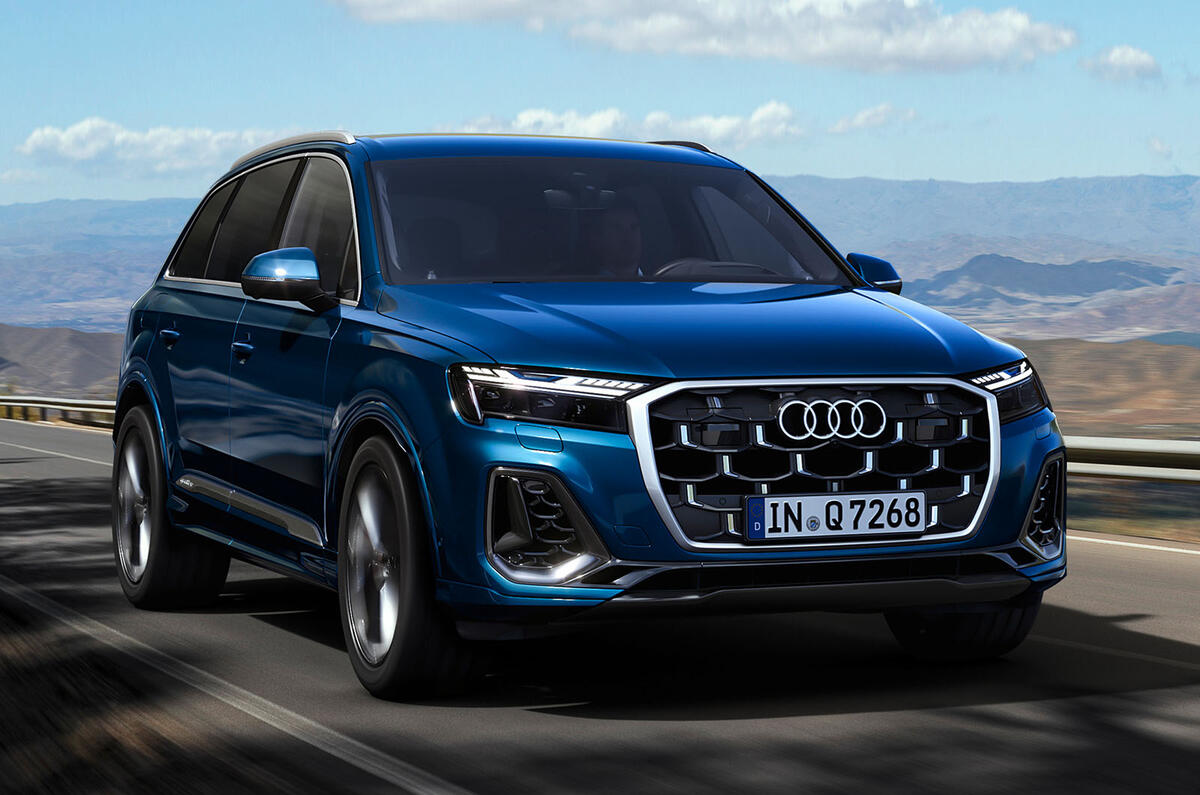
Crash test ratings have long been the currency of automotive safety marketing, and the industry has spent decades chasing five-star scores in the frontal, side, and pedestrian protection categories. But the Audi Q7 has just done something no other production vehicle has managed: it earned a 100 percent score in Euro NCAP's Post-Crash Safety assessment, becoming the first production model to sweep the protocol entirely. It is a milestone that reframes what safety leadership means — not just surviving the impact, but owning the minutes that follow it.
That distinction matters more than most buyers realise. Euro NCAP's post-crash evaluation is deliberately unglamorous. It examines whether doors unlock and remain openable after a severe collision, whether the eCall system transmits accurate location and occupant data to emergency services, whether the hazard warning system activates automatically, and whether the vehicle's architecture gives responders a fighting chance to extract occupants quickly. These are not the metrics that sell cars in a showroom. They are, however, the metrics that determine outcomes when a crash is severe enough to trap someone inside a mangled cabin. The Q7's perfect score means it passed every one of those checks without exception — a clean sweep of the criteria designed to shave seconds off a rescue.
The Unseen Architecture of Rescue
Audi's engineers frame this in refreshingly human terms. Every second counts, they say, and the Q7's result reflects a philosophy that treats post-impact rescue as a design discipline rather than an afterthought. The car's eCall system, mandatory across the European Union since 2018, is one piece of the puzzle, but the Q7 goes further: it integrates crash severity data with occupant detection, allowing emergency responders to know before they arrive how many people are in the vehicle and how badly they are likely to be injured. Meanwhile, the body structure is engineered not simply to absorb energy, but to preserve door integrity and firewall geometry so that hydraulic cutters and spreaders can do their work without fighting the car itself.
This is where Audi's broader engineering culture starts to make sense in context. The brand's motorsport programme — now fully embedded in Formula 1 under the Audi banner — is often discussed in terms of lap times and power units, but the discipline of racing has always been about controlled failure: designing structures that deform predictably, systems that fail safe, and processes that prioritise the human being over the machine. Mattia Binotto's recent remarks that Audi's biggest gains in F1 are happening behind the scenes could just as easily describe the Q7's post-crash engineering. Neither makes for a thrilling headline. Both represent the kind of competence that only reveals itself under extreme duress.
A Quiet Triumph in a Difficult Market
The timing is notable, arriving as Audi faces a difficult commercial moment. Third-quarter deliveries fell by nearly 20 percent, and the broader Volkswagen Group's sales have slipped by double digits in key markets. Competition in the luxury SUV space remains brutal — the BMW X3 continues to pull away from the Audi Q5 in sales volume, and the 2026 Audi SQ5 faces a capable new rival in the Genesis GV70 3.5T. Against that backdrop, a perfect Euro NCAP post-crash score is not a volume driver. It is something quieter and arguably more valuable: a demonstration that Audi still builds cars around first principles, even when the market rewards spectacle.
Why This Milestone Matters
That is the real story here. The Q7's 100 percent score is not a marketing trophy to be paraded alongside horsepower figures or screen sizes. It is proof that the luxury SUV can justify its price premium in the most consequential way possible — by treating the aftermath of a crash with the same rigour as the crash itself. In an era when every manufacturer claims to prioritise safety, Audi has produced the first measurable evidence that rescue readiness can be engineered to perfection. The seconds it saves may never appear on a spec sheet, but they are the ones that matter most.