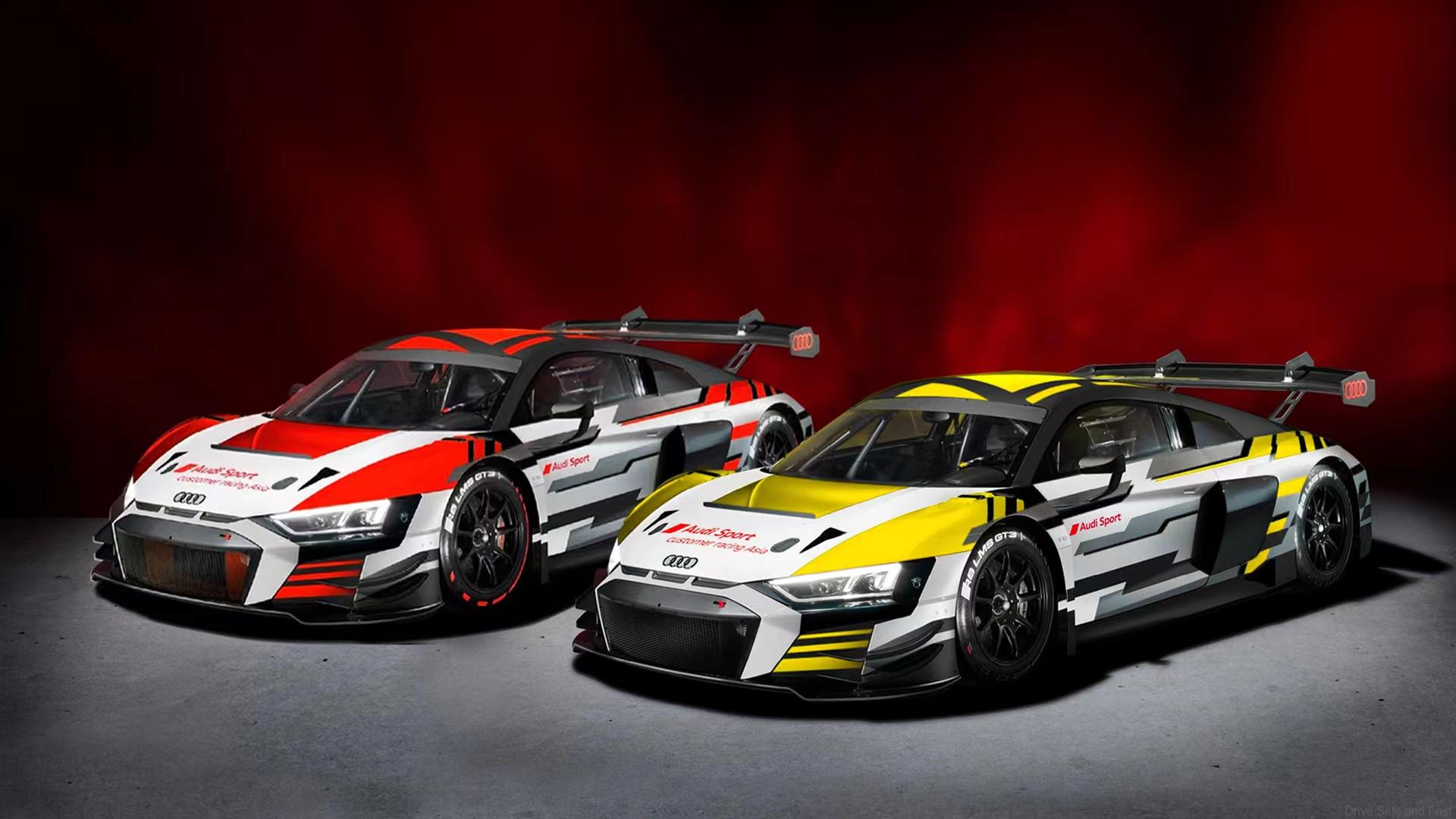
In a Formula 1 era defined by wind tunnel gains and power unit regulations, Audi chose to make its most resonant statement of the season with a paint job. The special Peranakan pattern livery unveiled for the Singapore Grand Prix transforms the R26 into a rolling canvas of batik-inspired motifs, sarong kebaya florals, and the layered pastels of Straits Chinese porcelain — a design language that has nothing to do with downforce and everything to do with belonging. It is a striking piece of marketing, and it arrives at precisely the moment Audi needs it most.
The timing is not accidental. Singapore is Formula 1's great cultural crossroads, a night race where the paddock's corporate sheen meets hawker centres and shophouse tiles. Audi's designers understood that in this setting, a heritage gesture would travel further than another tenth in sector two. The Peranakan livery functions as a love letter to Southeast Asia's Peranakan communities — descendants of Chinese immigrants who intermarried with local Malay populations and built a hybrid culture of cuisine, architecture, and dress that remains one of the region's most distinctive identities. For a German marque still establishing its F1 footprint, that kind of specificity reads as respect rather than opportunism.
A Brand Built on More Than Output
This matters because Audi's brand equity has never rested on raw output alone. The company built its modern reputation on quattro all-wheel drive, on Le Mans dominance, on the quiet confidence of a Vorsprung durch Technik slogan that promised intelligence over aggression. Yet the current news cycle around the four rings skews grim: fatal crashes involving Audi models in Brooklyn and Powys, a Q5 destroyed on a mechanic's joyride, an F1 fine following a Nico Hulkenberg statement, and a broader German auto sector under enough pressure that analysts are calling October a buyer's market. Against that backdrop, a livery celebrating cultural fusion is a reminder of what the brand can be at its best — a storyteller, not merely a spec sheet.
The Moat That Can't Be Homologated
The contrast with the industry's default marketing posture is instructive. Rivals lean on horsepower figures, Nürburgring lap times, and Nm torque curves, all of which have converged to the point of commoditisation. A used Audi RS3 delivering 400 horsepower for reasonable money — as Motor1 recently argued — is a wonderful thing, but it is also a story any competent competitor can tell. Peranakan tilework, by contrast, cannot be copied by BMW or Mercedes without looking like appropriation. Heritage, properly deployed, is a moat.
Places, Not Just Podiums
Audi's broader F1 programme appears to understand this. The announcement of a new F1 campus signals long-term institutional commitment, and the Gold Cup victory in sportscar racing reminds observers that the brand still knows how to win. But the Singapore livery does something subtler: it positions Audi as a marque interested in places, not just podiums. In markets like Singapore, Malaysia, and Indonesia, where Peranakan culture carries genuine emotional weight, that distinction could influence showroom traffic far more than a qualifying result.
Strategy or Stunt?
There is a risk, of course, that heritage becomes costume — a pattern applied for one weekend and forgotten by the next. The test will be whether Audi treats such gestures as a strategy or a stunt. If the company can weave local identity into its global motorsport narrative with the same care it applies to chassis tuning, it will have found something its rivals lack. Horsepower is easy to homologate. Cultural fluency is not. On the streets of Marina Bay, Audi proved it understands the difference — and that, more than any lap time, is what people remember.