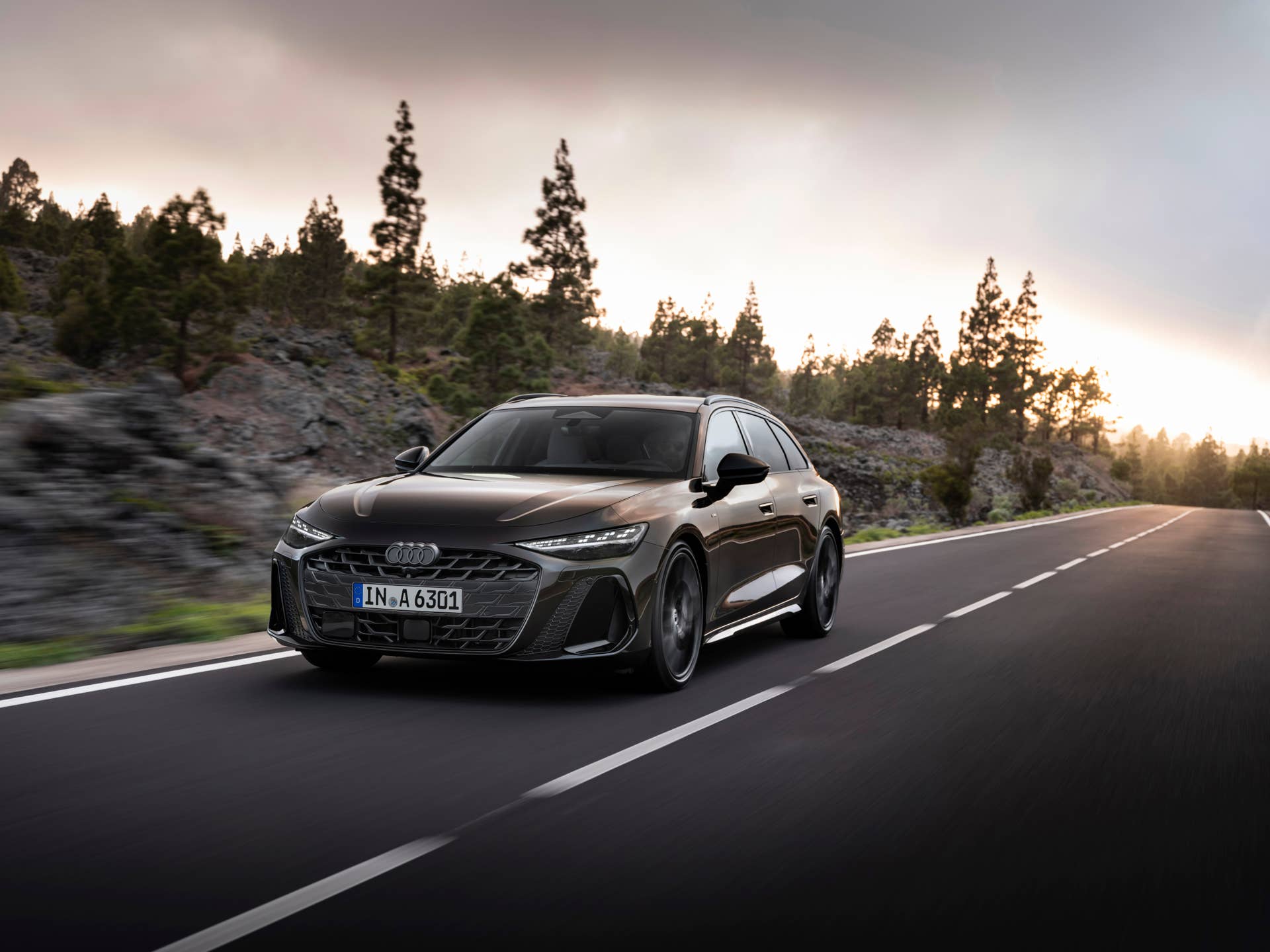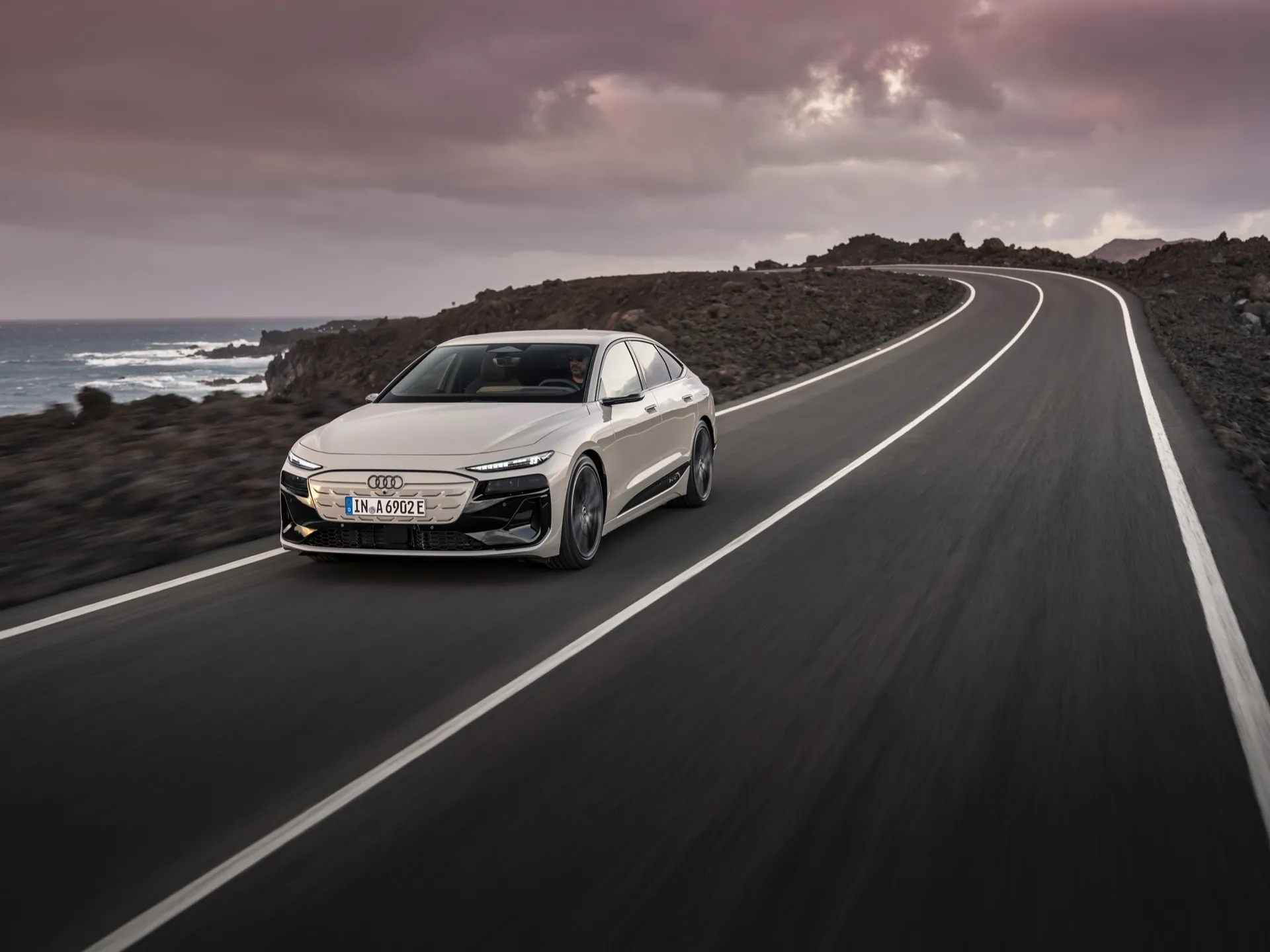
Two stories landed within days of each other, and they could not be more different. In one, an Audi A6 Sportback e-tron driven by Miko Marczyk covered 1,338 kilometres — 831 miles — on a single charge, setting a Guinness World Record and beating Lucid, the company that built its entire identity around efficiency, at its own game. In the other, the Volkswagen Group announced a recall of almost 2.86 million vehicles worldwide, a substantial share of them Audis, over a single screw that could cause a loss of steering.
One is a triumph of engineering ambition. The other is a reminder that the automobile remains a machine assembled from millions of small, fallible parts. Which one defines Audi depends entirely on what you believe a car brand is for.
The Record Deserves to Be Taken Seriously
The A6 Sportback e-tron is not a stripped-out science project. It is a production-shaped electric executive car, and those 1,338 kilometres were covered on real roads under Guinness scrutiny. Yes, the figure is roughly double what most owners will ever see in daily use, and Audi knows it. But that is precisely the point of such an exercise. Range anxiety remains the single largest psychological barrier to EV adoption, and every kilometre added to the headline number chips away at it.
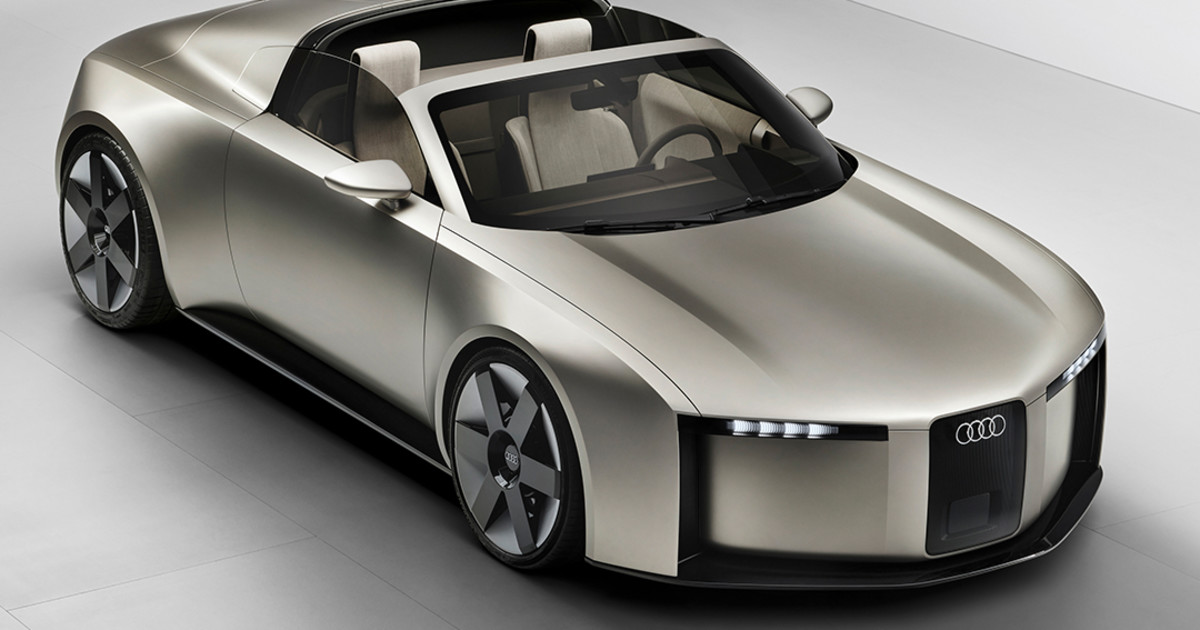
When Audi takes the range crown from Lucid, it is making a statement about where its engineering priorities now lie. The same week brought confirmation from Audi's Formula 1 programme that its colossal upgrade package is "delivering as expected," plus another pole position for the brand in sports car racing. On the track and on the test route, the technical story is coherent, confident, and forward-facing.
The Recall Is Equally Serious
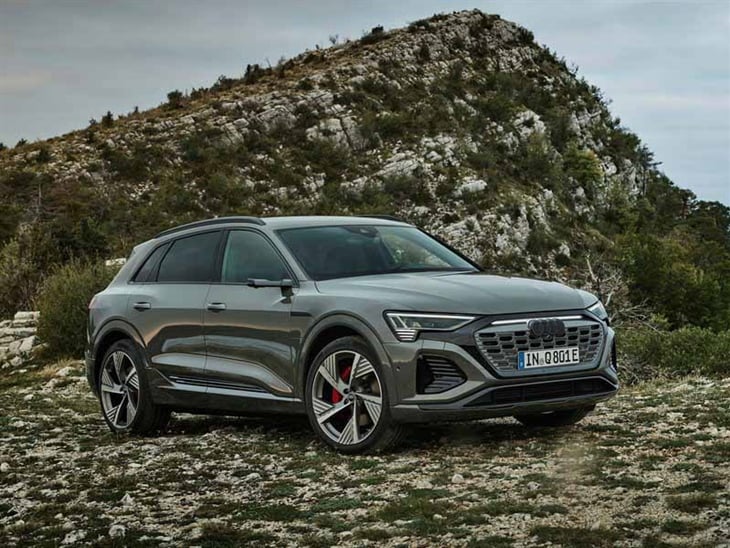
A screw that can compromise steering is not a software glitch or a trim annoyance. It is a fundamental safety defect, and the scale is the kind of number that shapes public perception for years: nearly three million vehicles across the Volkswagen Group, with close to a million in Germany and over 200,000 in the United States alone.
Recalls of this magnitude are expensive, but the reputational cost is harder to quantify. Audi has spent four decades constructing a narrative of *Vorsprung durch Technik* — advancement through technology — and a defect that simple cuts against that promise in the most literal way. Buyers forgive complexity. They are less forgiving when the failure is a fastener.
Neither Story Is the Aberration
The temptation is to declare one story the real Audi and the other a temporary embarrassment. That instinct is wrong. Both are true, and both are permanent features of modern car manufacturing. Every premium brand — BMW, Mercedes, Porsche — carries a recall ledger alongside its trophy cabinet. What distinguishes a manufacturer is not the absence of defects but the speed, transparency, and seriousness of the response, and the degree to which the engineering culture that produced the record is the same culture that will investigate the screw.
That last point matters more than either headline. A brand capable of extracting 831 miles from a single charge is a brand with deep technical resources. Whether those same resources are turned inward on a one-dollar part with the same rigour is the real test.
So which story defines Audi? Neither alone. The record defines what Audi aspires to be: a company capable of beating the world's best at their own game. The recall defines what Audi actually is: a mass manufacturer whose scale makes perfection impossible. The brand lives in the tension between those two facts — and how convincingly it resolves that tension in the next twelve months will matter more than anything Guinness or a recall notice can tell us.