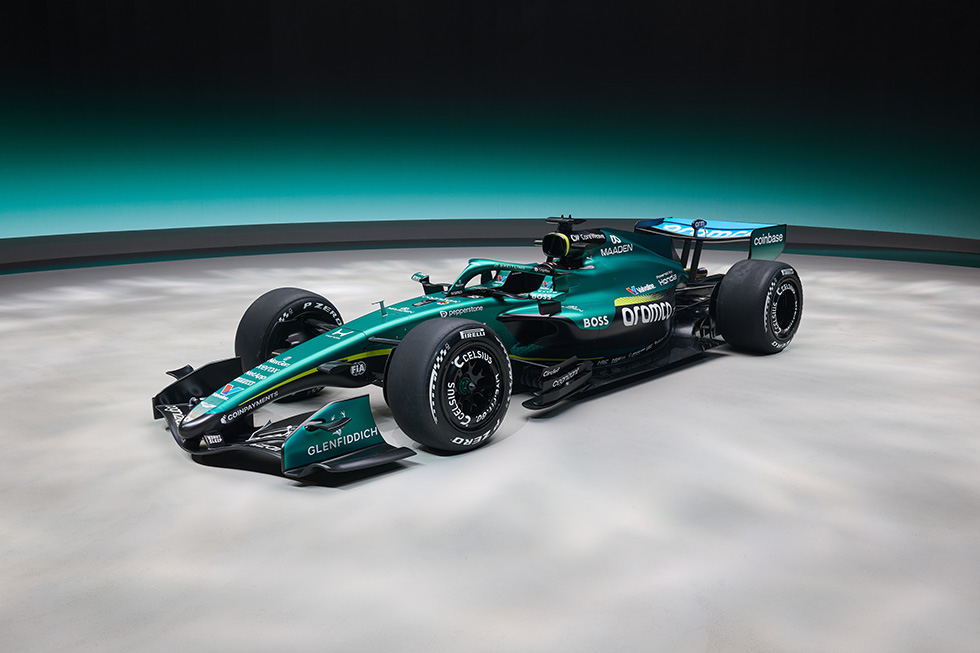
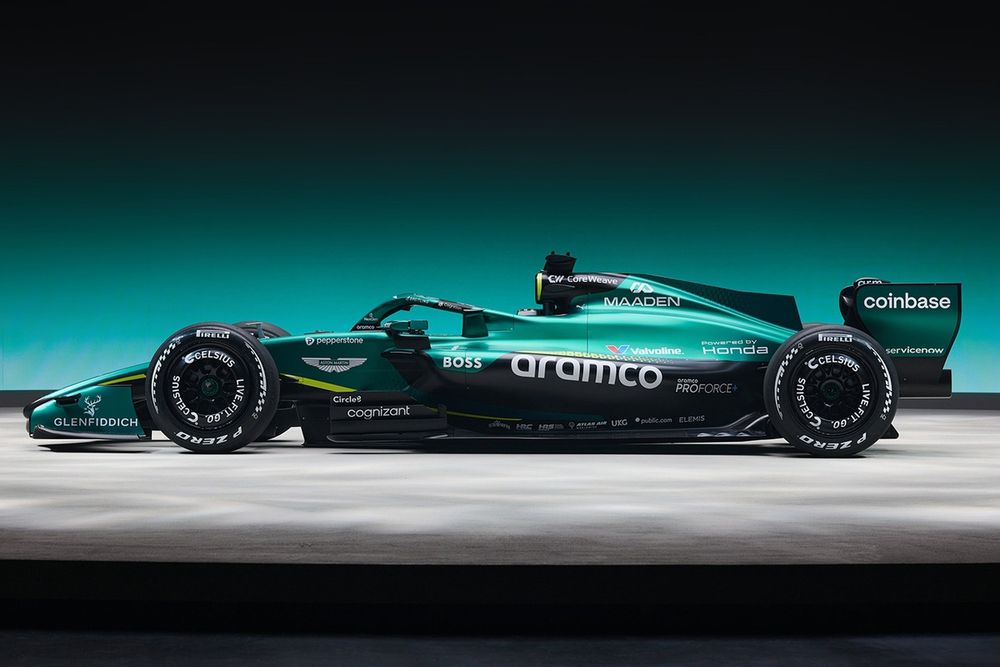
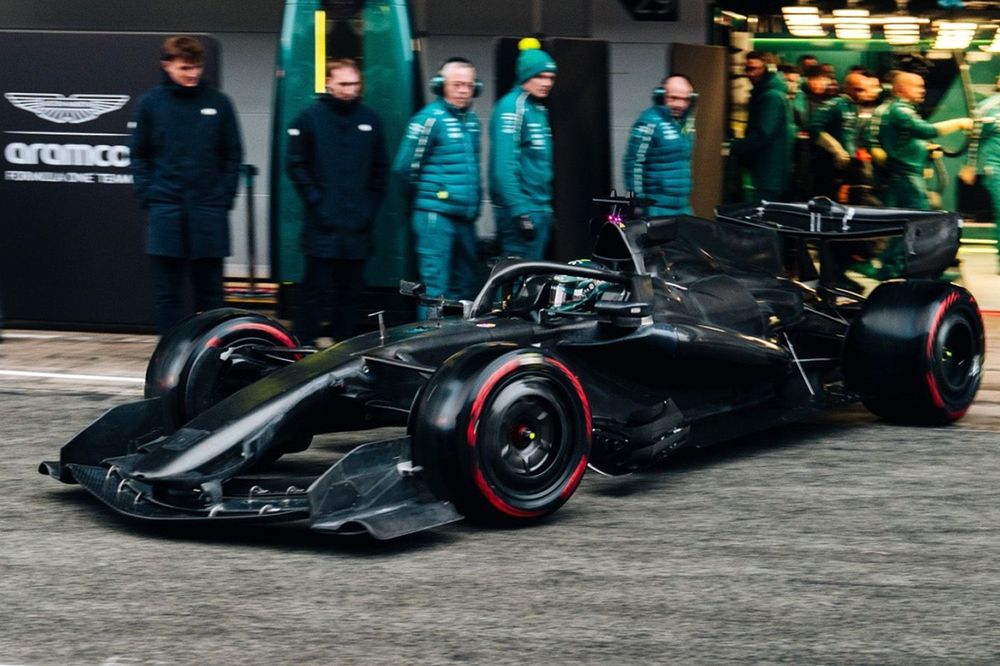
Formula 1 is a sport of obsessive incrementalism, where a tenth of a second is carved from a thousand invisible details—aero flick-ups, suspension kinematics, and the precise angle of a bargeboard. So when Aston Martin reportedly slams the brakes on aero and chassis development for its 2026 contender, it’s a statement loud enough to echo through the Silverstone wind tunnel. The only performance avenue left on the table? A relentless, near-ascetic pursuit of weight reduction. It’s a strategy of startling purity, and one that could either be hailed as a masterstroke of engineering foresight or filed under cautionary tales in the Grand Prix archives.
On its surface, the logic is brutally simple. The 2026 power units introduce a 50/50 split between internal combustion and electrical energy, mandating a significant jump in battery and hybrid hardware. That inevitably pushes minimum car weights upward, making the next generation heavier, slower in corners, and harder on tires. By shedding every possible gram from the chassis, Aston Martin is betting that lightness pays compounding dividends over a race stint. Weight, unlike downforce, is a currency that yields returns in every corner, every braking zone, and every exit onto the straight. While rivals chase lap time through complex aerodynamic maps and suspension geometries that may or may not align with the new rulebook, Aston Martin is targeting the most fundamental performance metric in motorsport.
A Philosophy of Subtraction
This isn’t just about skinnier bodywork or deleting a few trim pieces. It’s a holistic engineering mindset that treats mass as the enemy of agility. A lighter car brakes later, turns in sharper, and crucially, is kinder to its tires—an advantage that compounds over a 60-lap grand prix. In the era of budget caps, a weight-reduction program is also remarkably efficient. It leans more on material science—carbon-fiber layups, titanium fasteners, and exotic composites—than on endless CFD hours and wind-tunnel iterations. For a team still building its infrastructure to chase the top three, this fiscal prudence is as much a strategic weapon as the weight saving itself. It’s a way to punch above their weight class, literally and metaphorically, by focusing resources on a single, high-yield target.
There’s a romantic precedent here. Motorsport history has seen dominant eras built on sheer lightness, most famously the Lotus 49 and Type 79—machines that revolutionized the sport by stripping away excess and prioritizing mechanical grip. In an era where complexity often masks a lack of fundamental understanding, Aston Martin is channeling that spirit. The question is whether that philosophy translates to the hyper-complex world of 2026, where energy management and aero efficiency will be locked in an intricate dance.
The High-Stakes Risks
This gamble, however, carries considerable risk. The 2026 regulations are a blank canvas, and teams that interpret the new aero and power-unit rules most effectively will likely build an insurmountable head start. To forgo development in these areas now is to trust that the current design philosophy sits close to the theoretical optimum—an assumption that has unseated many ambitious projects. It also places immense pressure on the partnership with Honda, whose new power unit must not only be reliable but also perfectly integrated into a chassis that cannot be modified to accommodate unforeseen packaging issues. One miscalculation in energy management or cooling requirements, and Aston Martin’s featherweight machine could find itself with no room to adapt, its singular focus having painted it into a corner.
The news of Tom McCullough’s departure to Red Bull adds another layer of intrigue. The loss of a long-serving engineering chief could disrupt the execution of such a delicate, focused project. But it may also signal a deliberate cultural shift under guidance from figures like Enrico Cardile, recruited from Ferrari to inject fresh technical direction. The decision to go all-in on weight suggests a leadership team willing to be unconventional, to ignore the herd mentality of relentless aero updates, and to trust in a holistic, physics-first approach.
The Integration Question
Ultimately, the 2026 season will be decided by the quality of integration between chassis, power unit, and driver. With Fernando Alonso’s future tied to the car’s competitiveness—he’s been characteristically candid about wanting to see the project’s potential—the pressure is immense. A featherweight chassis is only as good as its ability to wrap around the Honda unit’s cooling demands and energy recovery systems. If the packaging is even slightly off, the weight advantage evaporates in a cloud of compromised radiators or aerodynamic turbulence.
Yet, there’s a quiet confidence in this approach. By committing to shed grams while others chase downforce, Aston Martin is betting that the simplest solution is the most effective one. In a sport increasingly defined by complexity, they are placing their faith in the elegant, unforgiving truth that a lighter car is a faster car. It’s a bold, romantic gamble—and one that will define this ambitious team’s legacy for years to come.