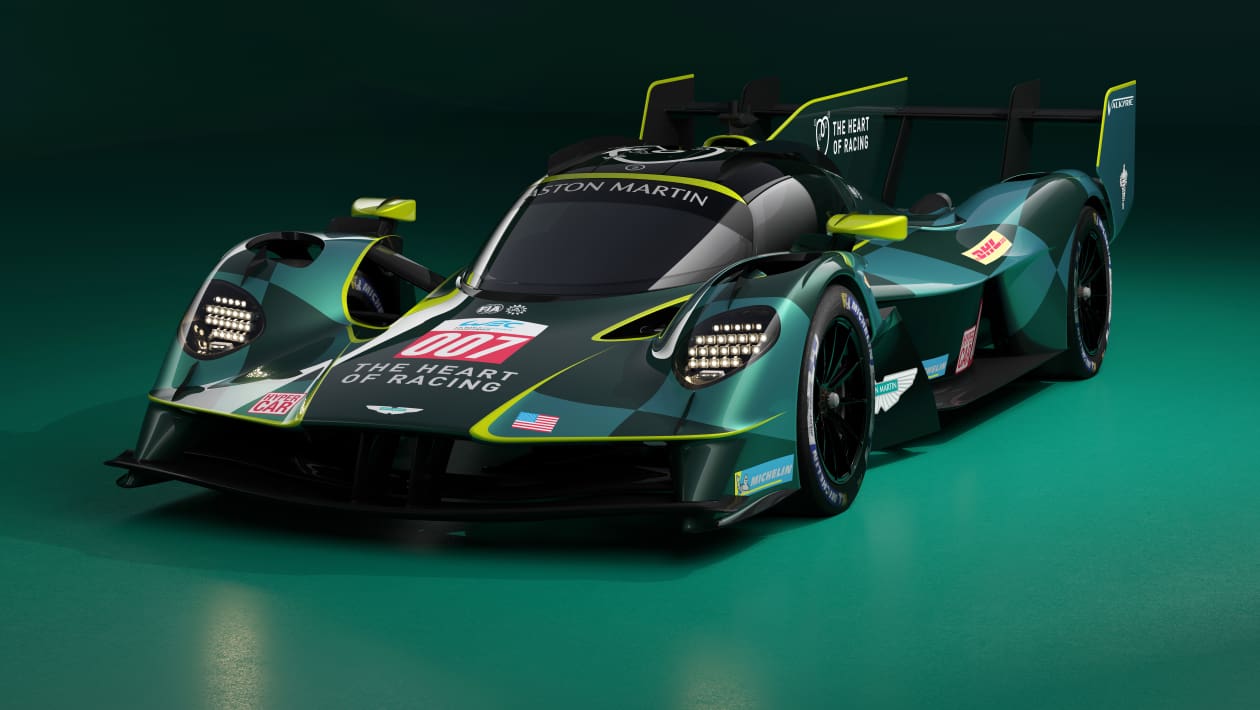
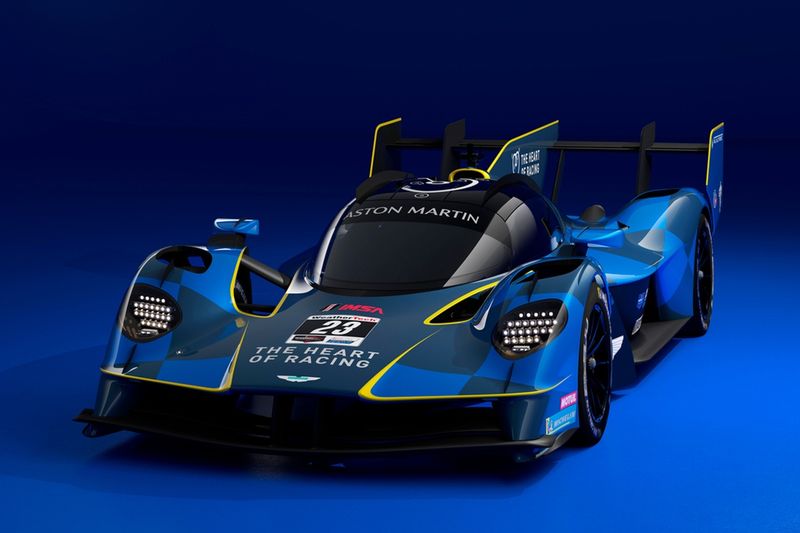
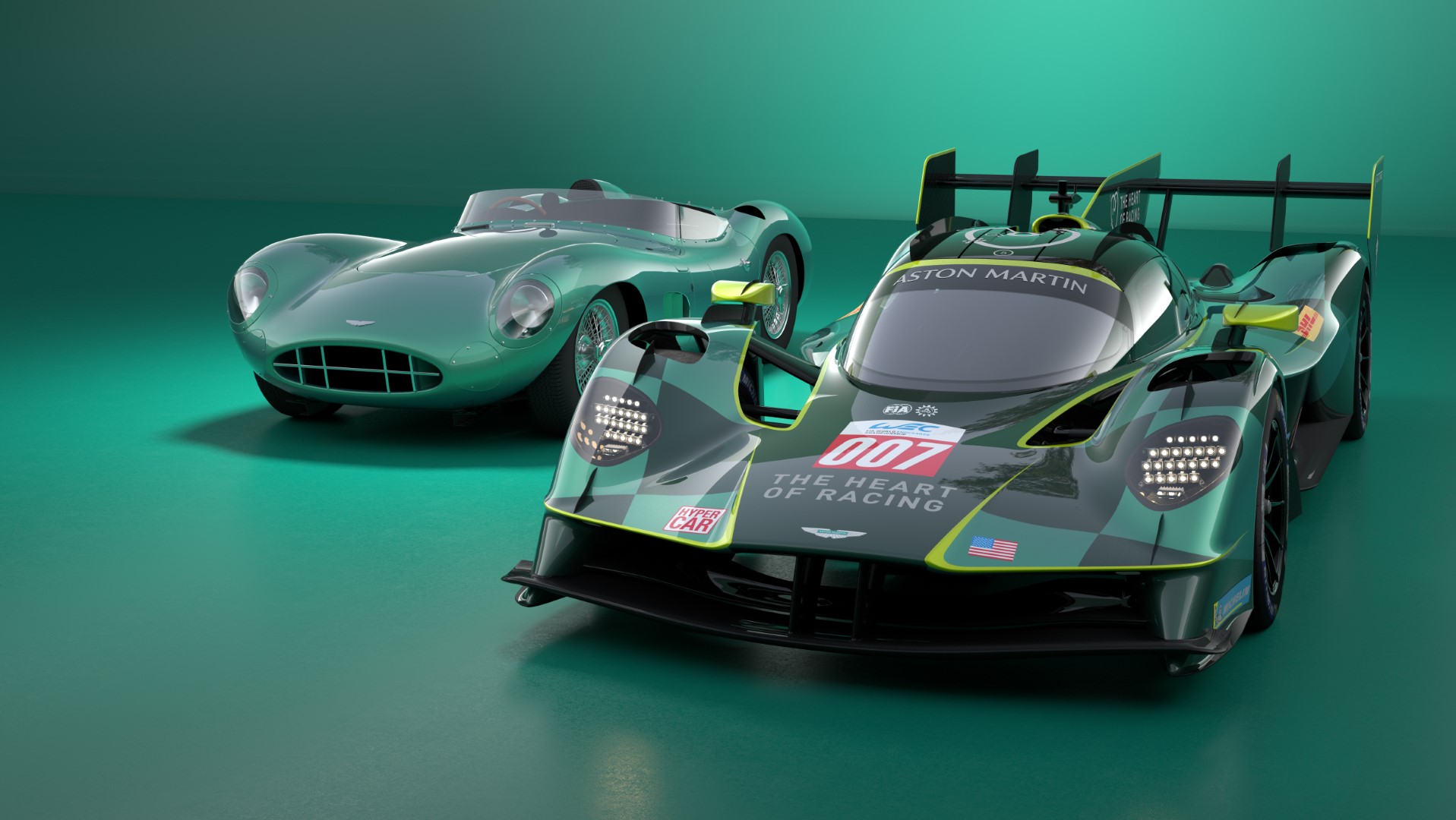
There is a photograph from Monaco that stops you cold. A Valkyrie LMH — Aston Martin's Le Mans Hypercar, a machine engineered to absorb twenty-four hours of punishment at La Sarthe — parked on the deck of a superyacht in Port Hercule. Absurd? Entirely. Ostentatious? Without apology. And yet it may be the most eloquent piece of brand strategy to come out of Gaydon in years.
Think about what that image actually says. The Valkyrie LMH isn't a show car in any conventional sense. It's the road-going extension of a racing programme built to fight Ferrari, Toyota and Porsche in the World Endurance Championship. And here it sits, staged in the one harbour on earth where wealth and motorsport collide without embarrassment, on the same weekend Lance Stroll was spotted threading an ultra-rare £3 million Aston through Monaco's streets. None of that is coincidence. It's choreography.
Building the Halo From the Top Down
The logic is deceptively simple: Aston Martin is constructing its halo from the top down. While the Formula 1 team grinds through a bruising campaign — grid penalties in Azerbaijan, a straight-line deficit at Baku so pronounced that observers noted every F2 car was quicker, and mounting external pressure over the Honda power unit — the road-car division is quietly assembling the most compelling performance narrative in its history.
The Valkyrie hypercar. The Valhalla, now reportedly poised to become even more exotic. The Vanquish, a car Motor1 declared everything a V12 should be. And an 838-horsepower special that Car and Driver likened to a Vanquish gone gloriously mad. That's not a product plan. That's a mythology under construction.
The V12 as Beating Heart
Set all of it against the machinery itself. A V12 villain, as one headline put it — and a V12 that remains the beating heart of the marque's identity even as the industry electrifies around it. Aston Martin understands something its rivals occasionally forget: halo cars are not marketing exercises. They are permission slips. The Valkyrie on a yacht in Monaco legitimises every DBX S that rolls off the line — and MarketWatch's verdict on the 2026 DBX S, that its luxury is fundamentally about the driving, is precisely the sentiment such a halo is designed to seed.
Desirability Per Unit, Not Units Per Annum
There is harder commercial logic at work too. Aston Martin is not a volume manufacturer and cannot pretend otherwise. Its fortunes rest on desirability per unit, not units per annum. Every Valkyrie LMH parked on teak decking, every ultra-rare Aston caught under a Monaco streetlamp, every endurance programme contested at Fuji and beyond, compounds that desirability in a way no advertising budget could replicate. The superyacht is the medium. The message is that Aston Martin builds cars for people who already have everything — and still want this.
What Outlasts the Headlines
The F1 penalties will pass. The Honda debate will resolve one way or another. What will remain is the architecture Aston Martin is erecting: a motorsport programme that lends authenticity, a hypercar lineage that lends myth, and a road-car range — Valhalla, Vanquish, DBX S — that converts both into showroom traffic.
The Valkyrie LMH on that yacht was not a stunt. It was a thesis statement, delivered in the only harbour where anyone was listening closely enough to understand it.