For decades, the phrase "you buy an Alfa Romeo with your heart, not your head" served as both a compliment and a warning. Enthusiasts accepted the bargain willingly: sublime steering feel, intoxicating engines, and a soul no German rival could replicate — in exchange for electrical gremlins, temperamental cooling systems, and a service bay that knew them by name. The deal was always emotional, never rational. That bargain, quietly and without fanfare, has been rewritten. The most surprising development in the modern automotive landscape isn't an electric hypercar or a resurrected nameplate. It's that Alfa Romeo reliability now genuinely exceeds its reputation — and the gap between the two is widening with every model year.
The evidence is no longer anecdotal. Industry reliability surveys and owner data have begun placing Alfa Romeo's recent products — particularly the Giulia and Stelvio — in territory that would have seemed laughable a decade ago, in some cases outpacing stalwarts from Germany and even Japan. What was once a punchline has become a footnote, largely because the people still making the joke stopped paying attention around 2016. The turnaround didn't announce itself. It simply accumulated, model year after model year, until the data could no longer be ignored.
The Giorgio Reset
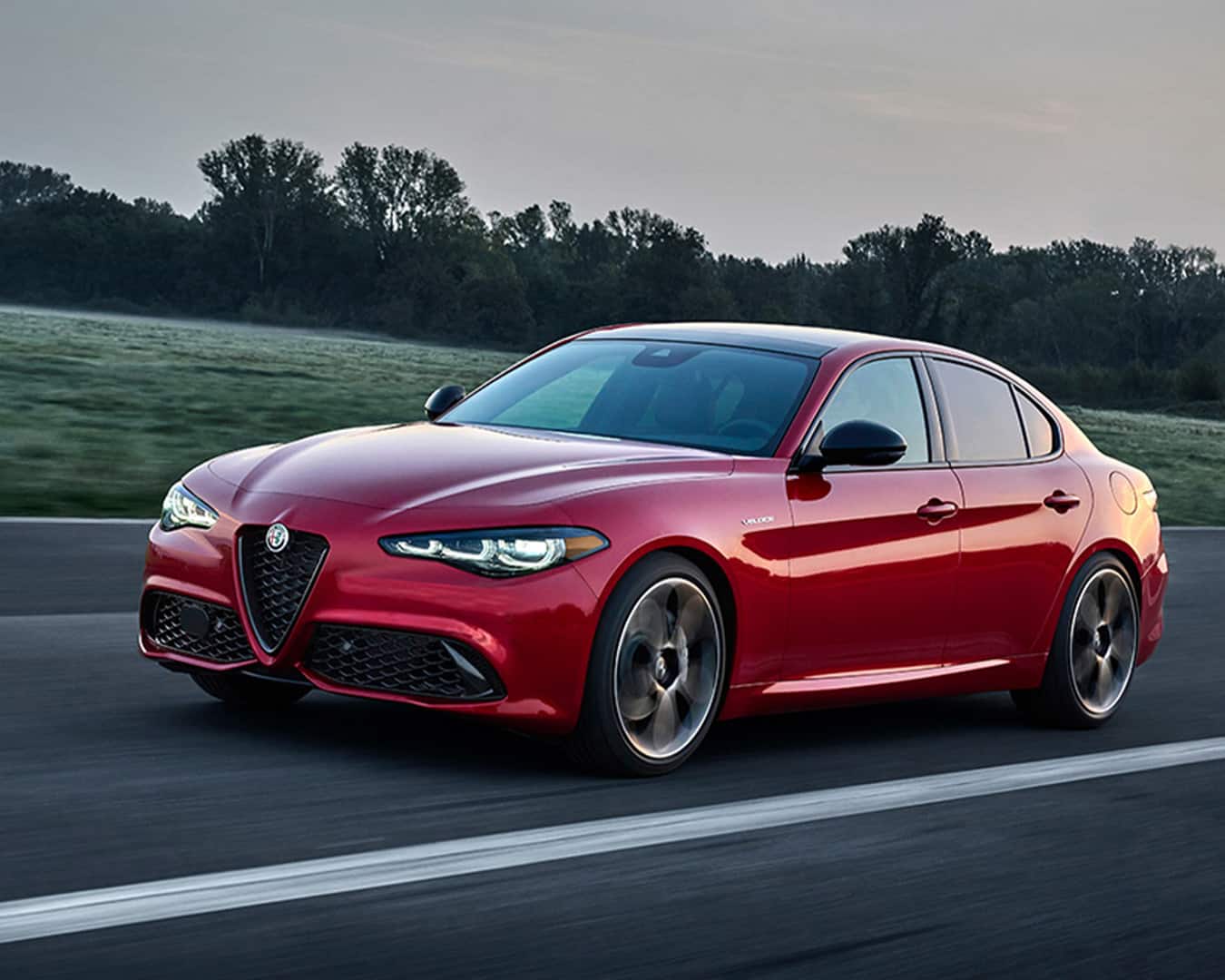
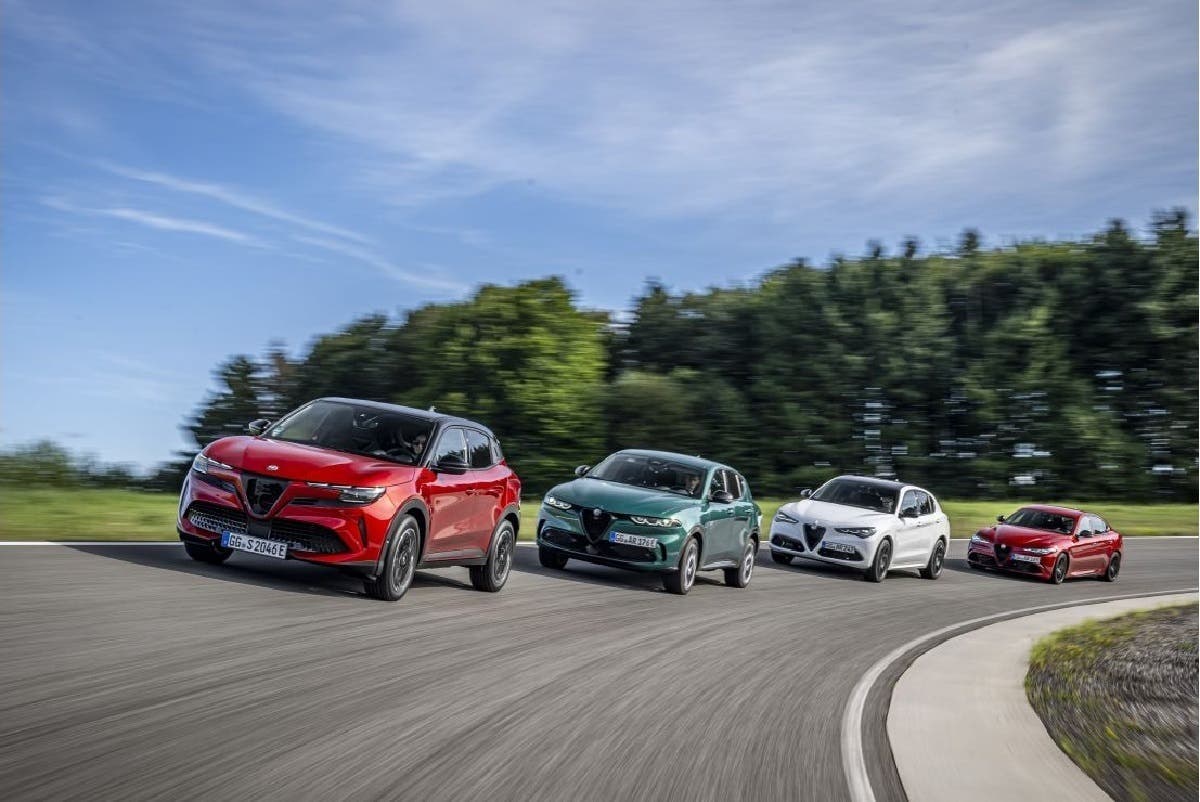
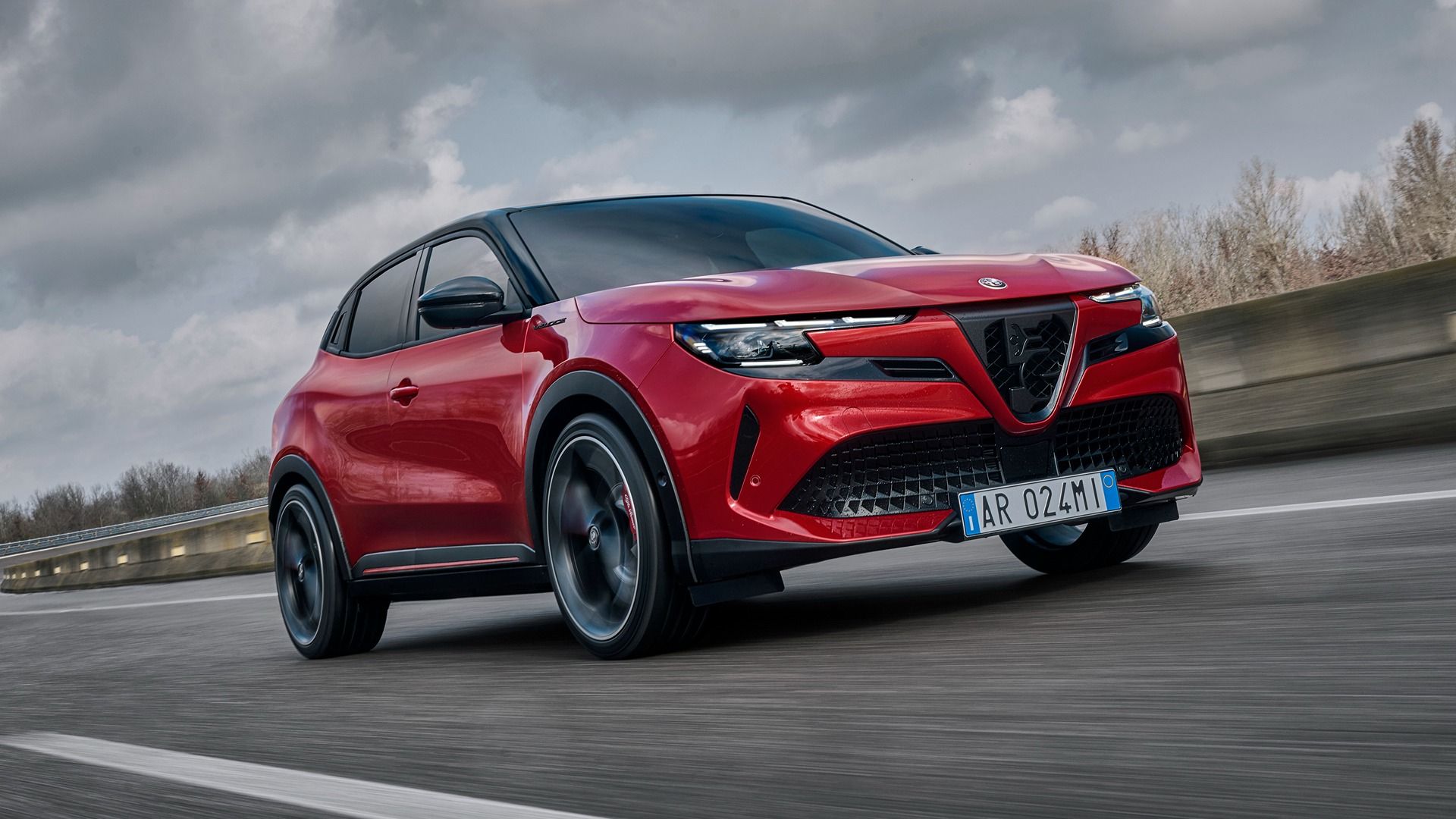
Consider the arc. The Giulietta, for all its charm, carried the sins of the MiTo era — electronics that sulked, interiors that rattled, dealership networks that treated service as an afterthought. But the pivot to rear-wheel drive with the Giulia wasn't merely a dynamic statement. It was an engineering reset. Alfa Romeo rebuilt its quality processes from the ground up, and the results have compounded quietly through the Tonale and, most recently, the Junior Ibrida, which long-term testers have found to be not just characterful but dependable — a combination that once bordered on oxymoronic for the brand.
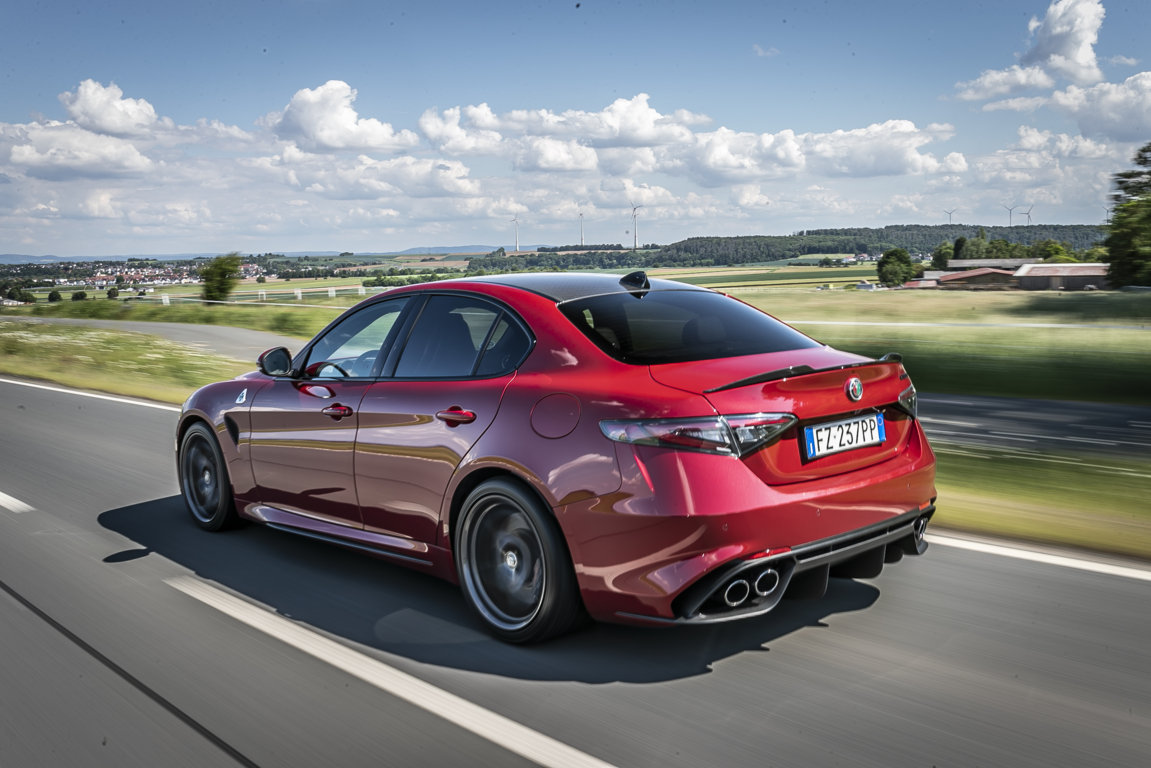
The Giorgio platform underpinning the Giulia and Stelvio has matured into one of the most structurally sound architectures in the segment. The 2.0-litre turbocharged four and the Ferrari-derived 2.9-litre V6 in the Quadrifoglio have proven robust. These aren't outlier claims from optimistic forums; they're patterns emerging across reliability surveys and owner data alike. The Junior in particular matters: it's the volume model, the one that must convince ordinary buyers rather than enthusiasts, and early ownership reports suggest it's doing exactly that.
The Value Inversion
None of this is to say Alfa Romeo has become Toyota. It hasn't, and it shouldn't. A brand that trades on emotion cannot afford to sand away every rough edge, and the occasional quirk remains part of the deal. But the calculus has shifted in a way that demands acknowledgment. When a 505-hp Giulia Quadrifoglio with a Ferrari-bred engine can be found for less than a new family sedan — and can then be driven daily without the looming dread of a flatbed — the value proposition becomes almost absurd.
The classic Spider Veloce and the drop-tops that once defined attainable Italian motoring now look like the last of a dying breed: beautiful cars you admired but feared to own. Their modern successors have inverted that equation. The heart still leads the purchase decision, but the head no longer objects. That's a fundamental change in what an Alfa Romeo asks of its owner, and it deserves more attention than it's received.
The Reputation Lag
The timing is striking. Alfa Romeo is preparing a new concept car — a manifesto for the brand's future — for the Paris Motor Show, and the next-generation Stelvio is confirmed, albeit not until later this decade. The brand is asking buyers to believe in its future at precisely the moment its present has quietly become credible. That's a rare alignment.
For years, Alfa's problem was that its reputation ran ahead of its reality — the myth of unreliability outliving the engineering that had solved it. Now the reverse is true. The reality has outrun the reputation, and the buying public hasn't fully caught up.
That lag is the opportunity. There is a brief window — before the market corrects, before the surveys filter through to the showroom floor, before the Giulia and Stelvio stop being bargains — in which the smartest purchase in the sport sedan segment is the one your neighbour still smirks at. Alfa Romeo spent a century earning its reputation. It has now spent a decade quietly earning a better one. The heart was never the problem. It turns out the head can finally come along for the drive.