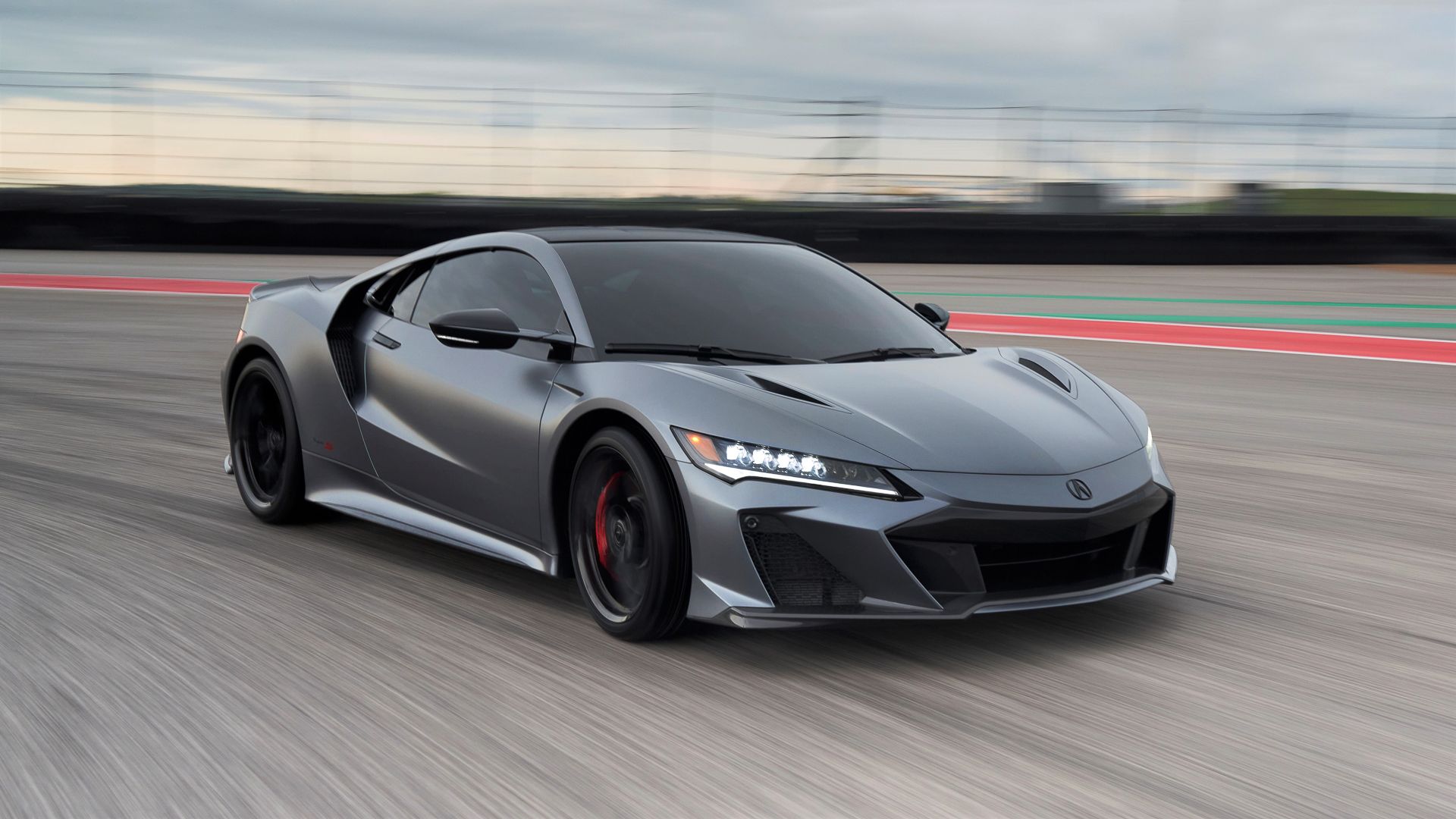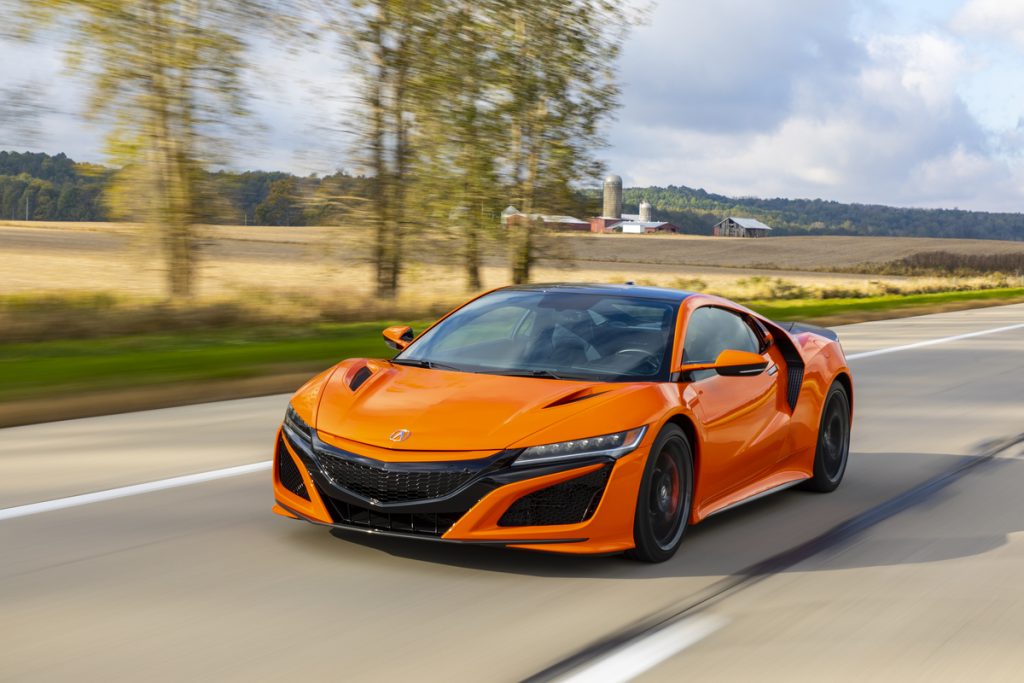
For nearly a decade, the second-generation Acura NSX sat in the awkward corner of the supercar paddock. Technically brilliant, undeniably fast, and engineered with a level of precision that only Honda could deliver — yet the market never quite embraced it the way it embraced its European rivals. Depreciation hit hard, residuals sagged, and enthusiasts who had waited years for a proper NSX successor found themselves oddly unmoved. That story, however, is being rewritten. The NSX has quietly crossed a threshold that transforms it from a cautionary tale into one of the most compelling used supercar propositions on the market today.
The arithmetic is simple and increasingly difficult to ignore. A clean, low-mileage NSX from the 2017 to 2022 production run now trades for a fraction of its original six-figure sticker, often landing in territory occupied by well-optioned sports coupes rather than genuine mid-engine exotics. For that money, you get a hybridised twin-turbo V6 making 573 horsepower in later form, a nine-speed dual-clutch transmission, torque-vectoring front motors, and a chassis honed with input from drivers who actually understood the assignment. The NSX was never a numbers-chasing dragstrip weapon; it was a scalpel, and time has been kind to that philosophy.
Racing Pedigree and a Brand in Transition
What makes the current moment particularly interesting is the context surrounding it. Acura has been making headlines for its motorsport programme, with Tom Blomqvist putting the Meyer Shank Racing Acura on pole at Indianapolis and the brand chasing one more hurrah in IMSA competition. That racing presence matters. It reminds buyers that underneath the restrained styling and everyday usability, the NSX carries genuine competition DNA. Meanwhile, Acura's design language is pivoting toward the future with the NEXERA Vision concept debuting at Monterey Car Week — a signal that the brand is entering a new chapter. Historically, moments of transition are precisely when the previous generation's halo car becomes collectible, or at the very least, appreciated.
The Last Truly Ambitious Acura
There is also the matter of what the NSX represents within Acura's broader lineup. The brand has just announced it will drop the MDX Type S performance trim after 2026, pausing production over emissions uncertainty. The Integra Type S continues to earn praise for its numbers and its character, but it is a front-wheel-drive compact, not a mid-engine flagship. As Acura's performance portfolio narrows, the NSX stands alone as the most ambitious machine the brand has ever put into series production. Scarcity of ambition, paradoxically, enhances the value of the ambitious.
Honda Reliability in an Exotic Suit
Ownership reality is another factor that tilts the scales. The NSX is a Honda at heart, which means maintenance intervals are sane, parts availability is robust, and the dreaded supercar tax — the one that turns a routine service into a second mortgage — largely does not apply. Independent specialists have grown comfortable with the platform, and the hybrid system has proven durable in real-world use. You are not buying a fragile artifact; you are buying a Honda-engineered exotic that happens to look and drive like something far more expensive.
The buying window will not stay open indefinitely. As values firm and the supply of well-kept examples shrinks, the NSX will drift toward the pricing tier it arguably deserved all along. For now, though, it remains a rare thing: a genuine mid-engine supercar with hybrid technology, racing pedigree, and everyday reliability, available for the price of something far more ordinary. The Acura NSX finally makes sense as a used purchase — not because it changed, but because the market finally caught up to what it always was.